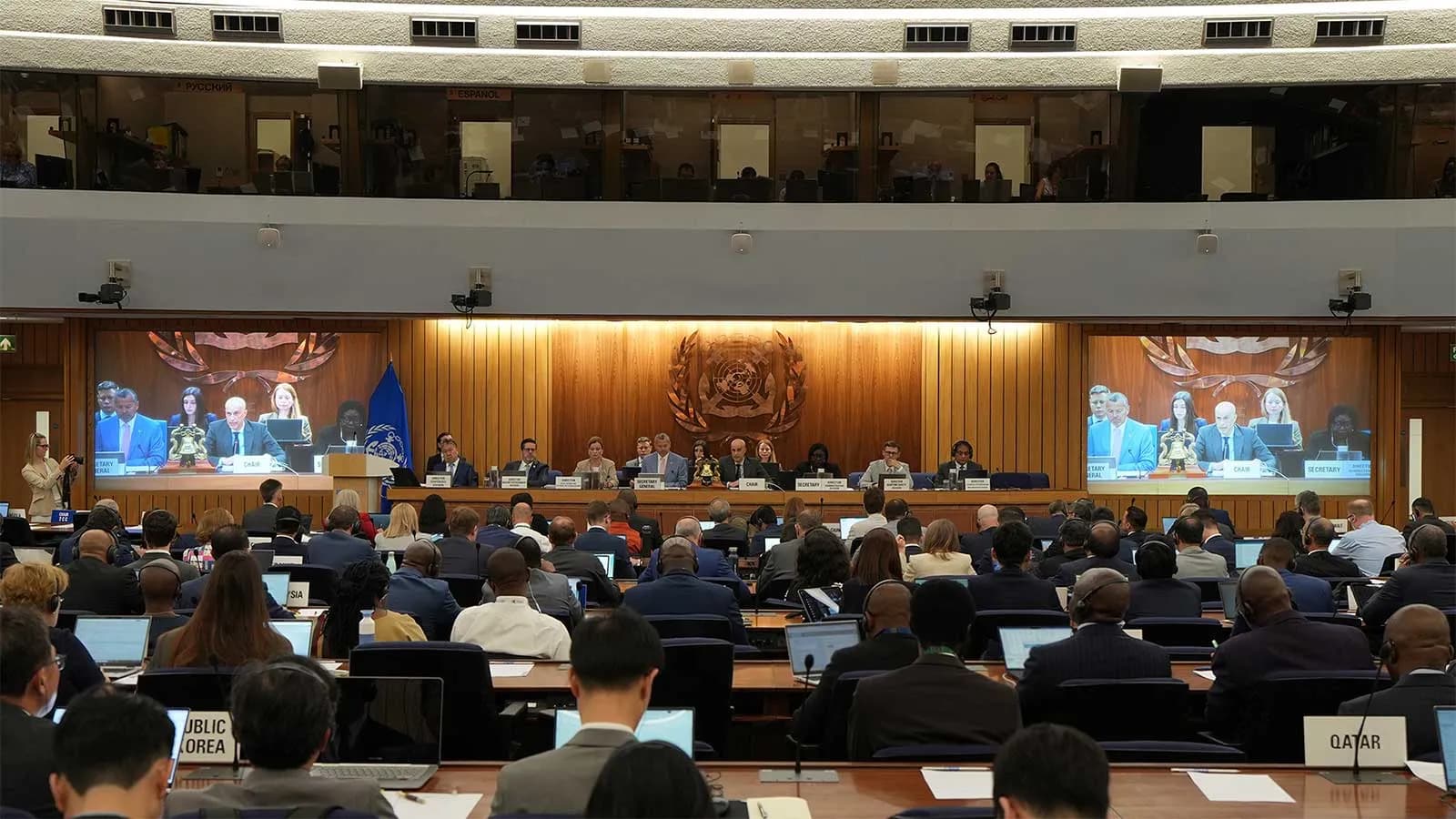
The International Maritime Organization has centered the commemoration of World Maritime Day on the risks faced by crews working on routes affected by conflicts, geopolitical tensions, and maritime insecurity. The day, celebrated every June 25, acknowledges the essential role of seafarers in international trade and the increasing exposure of these professionals in strategic areas for global maritime transport.
Under the slogan 'Transporting global trade. Taking on the risks,' this year's campaign draws attention to the situation of professionals on board in regions such as the Strait of Hormuz, the Black Sea, the Sea of Azov, and the Red Sea. These scenarios have increased the operational complexity of commercial navigation and have placed crews in front of risks that go beyond the ordinary activity of maritime transport.
The IMO has reminded that nearly 1.8 million men and women work at sea and support an essential part of the global economy. Their work ensures the supply of goods, fuels, food, and basic products, even in contexts of high uncertainty. However, the organization warns that seafarers should not become collateral victims of conflicts in which they are not involved.
The IMO Secretary-General, Arsenio Domínguez, has expressed gratitude to the crews for their contribution to the functioning of the global economy and the daily lives of millions of people. In his message, he indicated that the safety, protection, and well-being of seafarers remain a priority for the international organization.
The campaign has also included the message from the UN Secretary-General, António Guterres, who has warned that when states enter into conflict, seafarers can become trapped in the midst of tension. He noted that recent events in the Strait of Hormuz have left tens of thousands of professionals stranded while working far from their homes to maintain the supply of essential goods.
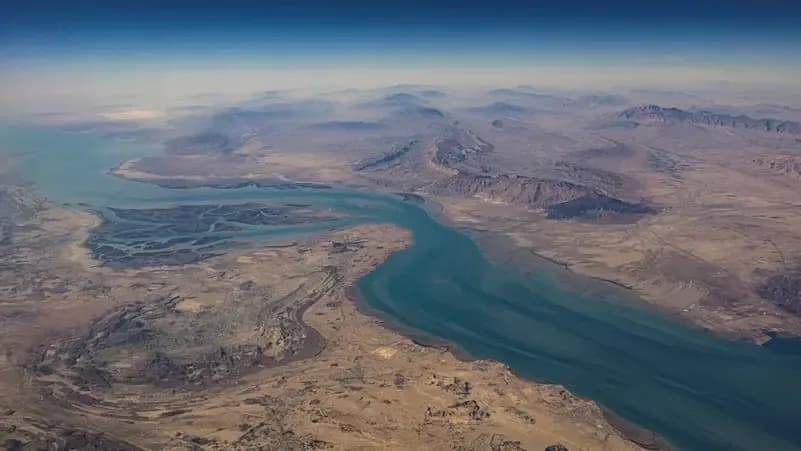
The situation in the Persian Gulf has given a special dimension to this year's commemoration. The IMO works alongside member states and representatives from the maritime industry to evacuate seafarers and vessels trapped in the region. The operation is set against a backdrop of high complexity, marked by the need to ensure safe corridors, coordinate phased departures, and reduce risks for crews and commercial navigation.
The evacuation plan involves the gradual departure of vessels through coordinated groups, with specific instructions for each unit and assigned transit windows. This scheme aims to avoid concentrations of traffic in an area of high operational sensitivity, where maritime safety depends on coordination among coastal states, international organizations, and private sector actors.
The IMO has placed the well-being of crews at the heart of the response. The organization believes that freedom of navigation and continuity of trade must be accompanied by measures that protect those who work on board. Prolonged exposure to conflict zones affects not only the physical safety of seafarers but also their mental health, rest, communication with families, and the possibility of receiving relief under adequate conditions.
World Maritime Day has also served to give visibility to testimonies from crew members who have navigated through high-risk areas. Through personal experiences, seafarers have described the difficulties of navigating in environments affected by conflicts, restrictions, threats to safety, or traffic disruptions. The campaign seeks to ensure that these voices are part of the public and sectoral debate on the protection of crews.
Additionally, the IMO has invited the maritime community, specialized content creators, and the general public to participate in spreading supportive messages. The organization aims to expand social recognition of a profession that, despite its importance to global trade, often remains distant from public attention.
The tensions in Hormuz, the Red Sea, and other critical areas have highlighted the dependence of maritime transport on geopolitical stability. When a route is affected, the consequences reach shipping companies, shippers, ports, logistics chains, and consumers. In this scenario, seafarers are on the front line of exposure, maintaining the operations of vessels that transport essential goods under adverse conditions.
This year's commemoration underscores the need for states, international organizations, and the industry to coordinate responses that ensure protection, assistance, and safe relief operations. The IMO argues that the safety of crews must be a central element in any actions linked to maritime corridors in conflict zones, especially when it comes to routes of strategic relevance for trade and energy supply.
The institutional message of World Maritime Day positions seafarers as essential workers for the global economy, but also as professionals exposed to increasing risks. The campaign insists that the continuity of trade cannot be divorced from the effective protection of those who make it possible from the vessels.