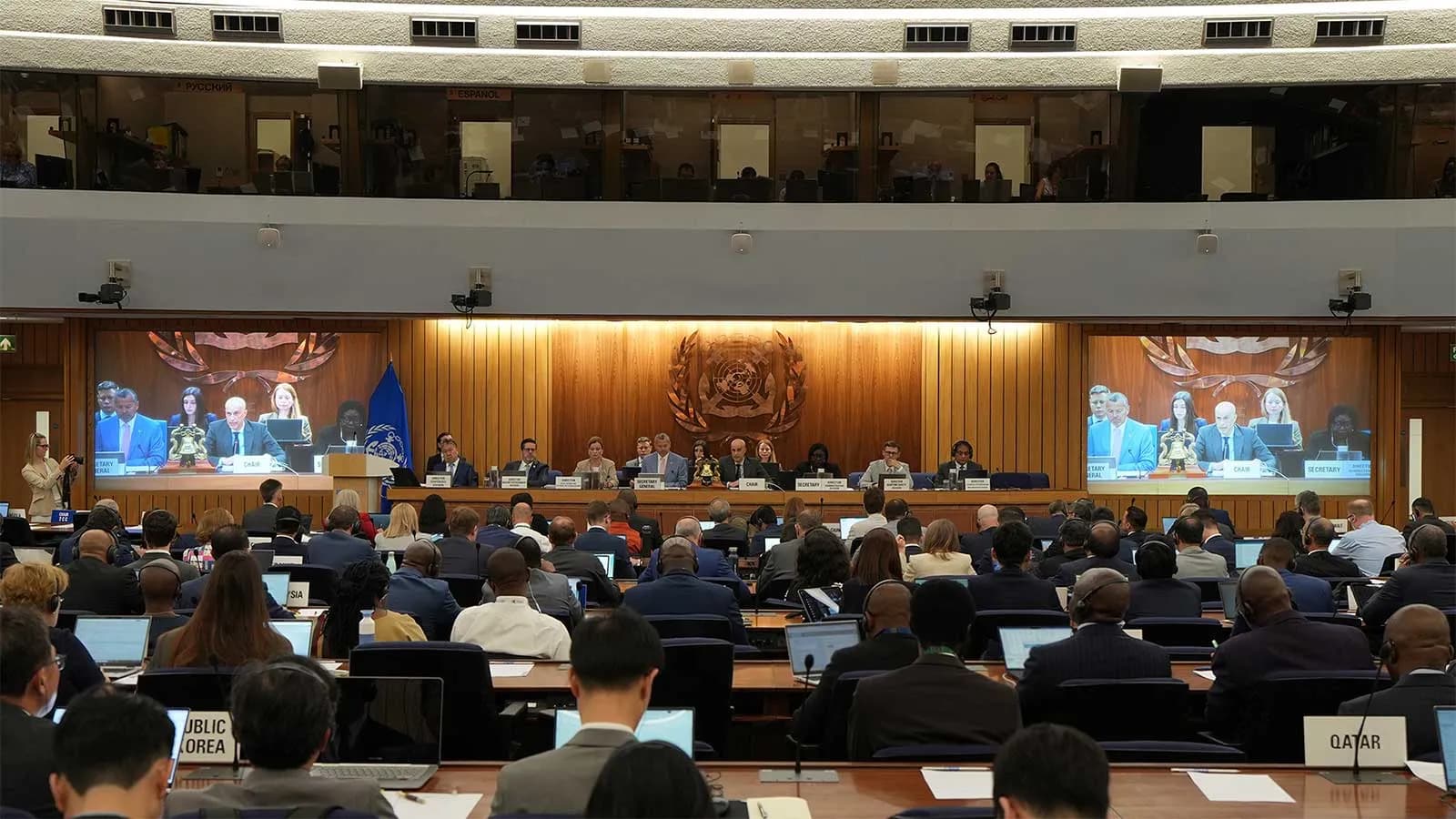
The Council of the International Maritime Organization (IMO) has concluded its 137th session with the approval of a resolution in defense of the rights and freedoms of navigation recognized by international law, as well as the safety of merchant vessels and seafarers operating in strategic maritime routes.
The executive body of the IMO has stated that the right of passage in transit through straits used for international navigation cannot be threatened, obstructed, denied, hindered, undermined, or suspended. The resolution comes in a context of growing concern for maritime transport safety in certain regions and the consequences that geopolitical tensions may have on crews, trade, and international supply chains.
The Council has also reiterated that any measures adopted by the coastal States to regulate traffic in these routes must comply with the IMO's regulations and the provisions of the International Convention for the Safety of Life at Sea (SOLAS). This framework regulates aspects related to vessel safety, navigation systems, accident prevention, and the protection of embarked persons.
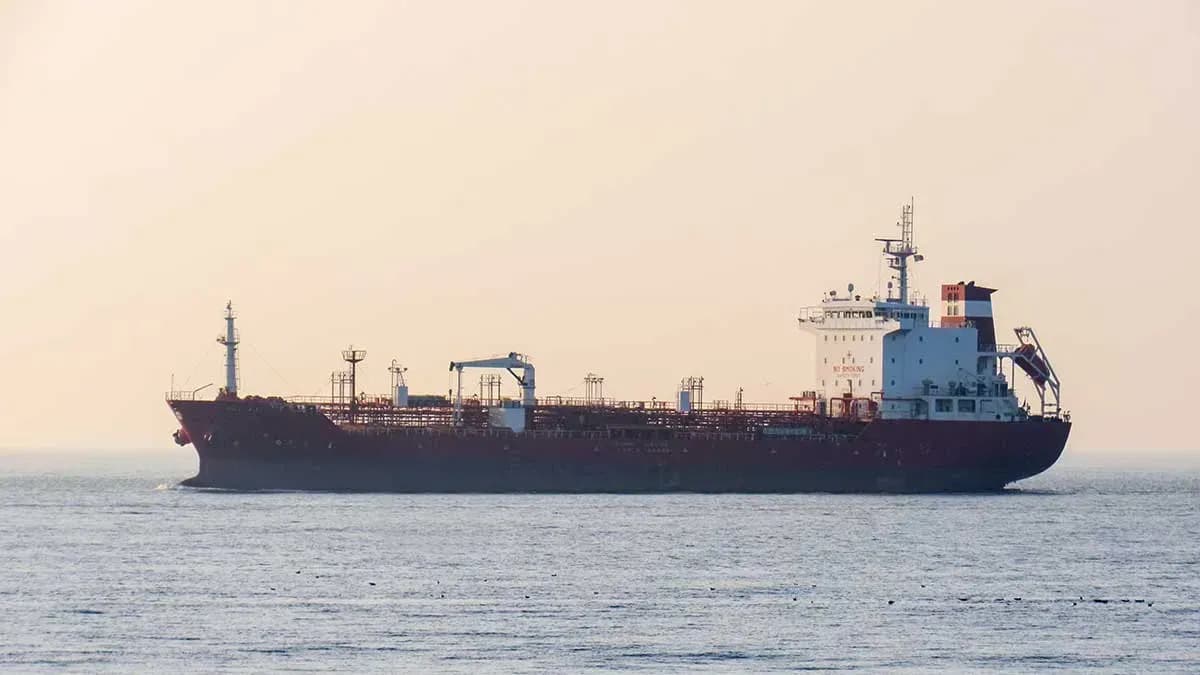
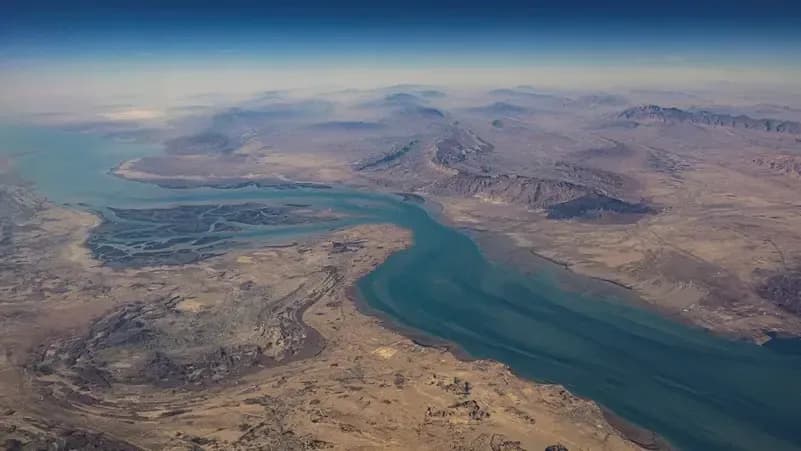
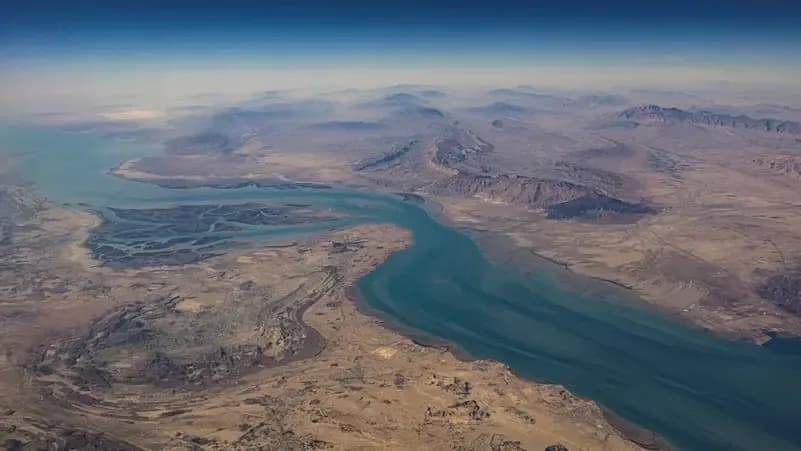
A central part of the session was dedicated to the situation of maritime transport in the Strait of Hormuz and its surroundings. The Council condemned attacks against registered civilian merchant vessels in the area and called for a reduction of tensions in the Middle East, given the risk these incidents pose to commercial navigation and the integrity of crews.
The IMO indicated that any agreement between coastal States must ensure the right of passage in transit for all vessels, without discrimination and without impediments, through the internationally recognized traffic separation system. This device, adopted by the Organization in 1968, establishes the circulation routes used by vessels crossing the strait with the aim of regulating traffic and reducing the risk of collisions.
The Council also recalled that transit through the Strait of Hormuz must remain free of tolls and fees, in accordance with international law and applicable treaties. It also requested that the Secretary-General of the IMO explore various options to improve maritime traffic safety and maintain contacts with coastal States, other member States, and industry representatives.
This cooperation must facilitate a coordinated and sustainable return to unobstructed navigation through one of the world's main energy and commercial routes. The organization deems it necessary that actions consider both vessel safety and the working conditions and protection of seafarers.
During the session, Indonesia, Malaysia, and Singapore presented their experience in jointly managing the Straits of Malacca and Singapore through a cooperation mechanism that brings together the governments of the coastal States, user countries, and maritime industry representatives.
The system allows for sharing responsibilities and resources to maintain navigational aids, enhance safety, and address the needs arising from the high volume of traffic passing through both straits. The Council invited member States and other stakeholders to make economic or in-kind contributions to the Navigation Aids Fund and to the IMO Trust Fund for the Straits of Malacca and Singapore.
Among the decisions taken at the 137th session, the approval of the annual report of the Organization for 2025 is also included. The document highlights the main activities carried out by the IMO during the year and the implementation of its programs related to maritime safety, environmental protection, technical cooperation, and compliance with international treaties.
In the financial area, the prorated contributions of member States continued to be the main source of funding for the Organization. The collection rate reached 99.10% in 2025, one of the highest percentages within the United Nations system.
The total income of the IMO increased by 2.97% during the year, rising to £77.96 million. This growth was associated with assigned contributions and the increase in income from the sale of publications and cafeteria services at the headquarters.
The Council also approved an update of the Risk Management Policy and a new annex dedicated to strategic fraud risk management. The document establishes procedures for identifying and managing potential irregularities within the Organization and maintains a zero-tolerance policy towards fraud and corruption.
The session also addressed the IMO Member States Audit Plan (IMSAS), the first audit cycle of which has concluded. Since inspections became mandatory in February 2016, 168 audits have been conducted covering 165 member States and three associate members.
Of the five audits planned for 2026, those for Belarus, Haiti, and Mozambique have already been completed. Work relating to Eritrea and Yemen continues according to the established schedule. The Council encouraged audited countries to authorize the publication of their reports, including the final document, to facilitate public access to the results.
The IMO also expanded the list of non-governmental organizations with consultative status. The Council granted this recognition to the International Association of Marine Electric Propulsion, the Mærsk Mc-Kinney Møller Center for Zero Carbon Maritime Transport, and SEA-LNG.
The Ocean Foundation was granted provisional consultative entity status for a maximum period of two years. Once that period is over, the Council will review its activity and contribution to the Organization's work before deciding on its continuation.
In relation to World Maritime Day, the Council accepted the offer from the Government of Qatar to organize the parallel event associated with this celebration in 2028. The initiative takes place each year in a different member State to bring the objectives of the IMO to a wider international audience.
World Maritime Day 2026 will be celebrated on Thursday, September 24, at the Organization's headquarters under the theme 'From Policy to Practice: Enhancing Maritime Excellence'. The parallel event will take place in Busan, Republic of Korea, on October 26 and 27. The Philippines will host the edition for 2027.
The award ceremony for the IMO Awards 2026 is scheduled for December 14 in London. The Council decided to posthumously award the Exceptional Bravery at Sea Award to Adrian Willyson Brask, nominated by the Government of Norway and by the International Federation of Shipmasters' Associations.
Two other awardees will receive certificates of recognition for their acts of bravery, while eleven individuals will be honored with letters of recognition.
The Council also selected Jeffrey G. Lantz, nominated by the Government of the United States, as the winner of the International Maritime Prize 2025, intended to recognize significant contributions to the goals and work of the IMO. Rear Admiral Peter Brady will receive a letter of recognition for his work in developing the maritime sector of Jamaica and the Caribbean, as well as for his collaboration with the Organization.