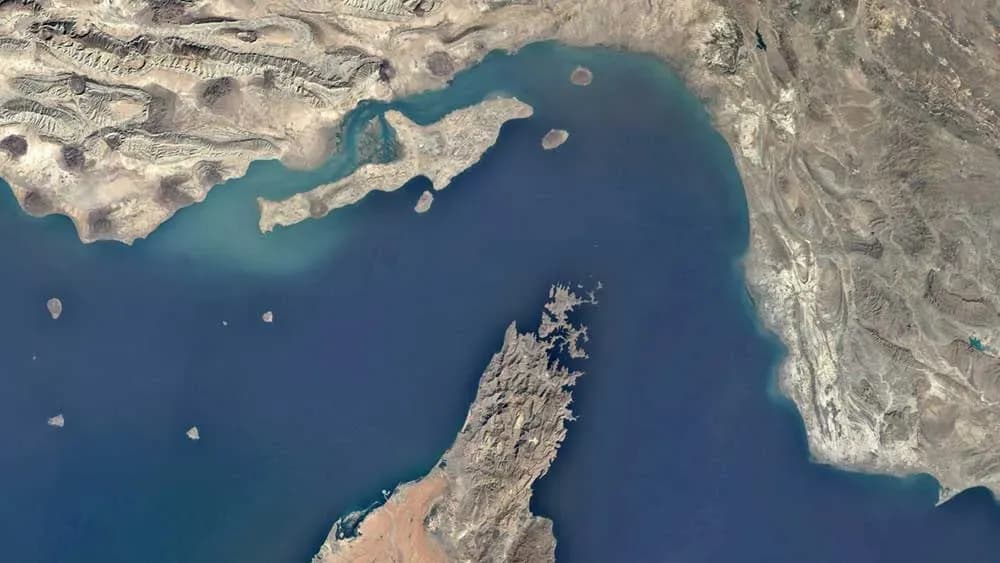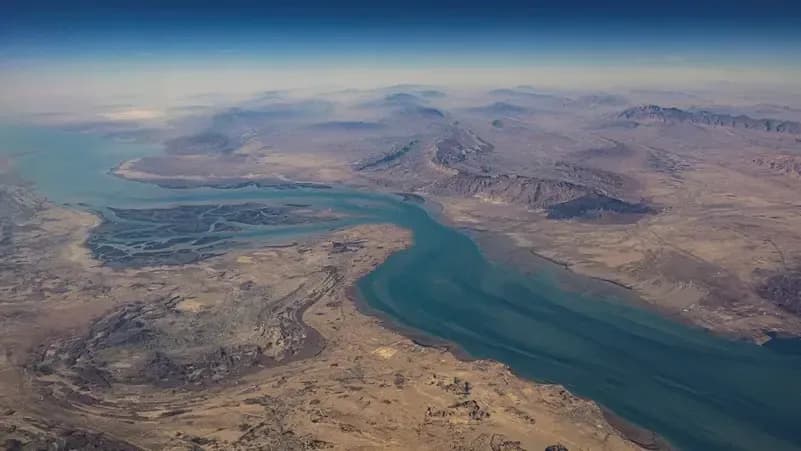
A day after the two-week truce announced between the United States and Iran, the situation in the Strait of Hormuz remains confusing, with contradictory reports on whether the maritime passage is effectively open to commercial navigation. The U.S. administration claims that the strait is operational and that traffic has increased, while Iranian media reported the suspension of tanker transit following Israel's large-scale attack on Lebanon, an action that Tehran considers incompatible with the agreed ceasefire.
The Iranian agency Fars reported that Iran had allowed the transit of two tankers in the early hours of the day, but that the passage of such vessels was suspended after Israeli attacks on multiple targets in Beirut, the Bekaa Valley, and southern Lebanon. Agencies Tasnim and Press TV indicated that Iran could abandon the ceasefire if bombings on Lebanon continued. Vessel tracking services detected a tanker, identified as the Auroura, flying the Panamanian flag, which approached the strait and made a 180-degree turn before heading toward Oman.
According to Fars, only three vessels were authorized to cross the strait on April 8, two Iranian tankers and one Chinese tanker, compared to the ten transits that U.S. sources had announced. Tracking services confirmed only two or three vessels, all of them bulk carriers.
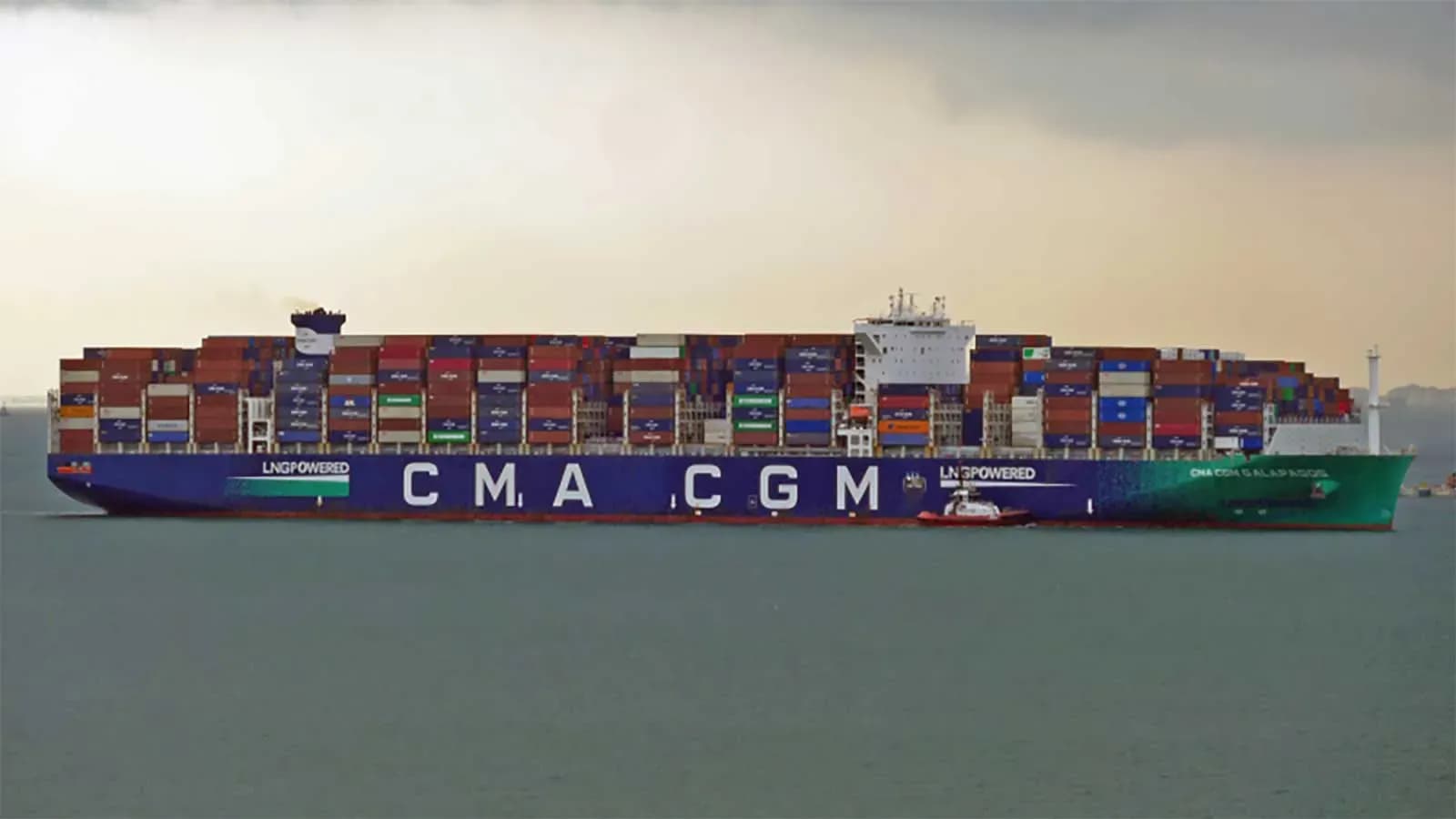
In light of this scenario, the world's major shipping companies are maintaining a position of extreme caution. Hapag-Lloyd has noted that progress in negotiations between the United States and Iran is a positive sign, but the situation in the strait and its surroundings remains uncertain, and it is unclear whether the announced opening will hold. The German shipping company has indicated that it will continue to avoid transit through the Strait of Hormuz for the moment and will carefully assess when safe passage can be resumed.