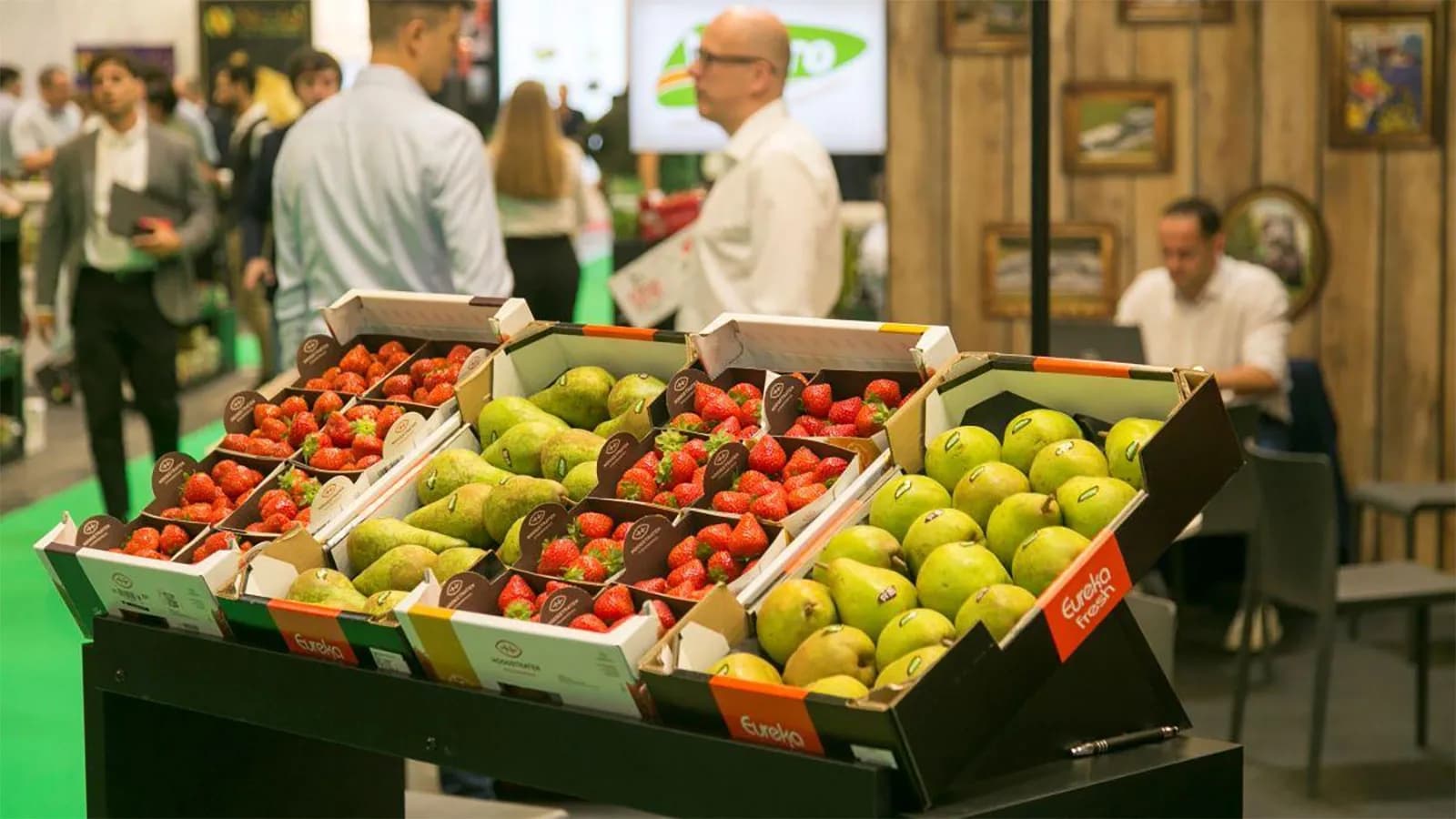
TTI Algeciras participates in Fruit Attraction 2026 as one of the 24 companies from the port community accompanying the Port Authority of the Bay of Algeciras (APBA) at IFEMA Madrid. The terminal includes in the representation of Algeciras an infrastructure directly linked to the international traffic of fruits and vegetables: 1,518 electrical connections for refrigerated containers within its facilities in Isla Verde Exterior.
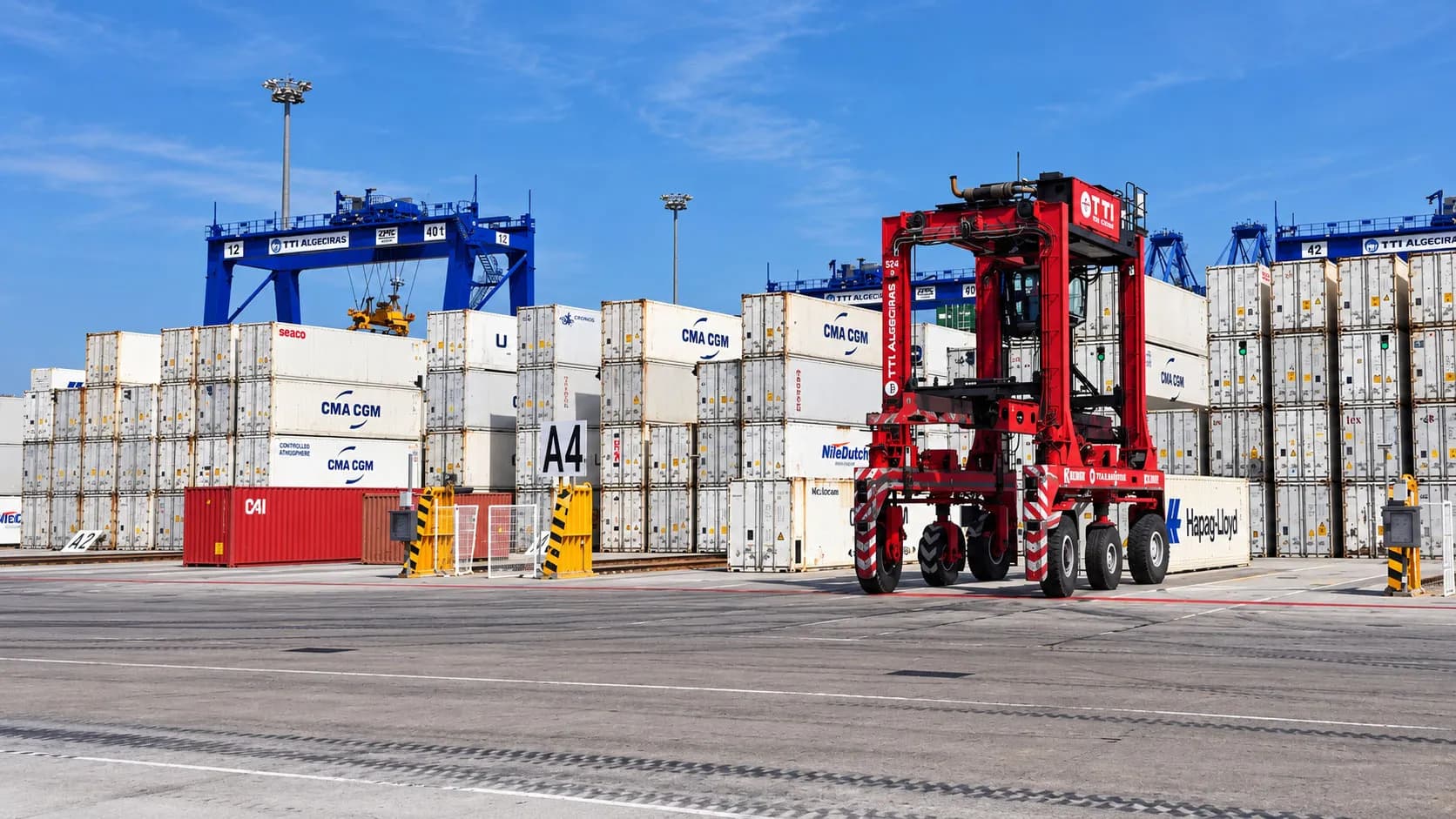
This capacity allows keeping reefer equipment connected during its stay in the terminal, both in import and export operations as well as in transshipments to other maritime services. TTI allows storing refrigerated containers in four heights and has a yard with an area of 300,119 square meters.
The current 1,518 connections are the result of successive expansions of the cold infrastructure. The terminal had 1,024 connections in 2018, expanded the capacity to 1,144 in 2020, and reached 1,518 in April 2024, according to the timeline published by the company itself.
This infrastructure allows containers to maintain electrical supply while being in the yard before continuing their journey. For fruits, vegetables, and other temperature-sensitive foods, the connection during the stay in the terminal is part of the continuity of the cold chain between maritime transport and subsequent phases of the logistics operation.
TTI Algeciras currently has a design annual capacity of 1.6 million TEUs and a yard with a maximum capacity for 28,647 TEUs. The terminal also has direct rail access, which allows linking maritime operations with land services without relying solely on road transport.
Maritime connectivity is another of the components of its activity. TTI maintains deep sea and feeder services that link Algeciras with over a hundred ports, through routes that connect Europe with Asia, the Mediterranean, and other international markets. This network facilitates import, export, and transshipment operations of containerized cargo, including refrigerated goods.
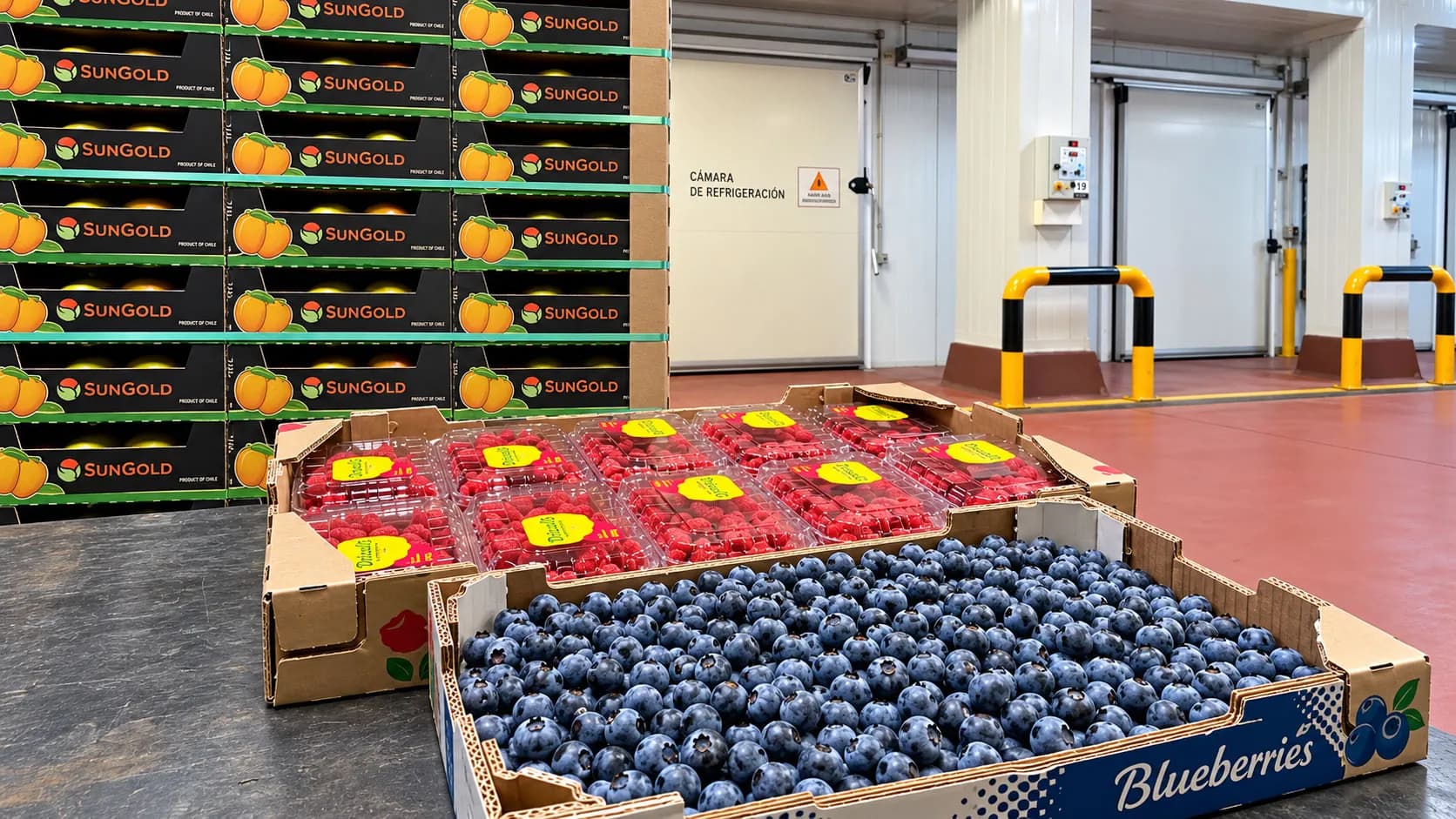
Within the horticultural traffic, this capacity relates to the flows of fruit that arrive in Algeciras from transoceanic markets in reefer containers. Costa Rica and Peru are among the main origins of refrigerated cargo currently using the port, while pineapple, avocado, and banana are among the products with the greatest presence in imports.
TTI's connections are part of the more than 5,500 reefer plugs that the APBA accounts for collectively in the two container terminals of the Port of Algeciras. This infrastructure is combined with cold facilities and logistical areas of the port environment to attend to the different phases of storage, handling, and distribution of perishable products.
Participation in Fruit Attraction also coincides with a terminal expansion process. TTI Algeciras will incorporate an additional 15.9 hectares corresponding to Phase B of Isla Verde Exterior through a project that contemplates an investment of 150 million euros. The action will increase annual capacity by 500,000 TEUs, from the current 1.6 million to 2.1 million TEUs in 2028.
This expansion will be accompanied by a renewal of technology management systems. TTI has contracted CyberLogitec for the implementation of the OPUS Terminal platform and a digital twin solution within project B1. The new system will integrate the management of vessels, yard, gates, and equipment into a single platform, while the digital twin will allow visualizing the terminal's functioning and simulating different operational scenarios.
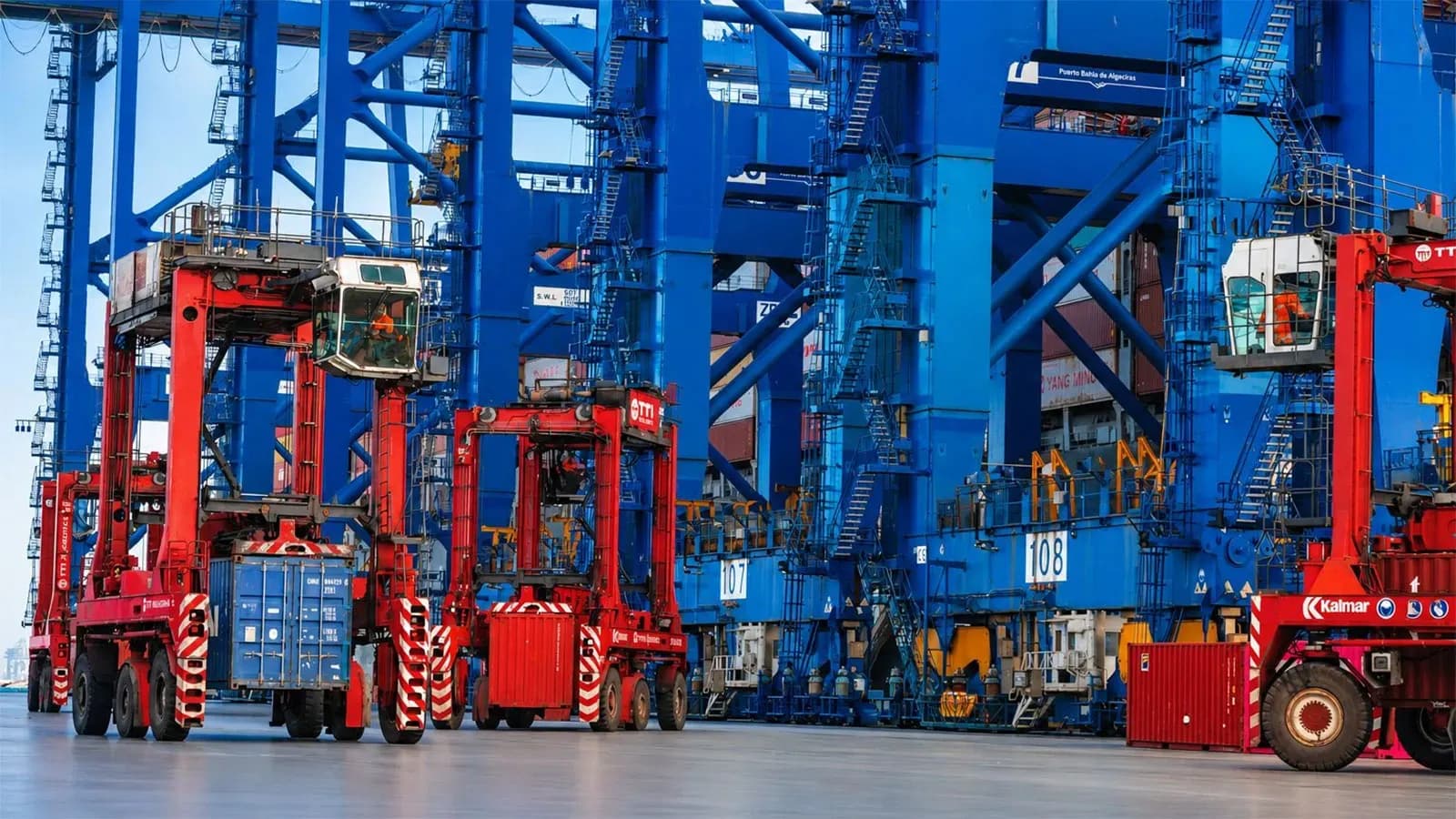
The terminal currently maintains a semi-automated operation model, with 32 automatic yard cranes, 23 shuttle carriers and eight dock cranes, five of which are adapted to Malaccamax dimensions. Its shareholding is integrated by HMM, with 50% plus one share, and Isla Verde Algeciras Terminal Holding, with 50% minus one share and currently owned by CMA Terminals Espagne.
At Fruit Attraction 2026, TTI Algeciras's participation thus focuses on the infrastructure necessary to receive, keep connected, and channel refrigerated containers within the international chains of fruits and vegetables that use the Port of Algeciras.