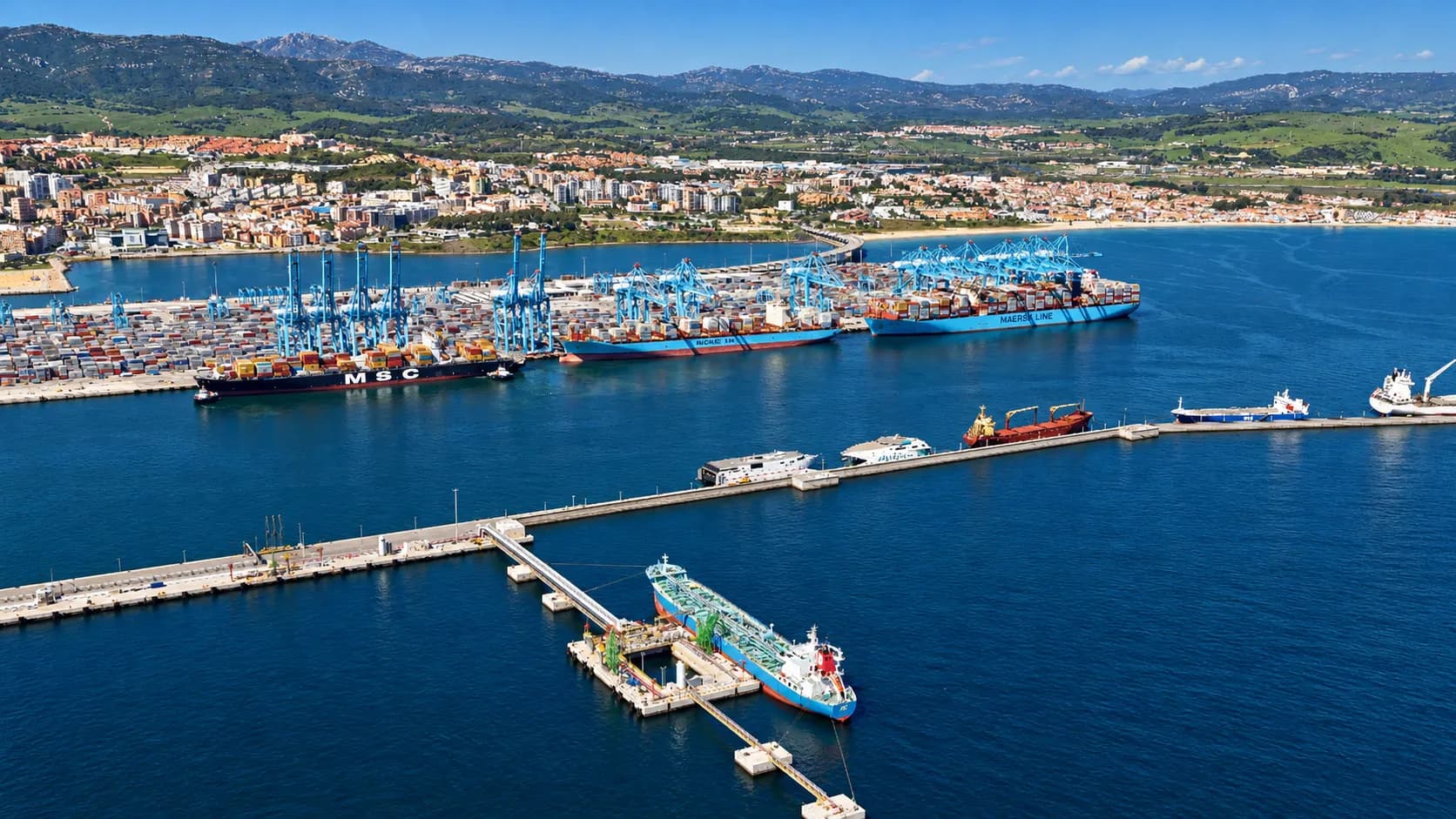
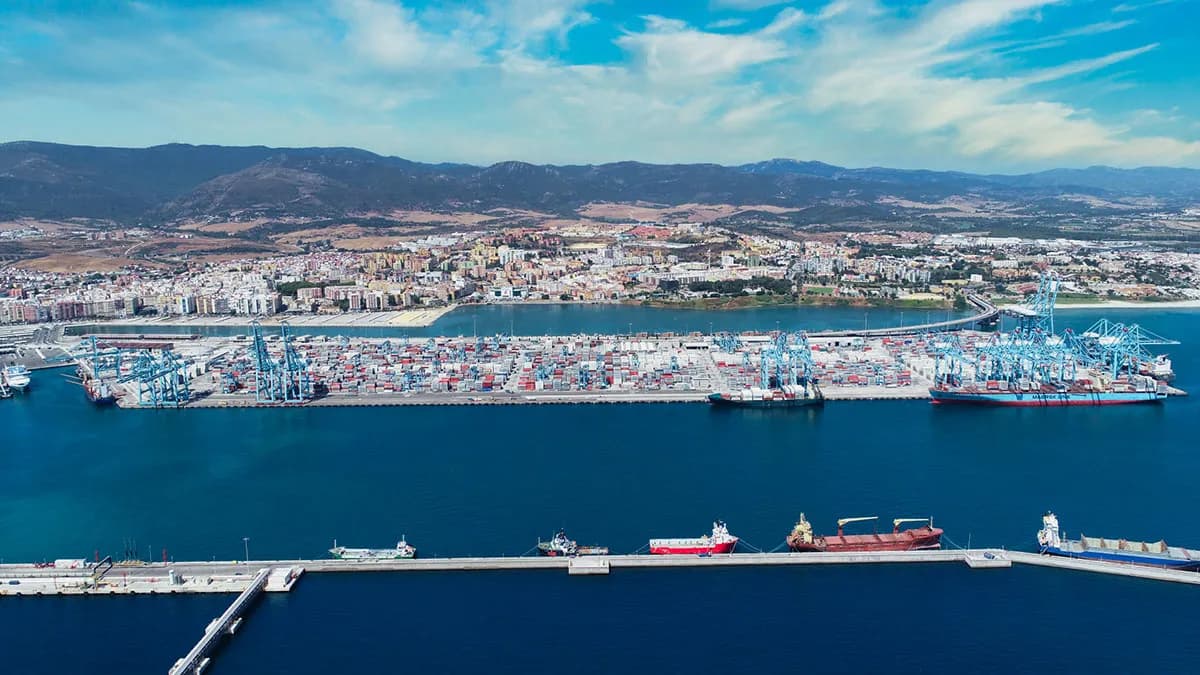
The Port Authority of the Bay of Algeciras (APBA) has put out to tender a contract for the supply and installation of 18 new marine regeneration structures at the ports of Algeciras and Tarifa, with a base budget of 80,000 euros, excluding VAT, and a three-year execution period. The project also includes scientific monitoring of the devices, monitoring of the existing structures in Algeciras, and the development of digital tools to assess how biodiversity is evolving in both port environments.
The tender, published on October 16 on the Public Sector Procurement Platform, establishes an open procedure to award work that includes analysis of the locations, the design and manufacture of the devices, their underwater installation, and the implementation of an environmental monitoring program. Interested companies may submit their bids until November 16 at 2:00 p.m.
According to the technical specifications, the new structures must replicate certain functional characteristics of natural reefs, using rough surfaces, cavities, and spaces that encourage marine organisms to settle and provide shelter for different species. The materials used must be natural, biomimetic, or environmentally neutral, while the anchoring systems must be adapted to the hydrodynamic conditions of the two ports.
As a guideline, the documentation specifies approximate dimensions of between one and 1.5 meters in height and one meter in width per unit, although these characteristics may be modified depending on each location. Installation will be carried out by professional diving teams, responsible for positioning and anchoring the devices and checking their stability.
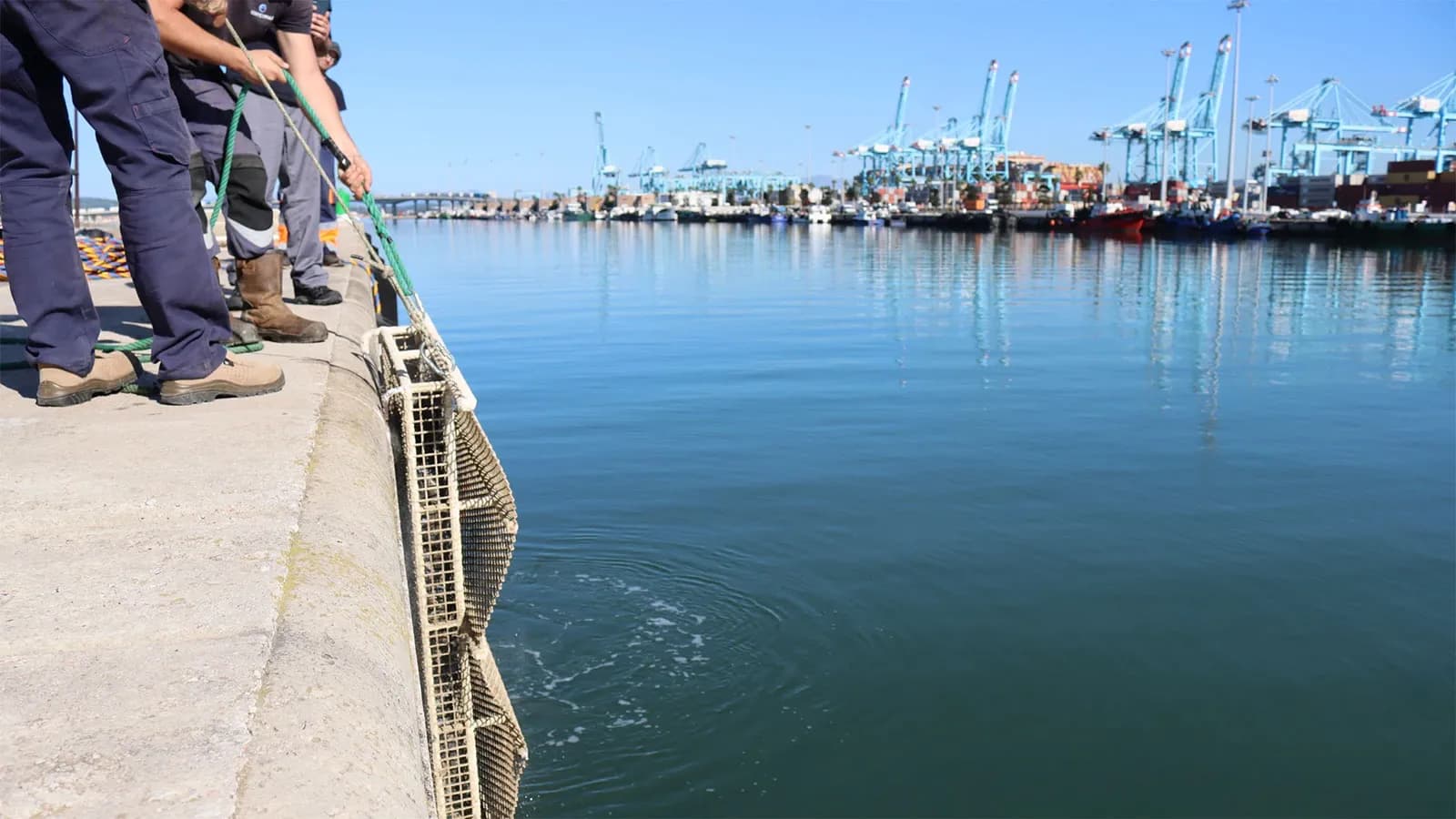
The initiative builds on a pilot project carried out by the APBA in December 2024, when six biomimetic micro-reefs were installed at the Llano Amarillo quay, in collaboration with the Spanish company Ocean Ecostructures. Those units, known as Life Boosting Units (LBUs), were fixed to the quay’s vertical wall by the local company Conteymar and monitored using underwater technology and image-analysis systems.
As El Estrecho Digital reported in September 2025, the first monitoring studies for that project identified 47 species associated with the structures, with an 81% increase in biological richness compared with initial conditions. The organisms observed included various invertebrate communities and fish species such as comber, white seabream, and striped seabream.
The explanatory report for the new tender cites these preliminary results as the basis for the decision to extend the work to the Port of Tarifa and increase the number of devices in Algeciras. The contract will include both the six previously installed structures and the 18 new planned units in the monitoring program.
The monitoring program must include an initial assessment after installation and at least two scientific surveys per year during the three-year term of the contract. The work will analyze the biomass generated, the number and types of species present, the degree of surface colonization, and the possible presence of invasive species, as well as physicochemical parameters such as temperature, turbidity, chlorophyll concentration, and dissolved oxygen.
The successful bidder must also prepare an Environmental Monitoring Plan that includes annual analyses of pollutants and sediments, as well as special inspections after significant storms. These checks will include the existing structures in the northern sector of Llano Amarillo.
The project also includes a digital platform for storing and consulting monitoring results. The system must make it possible to locate each structure geographically, access historical series of environmental indicators, and provide a public section with informational content. The contract includes the production of audiovisual content, signs, and informational materials, as well as the organization of launch events in Algeciras and Tarifa.
The initial period set for supply and installation is four months, while monitoring, environmental oversight, and outreach activities will continue for the remainder of the contract, which does not provide for extensions. The budget allocation is 40,000 euros for the first year and 20,000 euros for each of the following two years, excluding VAT.
The contract will be awarded based on financial criteria, accounting for 60% of the score, and technical criteria, accounting for the remaining 40%. The latter will assess the quality of the proposals, the characteristics of the solutions, staff experience, monitoring and environmental oversight plans, and the outreach activities proposed.