Logistika 360 participates in Fruit Attraction 2026 as one of the 24 companies from the port community accompanying the Port Authority of the Bay of Algeciras (APBA) at IFEMA Madrid. Its presence brings a different activity to the Algecireña representation than freight forwarders, customs agents, or refrigerated warehouses: the stowage and physical movement of cargo units within the port environment.
The company specializes in Ro-Ro operations at the Port of Algeciras and declares more than fifteen years of experience related to this type of work. Its activities include loading and unloading vehicles, semi-trailers, machinery, and other wheeled units, coordinating maneuvers between the dock, ramp, and hold.
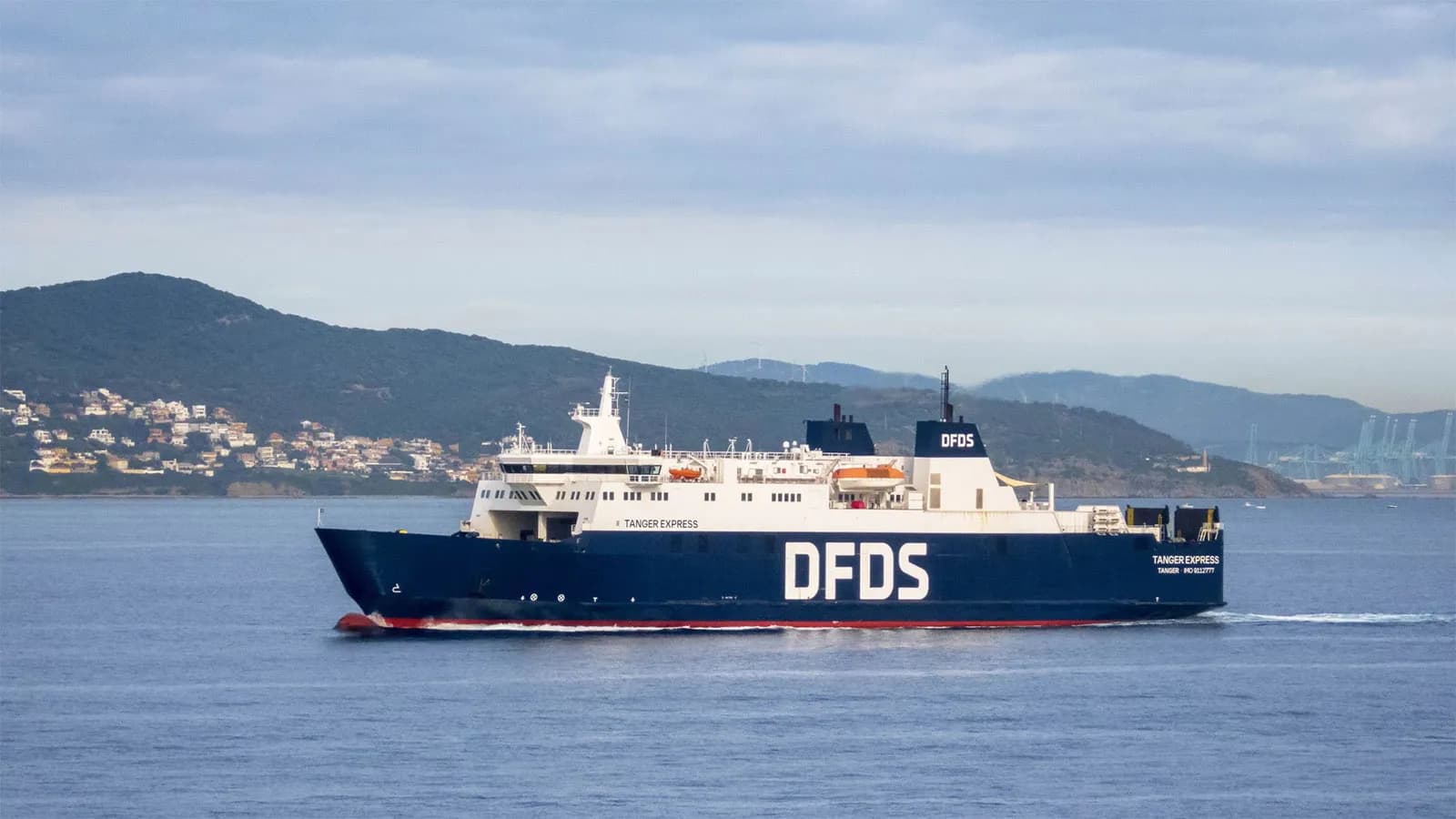
This profile has a direct application in the fruit and vegetable flows that traverse the Strait of Gibraltar. A part of the fruits and vegetables coming from Morocco travels in refrigerated trucks or semi-trailers that board Ro-Ro services to Algeciras and subsequently continue by road to various markets in Spain and Europe.
In these operations, stowage is part of the link between the land segment developed in Morocco, the maritime crossing, and the subsequent continuity by road from Algeciras. Logistika 360 organizes the stowage and unstowage of wheeled units and the associated movements of the operation, a task that requires coordinating the driving teams, the dock, the ship's ramps, and the hold areas.
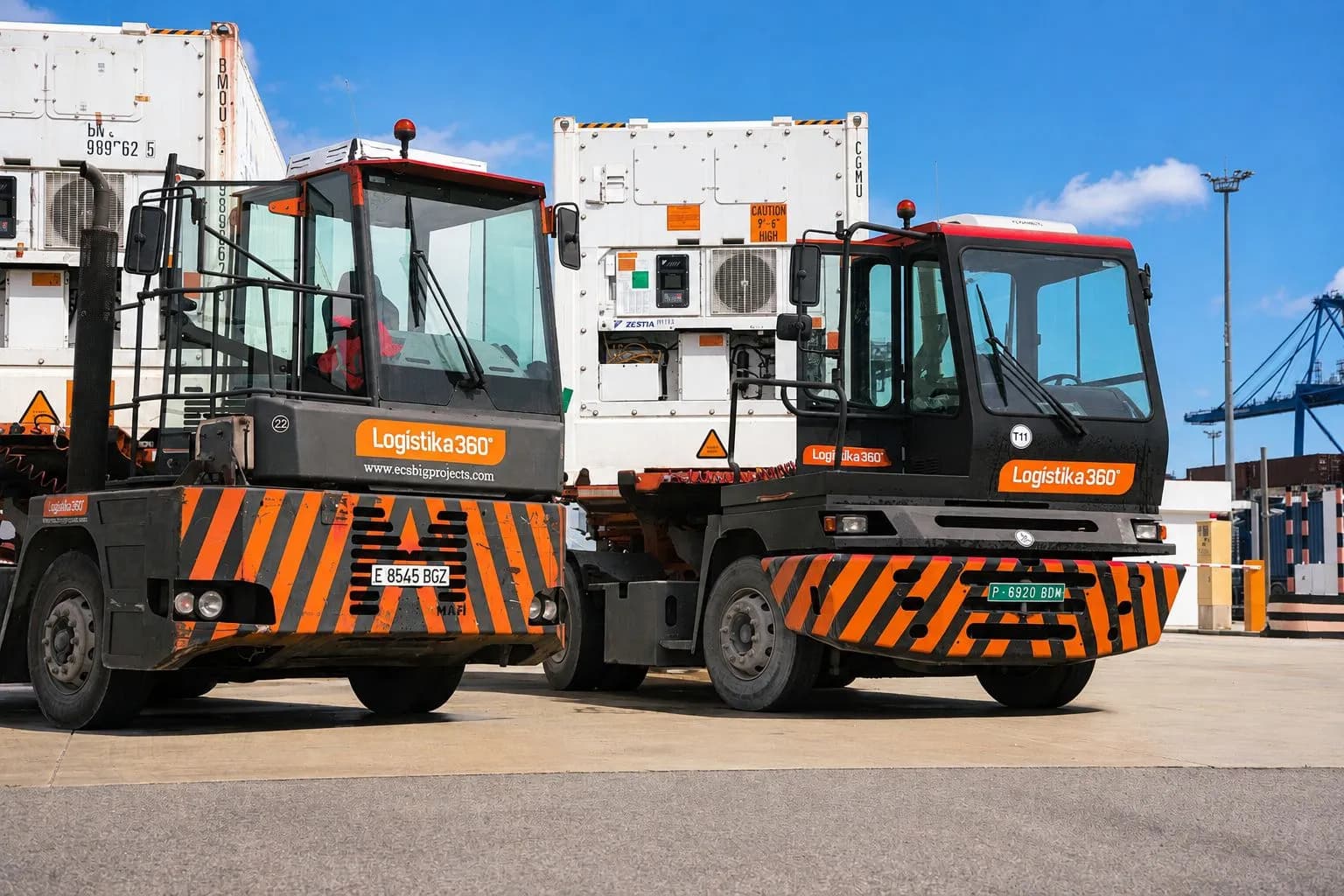
To this specialization, horizontal transport is added. The company offers movements of goods and equipment within port and industrial facilities and in short-distance routes. This activity allows displacing units between different operational areas without the goods necessarily having to leave the logistics environment in which the operation takes place.
For perishable traffic, horizontal transport can be part of operations in which a semi-trailer, container, or cargo needs to be moved between different points of the facility before continuing its itinerary. The company also includes food and pharmaceutical products among the sectors for which it designs specific transport and port coordination solutions.
Logistika 360 expands this activity with land, maritime, and air transport services, as well as operations for tank containers, containers, large projects, and special cargo. Its catalog is aimed, therefore, at both internal movements of the port and operations that require connecting that work with other transport segments.
The company has also participated in operations related to temperature-controlled food cargo. In 2020, it managed at Algeciras the loading of 1,600 tons of frozen meat from Extremadura and Portugal destined for Matadi, in the Democratic Republic of the Congo. The cargo, coming from a refrigerated terminal, was palletized and loaded in the hold of the ship Wild Peony at Isla Verde Interior.
During 2026, Logistika 360 has also incorporated into its activity an experience related to the decarbonization of port operations. On April 28, real-condition tests began at the Port of Algeciras with the H2Tractor developed by EVO, a tractor head powered by hydrogen fuel cell that was integrated into the daily operations of the company to evaluate its performance in port work.
The tests allow analyzing the behavior of this type of vehicle in real horizontal transport tasks, precisely one of the areas of specialization of Logistika 360. The project evaluates parameters related to its performance and adaptation to the needs of the operations carried out within the port.
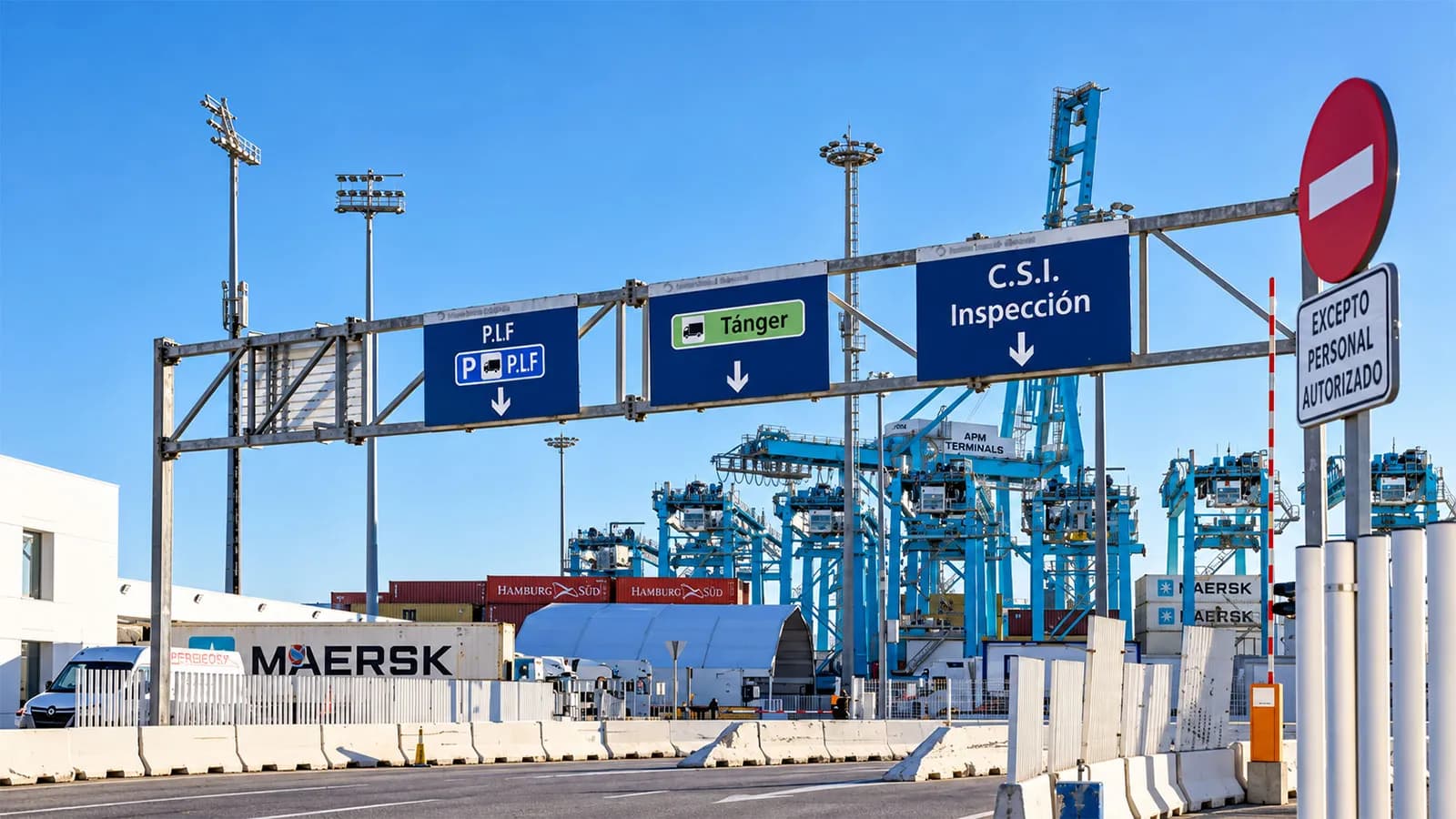
At Fruit Attraction 2026, this activity is integrated into a logistics chain in which the Port of Algeciras combines Ro-Ro traffic of the Strait with imports and exports using refrigerated containers. The APBA presents in Madrid more than 5,500 reefer connections at its terminals and a capacity exceeding 30,000 pallets in refrigerated facilities and logistics areas of the port environment.
Within that network, Logistika 360 primarily occupies the operational segment on land: stowage and unstowage of wheeled cargo, horizontal movements, and port coordination of the units that use Algeciras to subsequently continue their maritime or land journey.