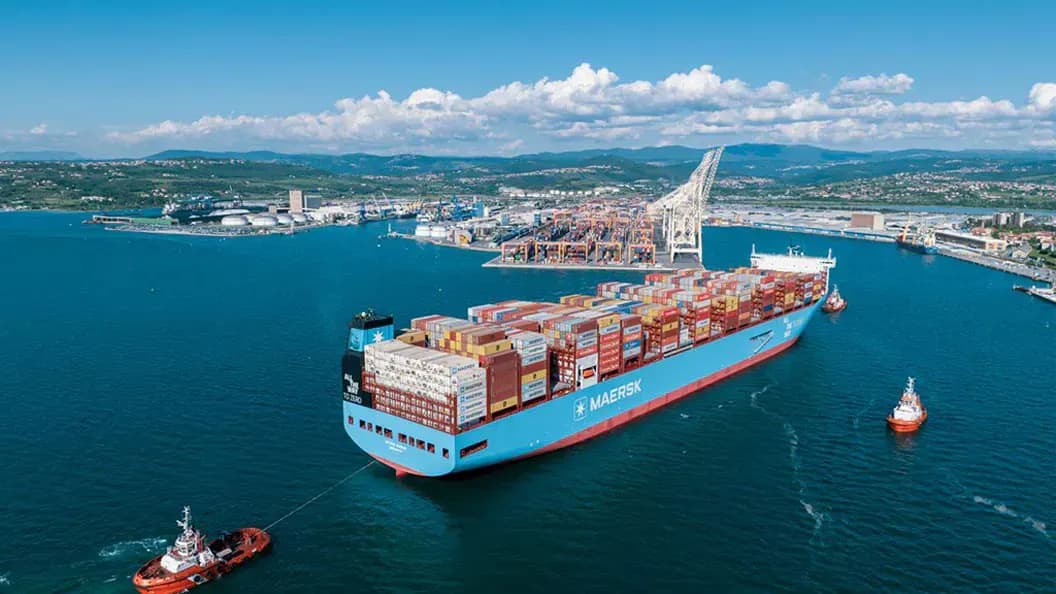
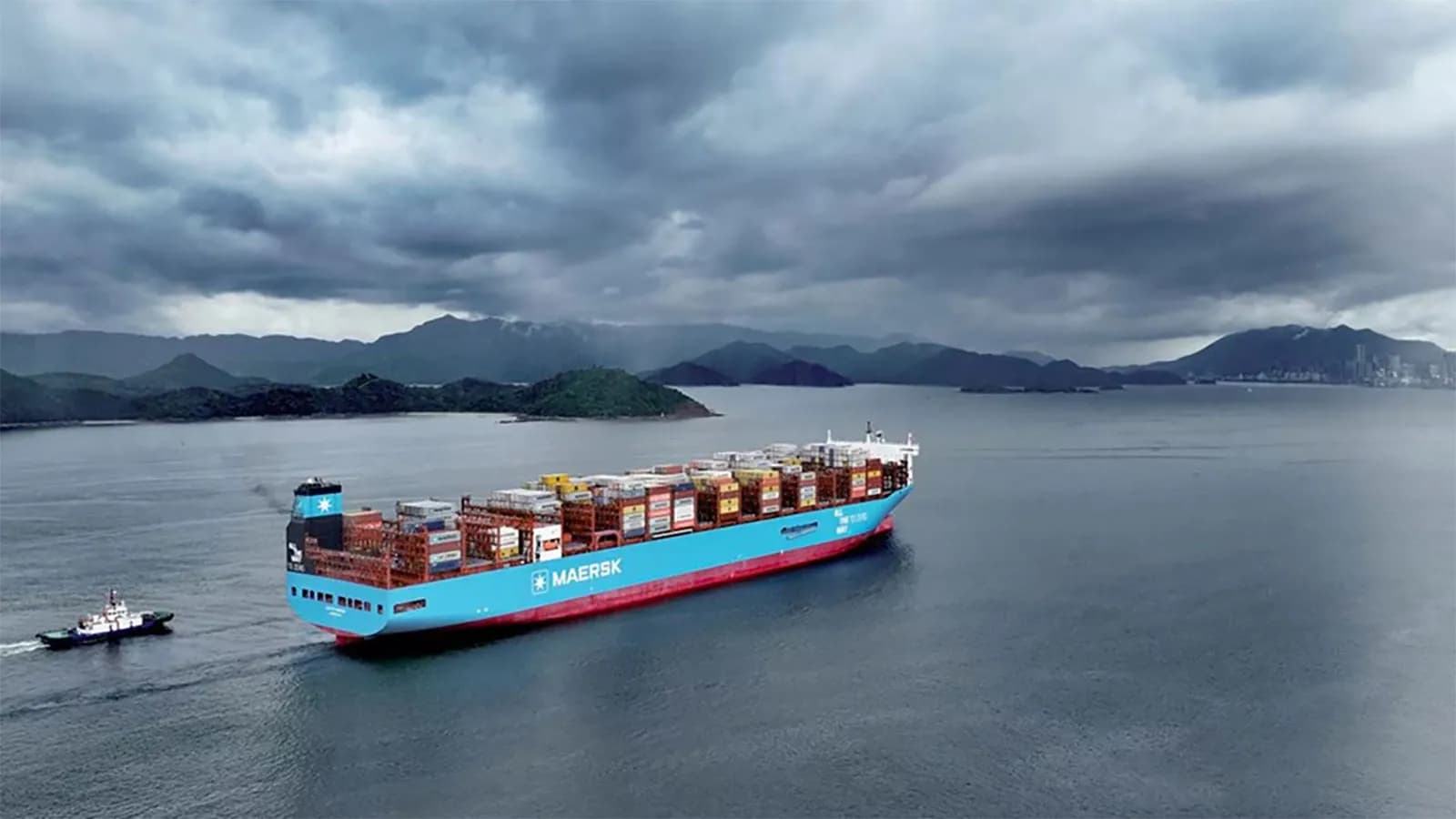
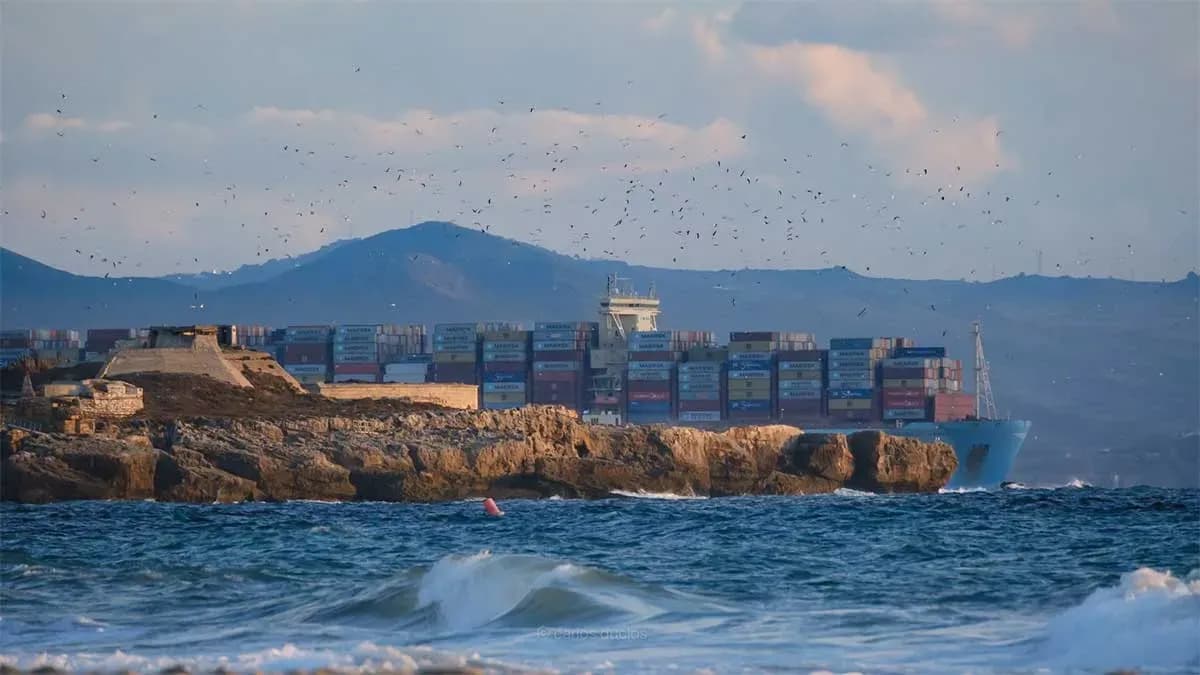
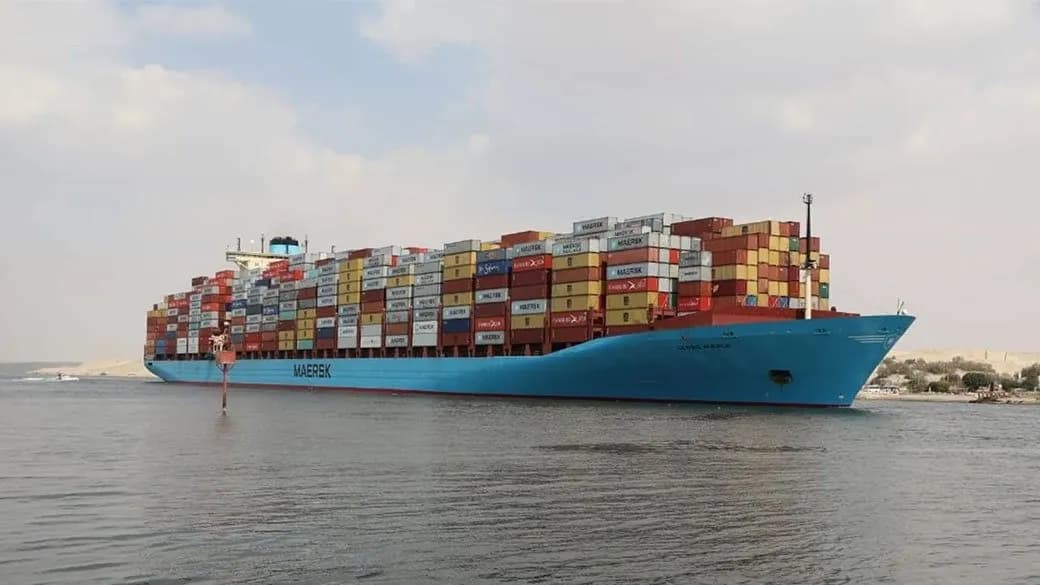
Maersk has published its monthly update on operations in Europe for July 2026, which reviews the situation in the Middle East, the changes introduced in its Mediterranean network, the incidents recorded at various northern European ports, and the regulatory news affecting its customers.
The Danish shipping company has indicated that recent advances between the United States and Iran are positive for restoring long-term stability in the Middle East, although it has warned that the situation remains unpredictable. For this reason, Maersk remains cautious and has not resumed suspended transits in the area. The company has stated that it is prepared to resume them as soon as it is confirmed that conditions are safe, and that any decision regarding this will be based on risk assessments and security indications from the competent authorities and partners. Maersk refers customers to its specific page about the situation in the Middle East to follow developments.
In terms of the maritime network, the company has introduced adjustments to strengthen connectivity between the Eastern and Western Mediterranean hubs, including the launch of a new Adriatic service. According to Maersk, these changes aim to facilitate a more consistent cargo flow throughout the Mediterranean network and improve overall service reliability, better balancing volumes among the main connecting ports.
From the terminal operations perspective, the shipping company expects the seasonal pressure of summer to affect several Mediterranean ports, particularly in Genoa, where productivity has traditionally been affected during this time. To mitigate the impact, Maersk recommends its customers consider Vado Ligure as an alternative port, where it expects operations to remain more stable during this period. The company emphasizes that flexibility in planning will be key to maintaining the integrity of itineraries during the summer, and that its teams are available to assist in coordination.
At the end of last month, several key northern European ports recorded operational incidents arising from both weather events and personnel limitations. In Rotterdam, a heatwave caused temporary terminal shutdowns and productivity losses, which has reduced cargo handling efficiency and will lead to short-term delays and itinerary adjustments in the affected services.
In Antwerp, the availability of pilots remains limited and continues to affect vessel movements. Maersk advises customers moving cargo through Rotterdam and Antwerp to allow additional buffer times in their planning to cope with these disruptions. The company adds that the pressure on container yards remains high in various parts of the region, which is why it urges customers to remove import units as soon as possible to alleviate congestion. Maersk offers its customers the ability to receive ETA notifications about their cargo through a subscription service.
In the regulatory and logistics area, the European Free Trade Association (EFTA) has launched a new digital panel, the Free Trade Dashboard, designed to help businesses identify tariff savings, check how effectively they are utilizing existing free trade agreements, and detect untapped opportunities within EFTA trade flows and bilateral agreements. Maersk reminds that tariff preferences are not automatically applied, so it advises companies to review their trade flows, origin documentation, and customs processes to fully benefit from available agreements and avoid unnecessary tariffs.
At the same time, regulatory requirements for imports to the European Union have significantly tightened with the full implementation of the Import Control System 2 (ICS2) in its third phase, which came into effect on June 1, 2026. This system replaces the previous one in all member states and introduces stricter requirements for sending cargo data prior to arrival. Importers, carriers, and logistics providers must now ensure greater accuracy and integrity of the data, including correct product classifications and detailed summary entry declarations. Non-compliance may result in cargo hold-ups, border delays, and increased scrutiny. Maersk advises its customers to review the quality of their internal data, their processing procedures, and coordination with their logistics partners to ensure compliance with regulations.
Regarding air transport, cargo demand in Europe remains relatively stable, with a year-on-year growth of around 6-7% in imports at the beginning of 2026. The Asia-Europe corridor continues to be the main driver of this behavior. At the same time, capacity conditions have stabilized, with global supply just 0.4% below levels from the previous year in April, and space availability improving in Europe compared to previous months. Maersk advises its customers to prioritize early planning and reservations on key routes, particularly Asia-Europe, where demand remains structurally strong and capacity can tighten quickly if new disruptions occur.
Finally, the shipping company has announced railway infrastructure works on the Bremen-Bremerhaven corridor, scheduled between July 9 and mid-December 2027, which will temporarily affect the railway capacity servicing the ports of Bremerhaven and Bremen. According to Maersk, this work is aimed at improving the reliability and long-term resilience of the corridor, although operational adjustments, capacity reductions, and the need for alternative routes are expected during the upgrade period.