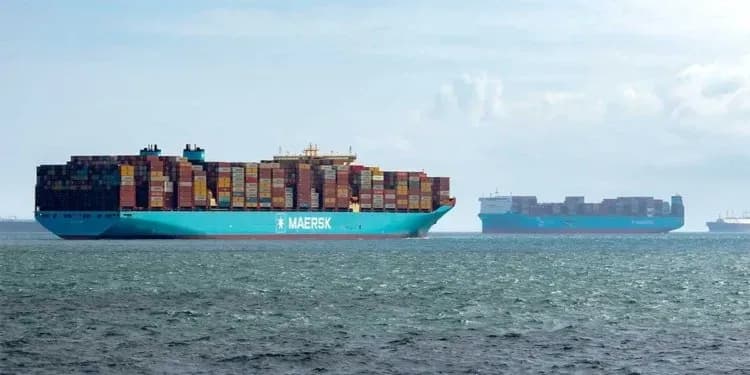
A.P. Moller-Maersk has warned that the conflict in the Middle East is adding approximately 500 million dollars per month to its fuel costs, as a result of the increase in bunker prices and the diversion of vessels caused by the disruption of daily transits through the Strait of Hormuz.
During the presentation of the first quarter results, Maersk CEO Vincent Clerc described the impact of the energy crisis as "unprecedented" due to its scale, the speed of escalation, and the level of market dislocation in the main fuel supply centers, with volatility affecting both availability and bunker prices. The company is exploring ways to pass on additional costs to customers through surcharges and price adjustments, and could extend slow steaming if fuel prices remain high. "We remain confident that the impact of the crisis can be effectively contained through a combination of commercial and operational measures," Clerc stated.
The executive indicated that the conflict mainly affects the company's ocean division, while logistics and terminal operations remain largely unaffected. The group's diversified model is mitigating the impact on its maritime business, with a limited financial effect on first-quarter results. Maersk has approximately 6,000 employees in the affected countries, all located and safe, in addition to six vessels currently held in the Persian Gulf due to the disruption of maritime traffic in the Strait of Hormuz.
The shipping line has recorded a fleet utilization of 96%, along with a volume growth 9% higher than the market, despite a year-on-year decline of 14% in freight rates resulting from contract revisions in an oversupplied market. Maersk has indicated that its operational strategy has allowed it to increase asset utilization and reduce unit costs by 7% year-on-year, relying on the transformation of its Gemini network, despite the crisis in the Middle East.
"Operationally, the modularity of our Gemini network has allowed us to pivot with volumes back to pre-conflict levels and limit disruptions in the delivery of volumes and service quality. We have been able to isolate the part of the network affected by the conflict and continue our operations maintaining the highest reliability in deliveries," Clerc explained. "Although oil prices have skyrocketed and bunker availability has been pressured, we have been able to maintain fuel supply through available reserves on board vessels and onshore storage facilities."
The company has indicated that it has responded to fuel shortages in parts of its system, particularly in Asia, by redistributing available bunker from North America and Europe to ensure the refueling of its vessels.