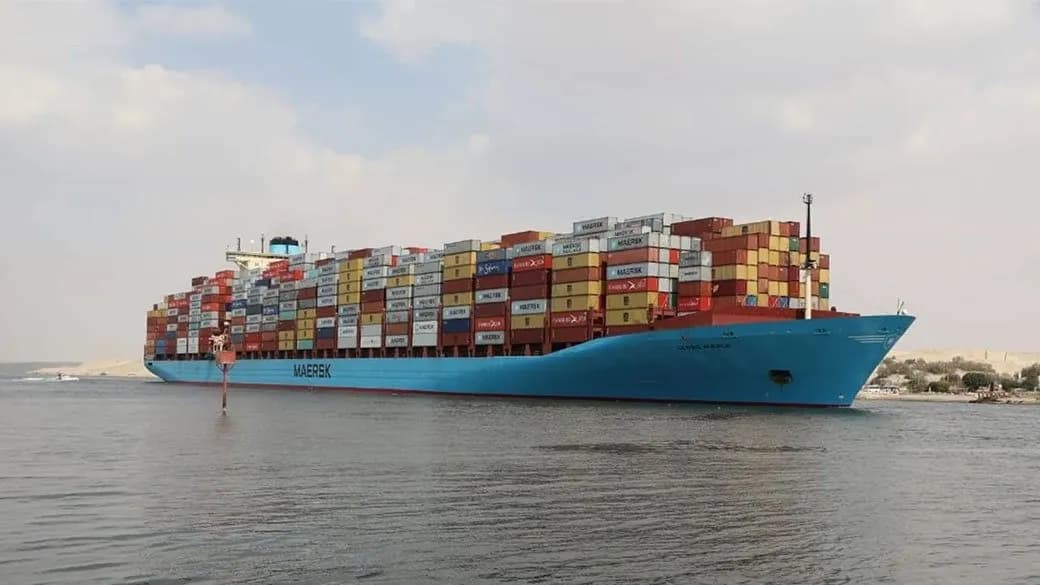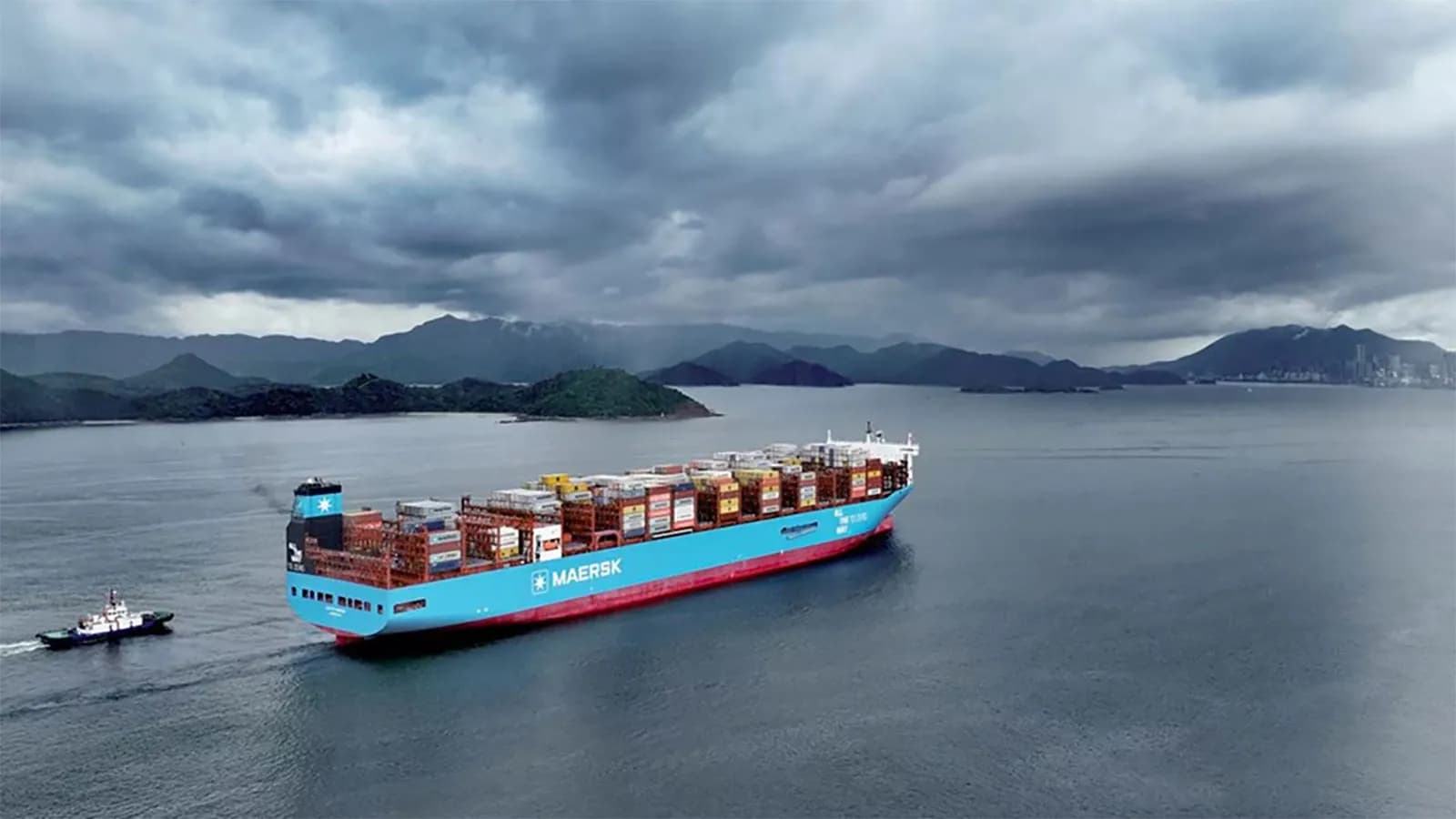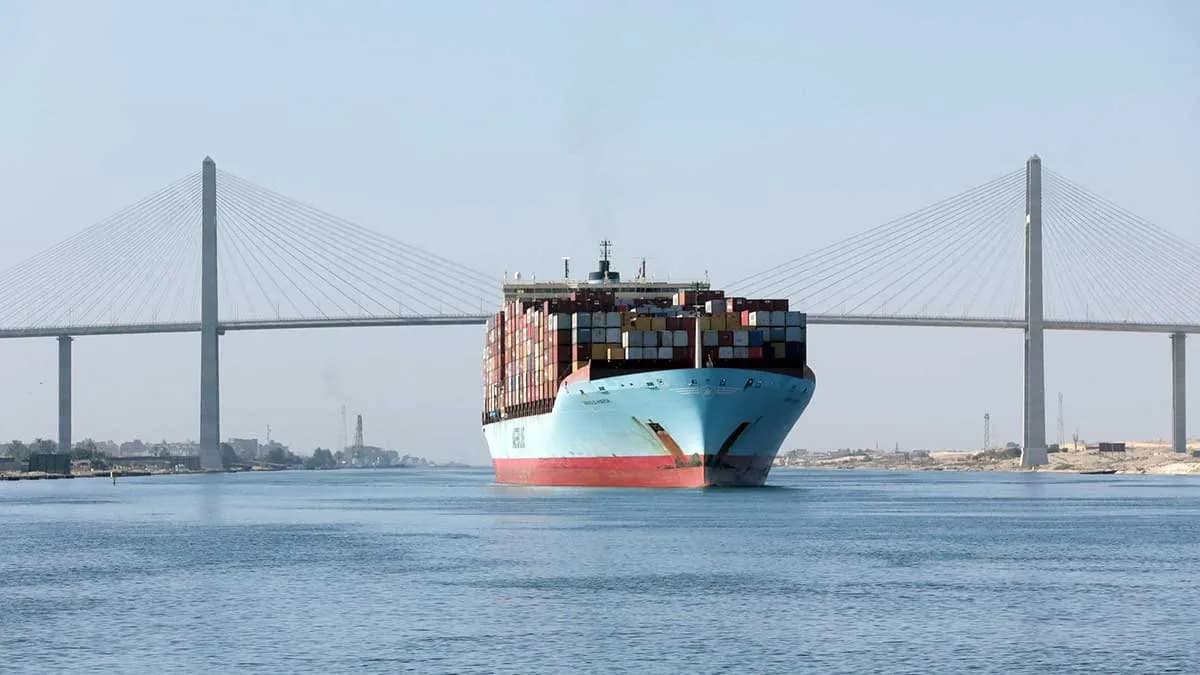
Maersk continues with the gradual recovery of its transits through the Suez Canal and the Red Sea. The company has announced a structural reconfiguration of its MECL service, which connects India, the Middle East, and the east coast of the United States, to once again operate through the trans-Suez corridor, following the recent change applied to the AE15 service and the transit made by the Majestic Maersk through the Red Sea.
The MECL service, operated solely by Maersk, will stop using the alternative route around the Cape of Good Hope and will resume sailing through the Suez Canal and the Red Sea. The shipping company believes this corridor remains the fastest and most efficient way to connect traffic between Asia, the Middle East, and the Atlantic coast of the United States, compared to sailing around the southern tip of Africa.
The modification will reduce transit times for the service. According to the information provided by the company to its clients, westbound departures will see an average improvement of seven days, while eastbound rotations will reduce their times by an average of fourteen days. This difference is due to the impact that the route around the Cape of Good Hope has had on the duration of journeys since major shipping companies diverted part of their services for security reasons in the Red Sea area.
The first vessels of the MECL service that will operate under this new configuration have already been identified by Maersk. Westbound, the first departure on the trans-Suez route will correspond to the Maersk Denver, on voyage 627W. Eastbound, the first vessel will be the Maersk Chicago, on voyage 624E.