HMM has announced an investment in Washington United Terminals (WUT), located in the Port of Tacoma, which will allow for nearly a 50% increase in the terminal's annual container handling capacity. The project is part of the modernization of this terminal integrated into the Seattle-Tacoma port complex, commercially managed by The Northwest Seaport Alliance (NWSA).
The action will allow WUT to go from an approximate capacity of 590,000 TEUs annually to 880,000 TEUs, which means adding capacity for about 290,000 additional TEUs each year. The investment also includes changes to the equipment aimed at accommodating larger container ships and improving internal cargo flows and operational productivity.
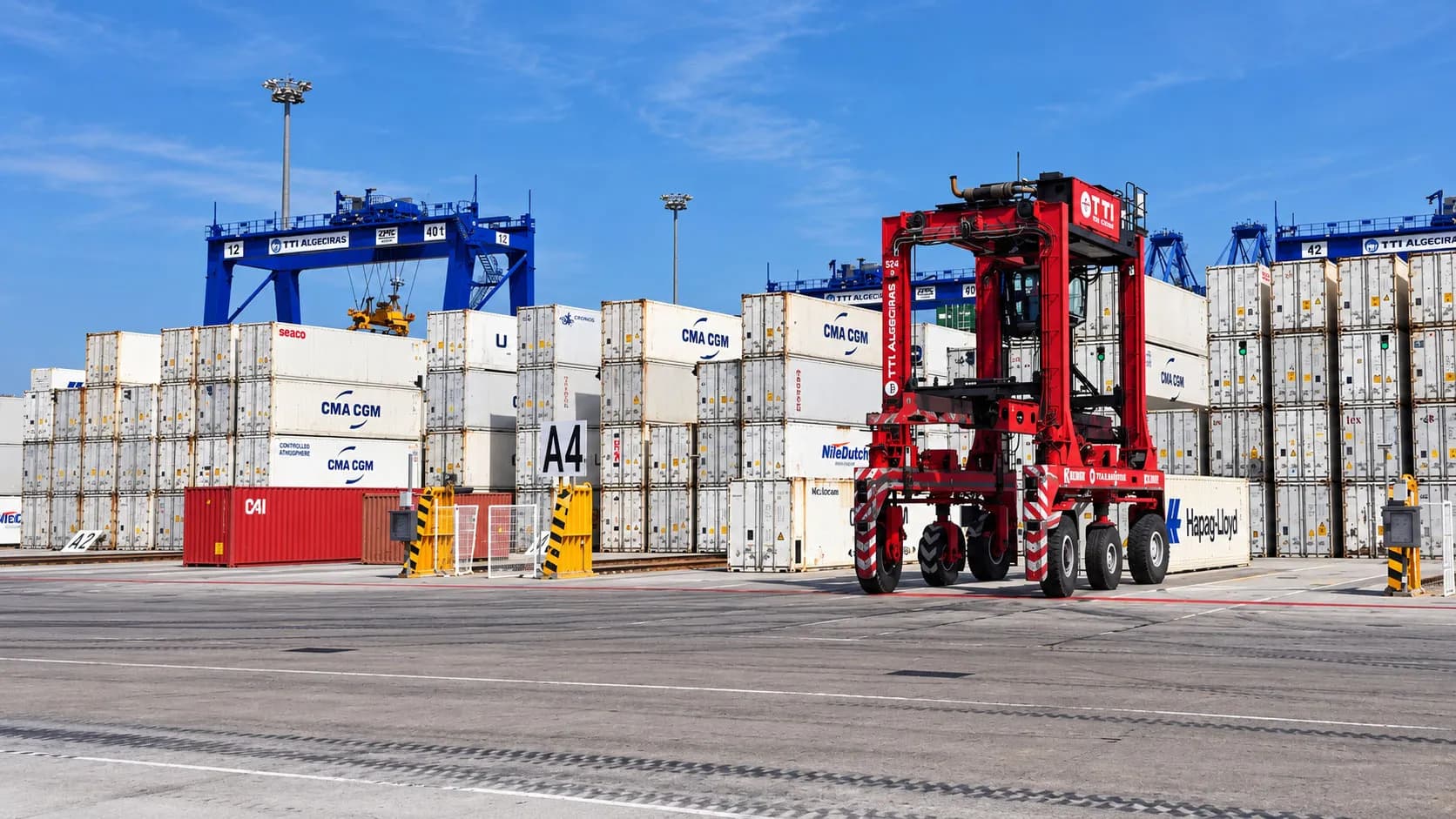
The program includes the replacement of two ship-to-shore (STS) cranes that have reached an advanced age and the addition of two new rubber-tired gantry cranes, known as RTGs for their acronym in English. The new equipment is expected to be delivered and put into service in 2028.
The action responds to the evolution of container shipping and the gradual increase in the dimensions of the ships used on the main international routes. For HMM, the investment also means maintaining Tacoma as one of the reference points in its North American network and consolidating cargo in the northwest U.S. port corridor.
Washington United Terminals is located in Tacoma Harbor and services transpacific traffic. Its position within HMM's network makes the facility one of the nodes used by the South Korean shipping company to connect Asian markets with the west coast of the United States.
The co-chair of NWSA and president of the Tacoma Port Commission, Dick Marzano, has placed the investment in the context of existing competition among North American ports to attract cargo and visits from the major shipping lines. According to Marzano, the project reflects HMM's confidence in the Seattle-Tacoma corridor and will provide infrastructure adapted to future growth, larger ships, and the operational needs of its customers.
For his part, the director of Operations and vice president of Washington United Terminals, Zachary Thomas, noted that the planned modifications are aimed at improving the movement of goods within the terminal and the reliability of logistical chain connections with international markets. The incorporation of new equipment will allow WUT to adapt its operations to the changes being experienced in maritime trade.
The project is integrated into the modernization actions developed throughout the Seattle-Tacoma system to adapt its terminals to the new characteristics of the global fleet of container ships. NWSA groups the management of maritime cargo activities from the ports of Seattle and Tacoma and represents one of the main access points for U.S. containerized trade on the Pacific coast.
The investment is also taking place in a year where NWSA's traffic shows uneven evolution. Between January and July, the total volume of international and domestic containerized cargo reached 1.67 million TEUs, an 11.3% decrease compared to the same period in the previous year.
Imports of full containers saw an accumulated reduction of 13.7%, while full exports dropped by 1.1%. Nevertheless, the latter were 2.6% above the average of the last five years. Year-over-year comparisons are affected by the higher movements recorded in 2025, when some goods were moved forward in anticipation of new tariffs.
During July, the port system managed 239,220 TEUs, a 4.2% decrease compared to July 2025. Full container exports remained practically stable during the month, while full imports decreased by 11.6%.
Domestic container traffic accumulated a reduction of 0.8% up to July compared to 2025. Within this segment, movements linked to Alaska decreased by 0.4%, and those corresponding to Hawaii fell by 2.6%.
The evolution has been different in other categories of goods. Breakbulk traffic grew by 19.2% in accumulated terms, reaching 249,622 metric tons, driven by industrial demand. In contrast, the movement of automobiles decreased by 4.9%, down to 161,743 units, in a context affected by tariffs impacting the sector.
The increase in capacity of Washington United Terminals will unfold while NWSA adapts its facilities to the operational needs of shipping companies and the evolution of transpacific traffic. With the new equipment expected to be operational by 2028, WUT will have the capacity to handle up to 880,000 TEUs annually.