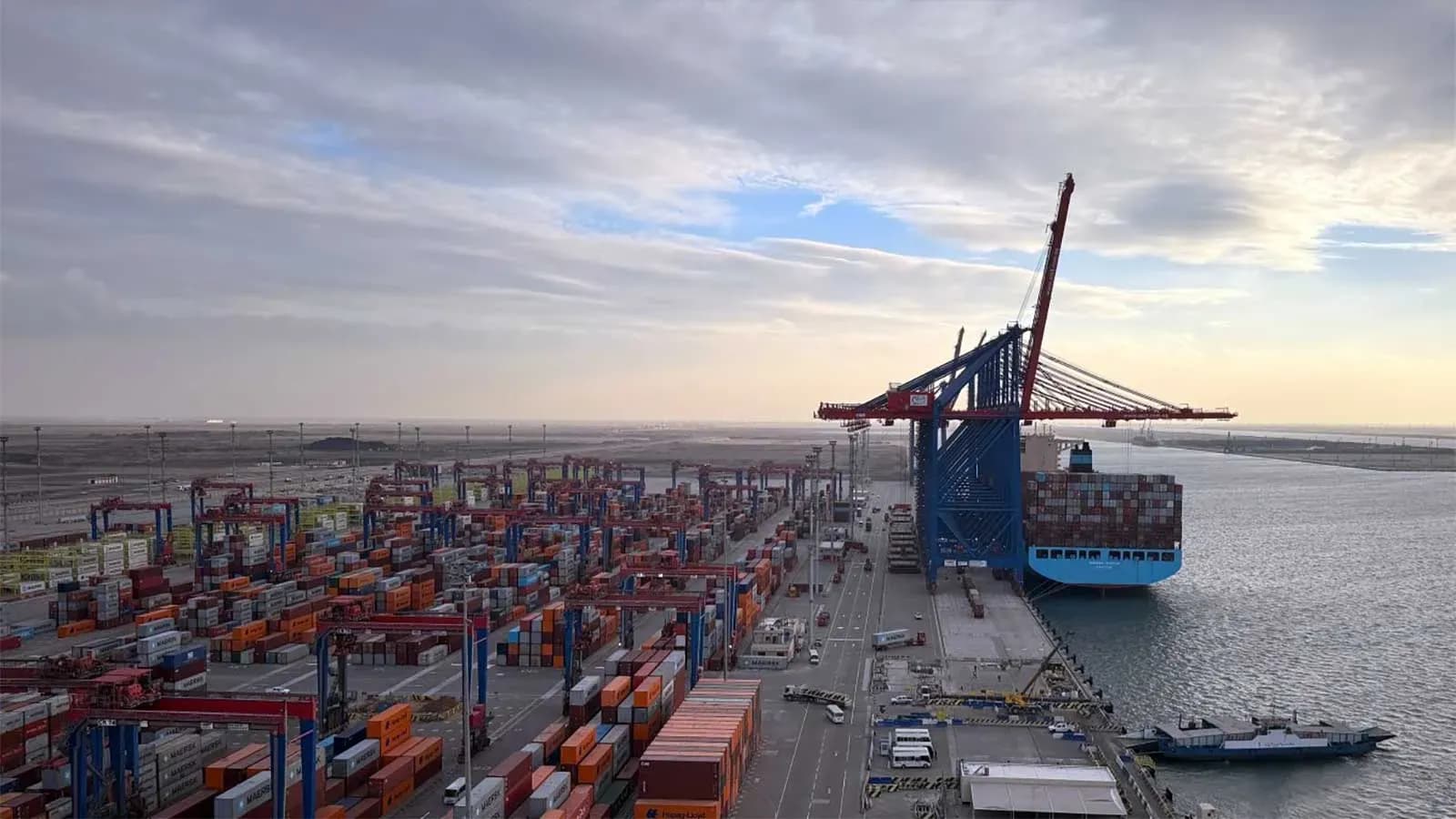
Suez Canal Container Terminal (SCCT), a subsidiary of APM Terminals, has signed a power purchase agreement with the Egyptian Authority for New and Renewable Energy (NREA) to fully supply itself with electricity from renewable sources. The agreement, developed in coordination with the Suez Canal Economic Zone (SCZONE), places SCCT among the first port operations in Egypt to operate entirely with renewable energy.
The signing took place at the Cabinet's headquarters in Cairo, with the presence of the Egyptian Prime Minister, Mostafa Madbouly, who stated that the State "places great importance on expanding the adoption of clean energy in various development projects."
"These agreements represent a successful model of integration between government entities and the private sector in fulfilling the State's green transition objectives, improving the efficiency of ports and industrial zones, and enhancing the competitiveness of the Egyptian economy," Madbouly added.
For his part, Walid Gamal El-Din, president of the General Authority for the Suez Canal Economic Zone, noted that the authority "continues to work to provide an integrated investment environment that supports investors in adopting the best global practices in the fields of energy and operational efficiency."
Once in effect, the agreement will prevent approximately 30,000 tons of CO2 emissions per year by replacing fossil fuel grid electricity with solar and wind energy. According to APM Terminals, given the scale of SCCT's operations, this figure represents a 6% reduction in the group's emissions compared to its base year. The initial agreement will have a duration of one year, with the option of renewal.
The signing of this contract adds to APM Terminals' efforts to decarbonize its port operations globally, as part of its goal to source 100% renewable electricity by 2030. The company also aims to achieve net zero greenhouse gas emissions across its entire value chain by 2040. According to the company, it currently obtains about 62% of its electricity from renewable sources worldwide, and this agreement represents an additional step in its transition towards terminal operations with a lower carbon footprint.
Walid Gamal El-Din added that the collaboration between NREA and SCCT "represents a partnership model aimed at promoting the use of renewable energy within ports," which helps to reduce the carbon footprint of operational activities and responds to the changing requirements of global trade and supply chains that increasingly emphasize sustainability standards.
By the end of 2025, SCCT completed a $500 million expansion at the terminal. The development added 955 meters of quay and 510,000 square meters of yard area, increasing the capacity of Egypt's main transshipment hub by 2.2 million TEUs annually and raising its total throughput to 7 million TEUs per year.
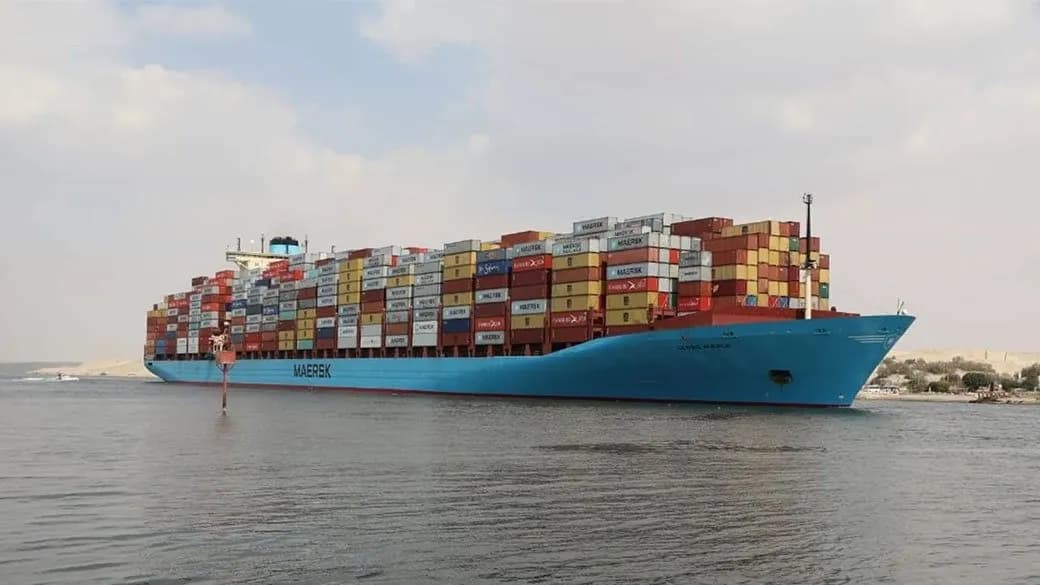
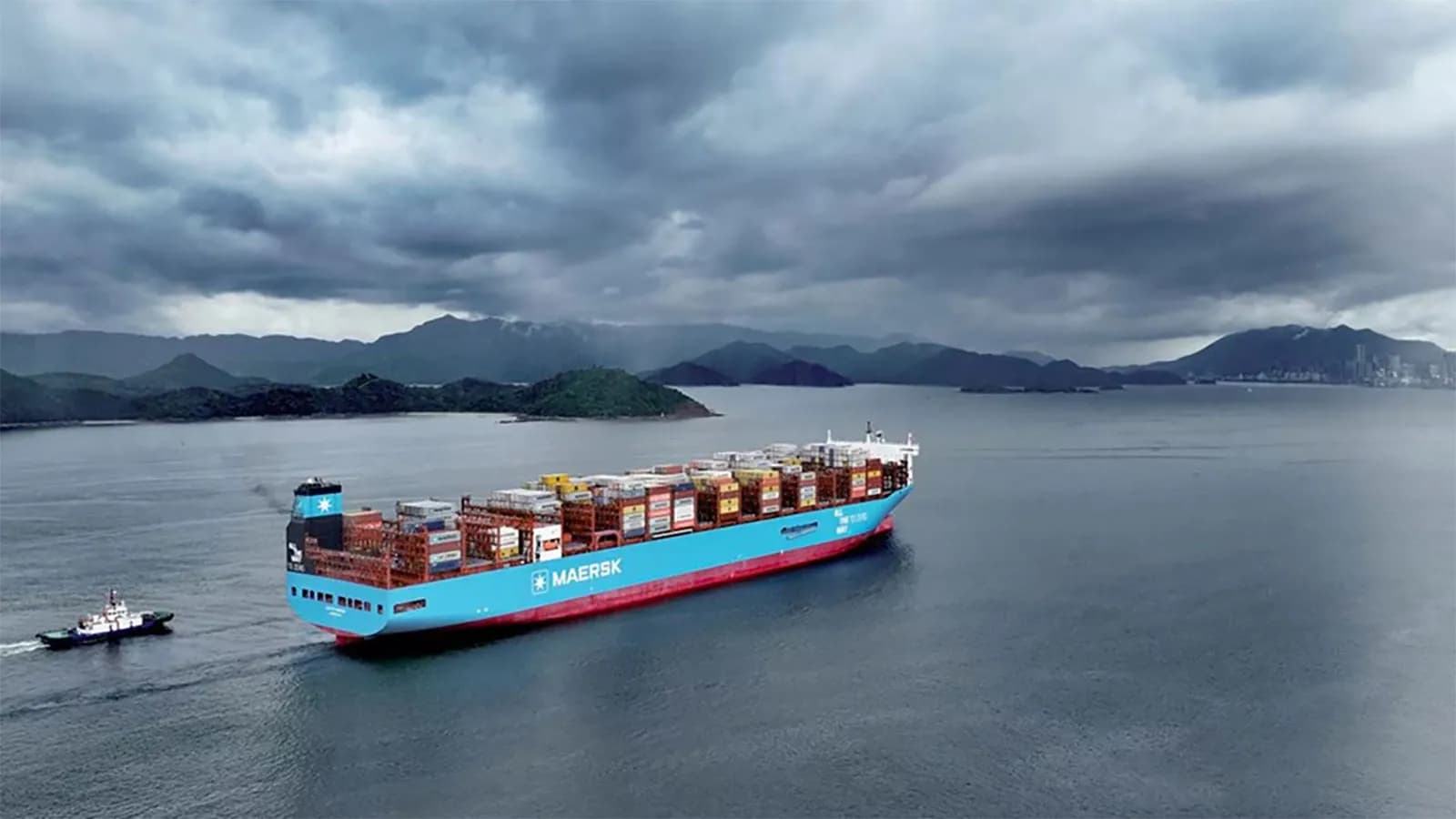
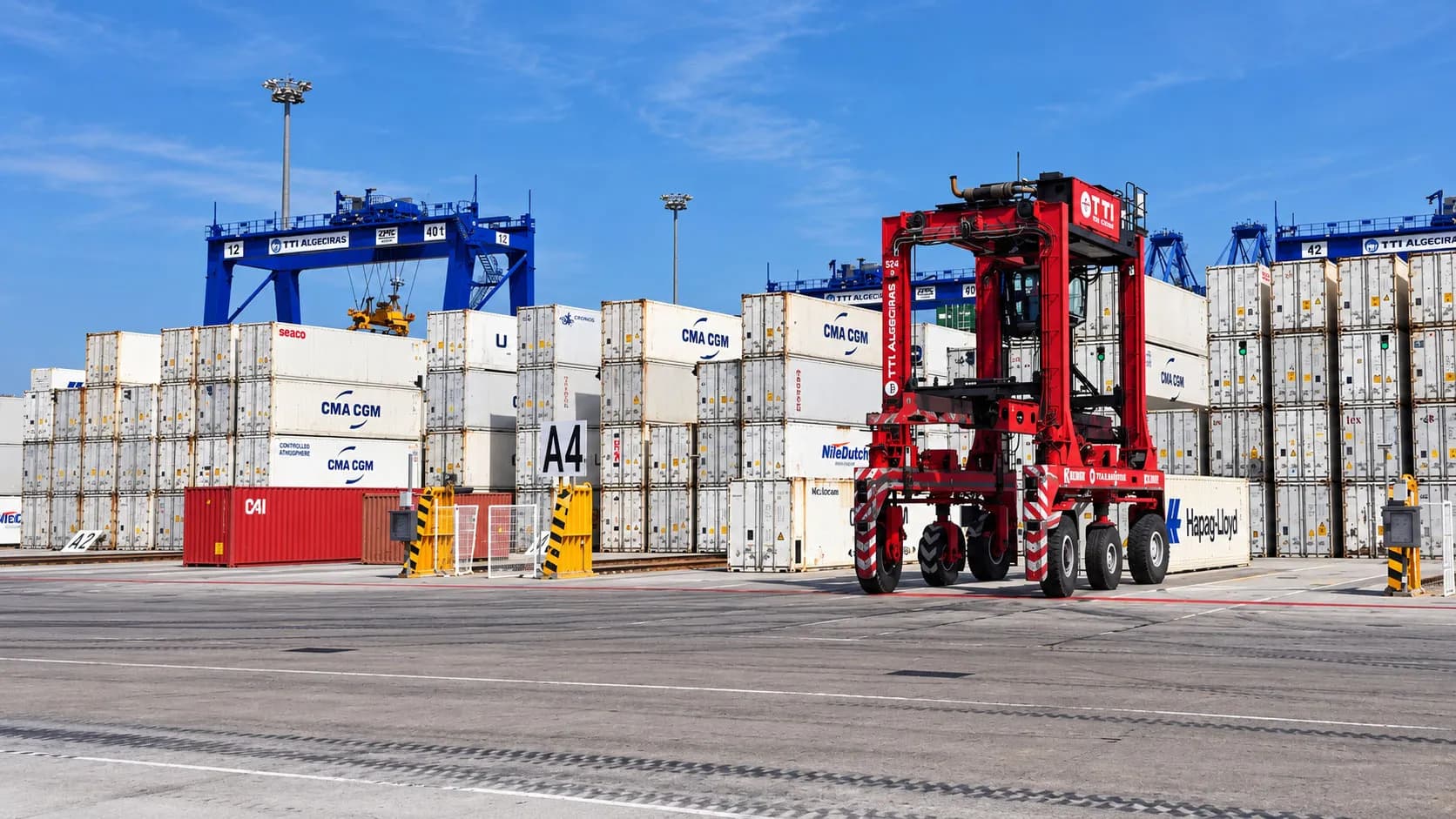
As part of this expansion, SCCT was equipped with 12 STS cranes and 30 electric RTG cranes supplied by ZPMC, as well as more than 90 terminal tractors from the Shacman brand. SCCT is one of the eight hub terminals that make up the east-west network of the Gemini Cooperation alliance, formed by A.P. Moller-Maersk and Hapag-Lloyd.
The renewable supply agreement comes just months after the completion of this expansion, which aimed to position Egypt's main transshipment platform at a capacity of 7 million TEUs annually. The physical expansion and energy transition thus shape the two lines along which SCCT continues to operate as one of the eight hub terminals supporting the east-west network of Gemini Cooperation between Maersk and Hapag-Lloyd.
Newsletter
The maritime briefing, every morning at 8:00
Ports, logistics and shipping essentials in your inbox, Monday to Friday, before the day starts.