The European Parliament has asked the community institutions and the member states to prioritize the modernization of critical dual-use infrastructure with the aim of strengthening the deterrent and response capacity of the Union against possible aggressions, in the context of Russia's war against Ukraine.
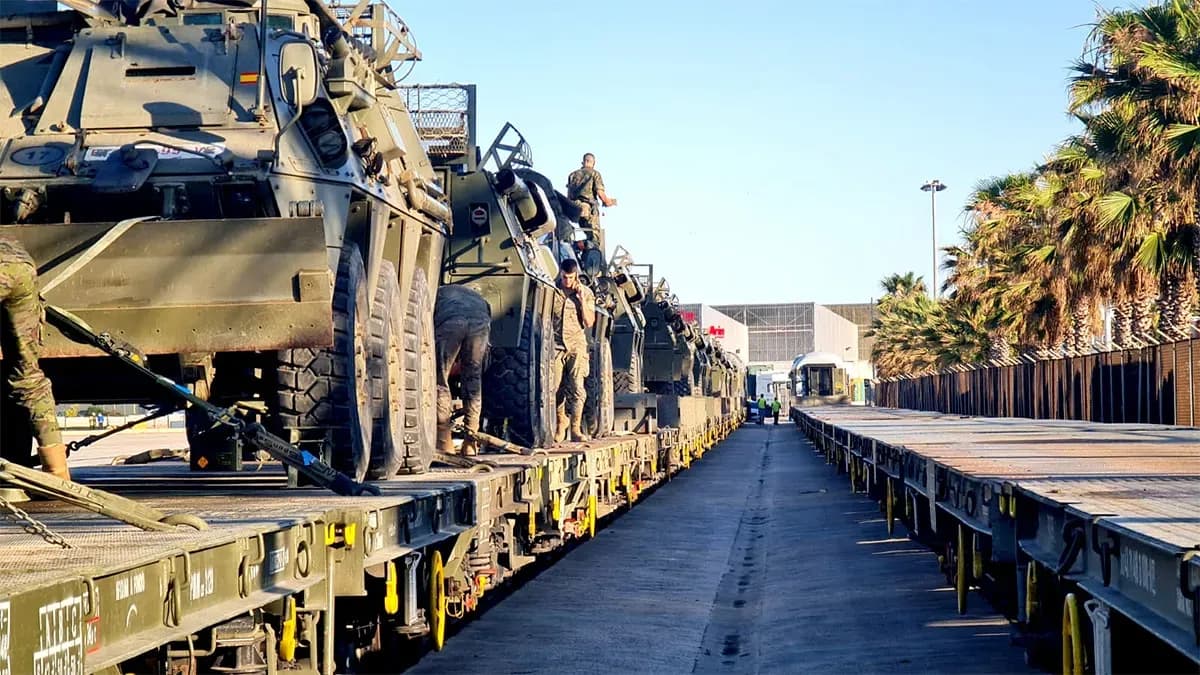
This is stated in a report approved by majority in the Transport and Tourism and Security and Defense committees of the Eurochamber, which urges investing more to adapt roads, bridges, tunnels, railways, ports, airports, and cargo terminals so that they can support the transport of troops and military equipment. The text sets the negotiating position of Parliament for the discussions with the Council on the new military mobility rules proposed by the European Commission, pending confirmation by the full Eurochamber in the plenary session scheduled for the second week of July in Strasbourg.
Among the proposed measures is the creation of a solidarity fund to gather and share the transport and logistics capabilities of the EU and its member states, including vehicles, personnel, medical units, ships, and trains, in order to facilitate military transport operations to countries in need. The fund would be extendable to NATO allies and also to Ukraine and Moldova.
The committees also support the creation of a digital information system that helps the countries of the Union manage military transport permits, traffic agreements, and customs procedures, with the aim of overcoming administrative barriers and the fragmentation of national procedures. The MEPs propose bringing forward its introduction to 2027, compared to the originally proposed date of 2030 by the Commission, and ensuring its interoperability with NATO. They also support streamlining the granting of military transport permits through permanent and occasional permits, which would be granted within one month and two business days, respectively.