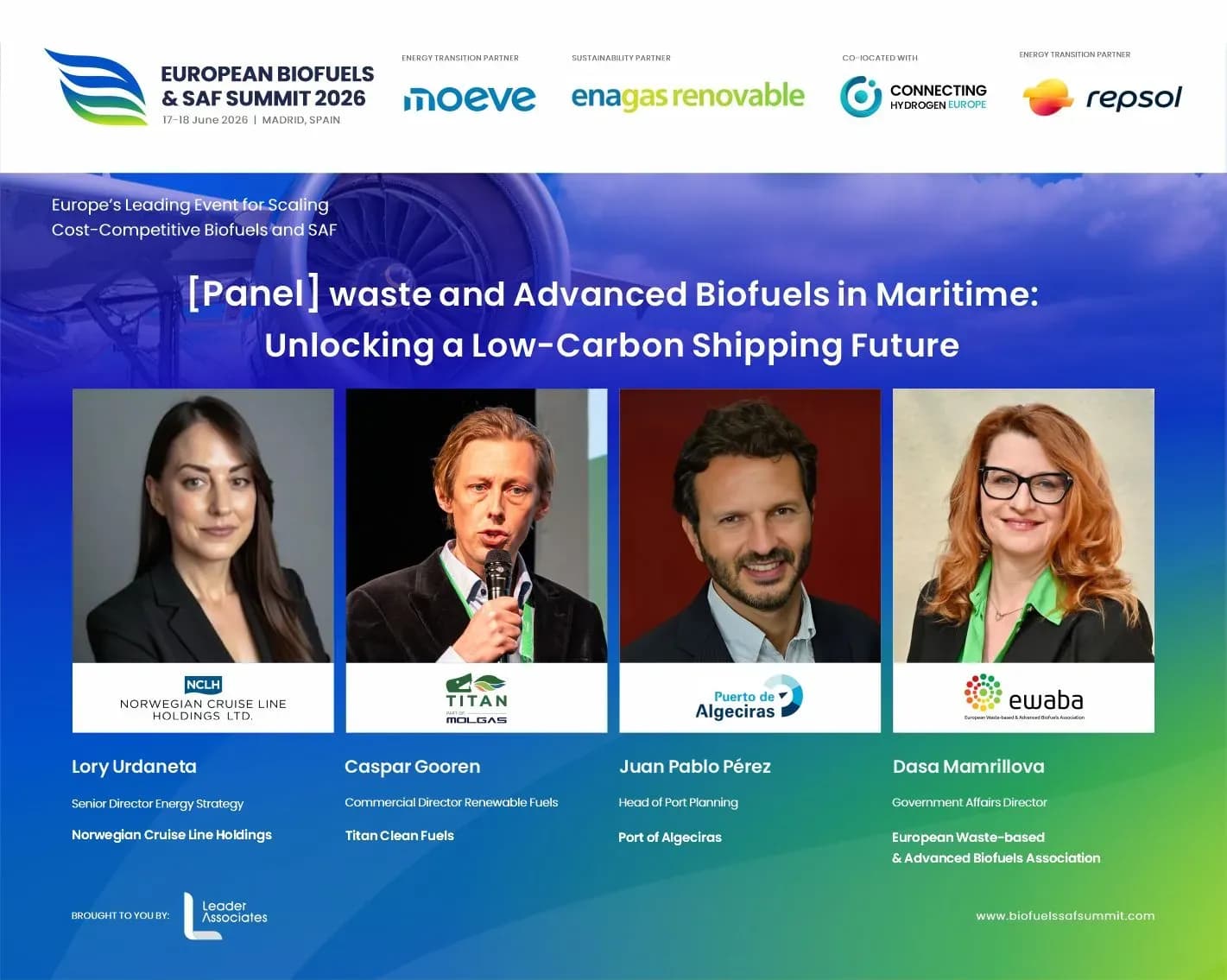
The Port Authority of Algeciras Bay (APBA) will participate in the European Biofuels & SAF Summit 2026 (EBSS2026), which will take place on June 17 and 18 at the RIU Plaza España Hotel in Madrid. Juan Pablo Pérez, head of the Port Planning Department of the APBA, will speak as a panelist in the "Waste and Advanced Biofuels in Maritime: Unlocking a Low-Carbon Shipping Future" panel, dedicated to the role that advanced biofuels and residual fuels can play in reducing emissions in maritime transport in the short and medium term.
The round table will also feature Lory Urdaneta, senior director of energy strategy at Norwegian Cruise Line Holdings; Caspar Gooren, commercial director of renewable fuels at Titan Clean Fuels; and Dáša Mamrillová, director of government relations at the European Waste-Based & Advanced Biofuels Association (EWABA). The panel will address how residual fuels and advanced biofuels can facilitate short-term emission reductions while contributing to the sector's long-term energy transition strategies.
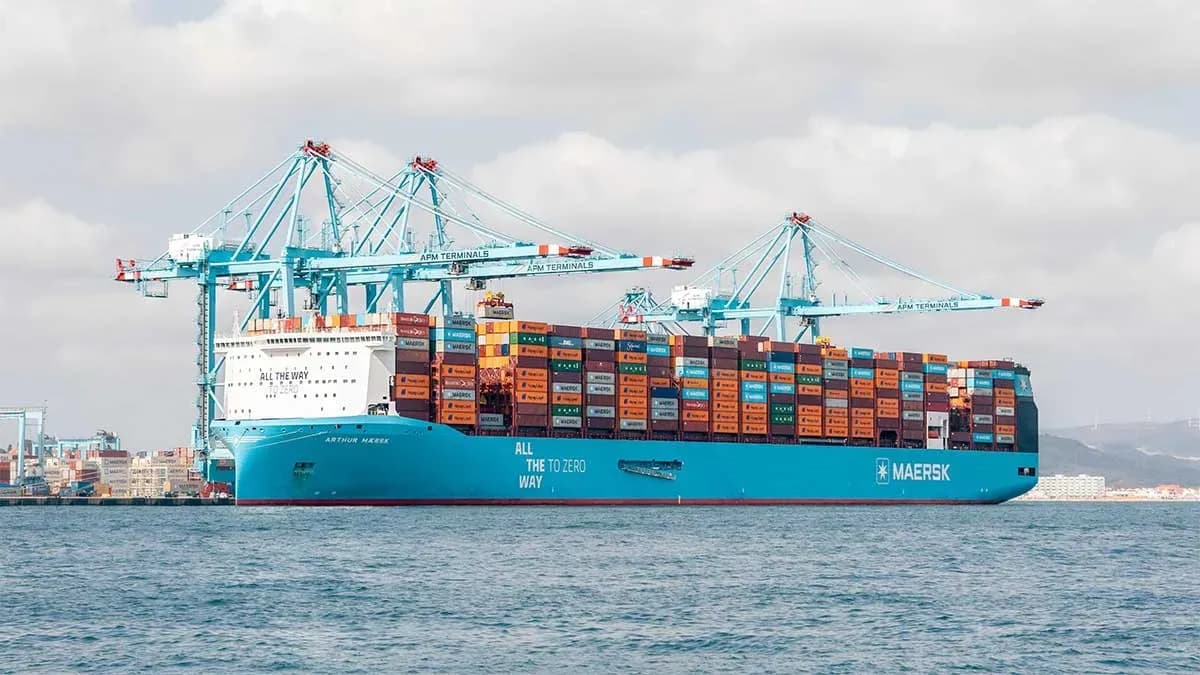
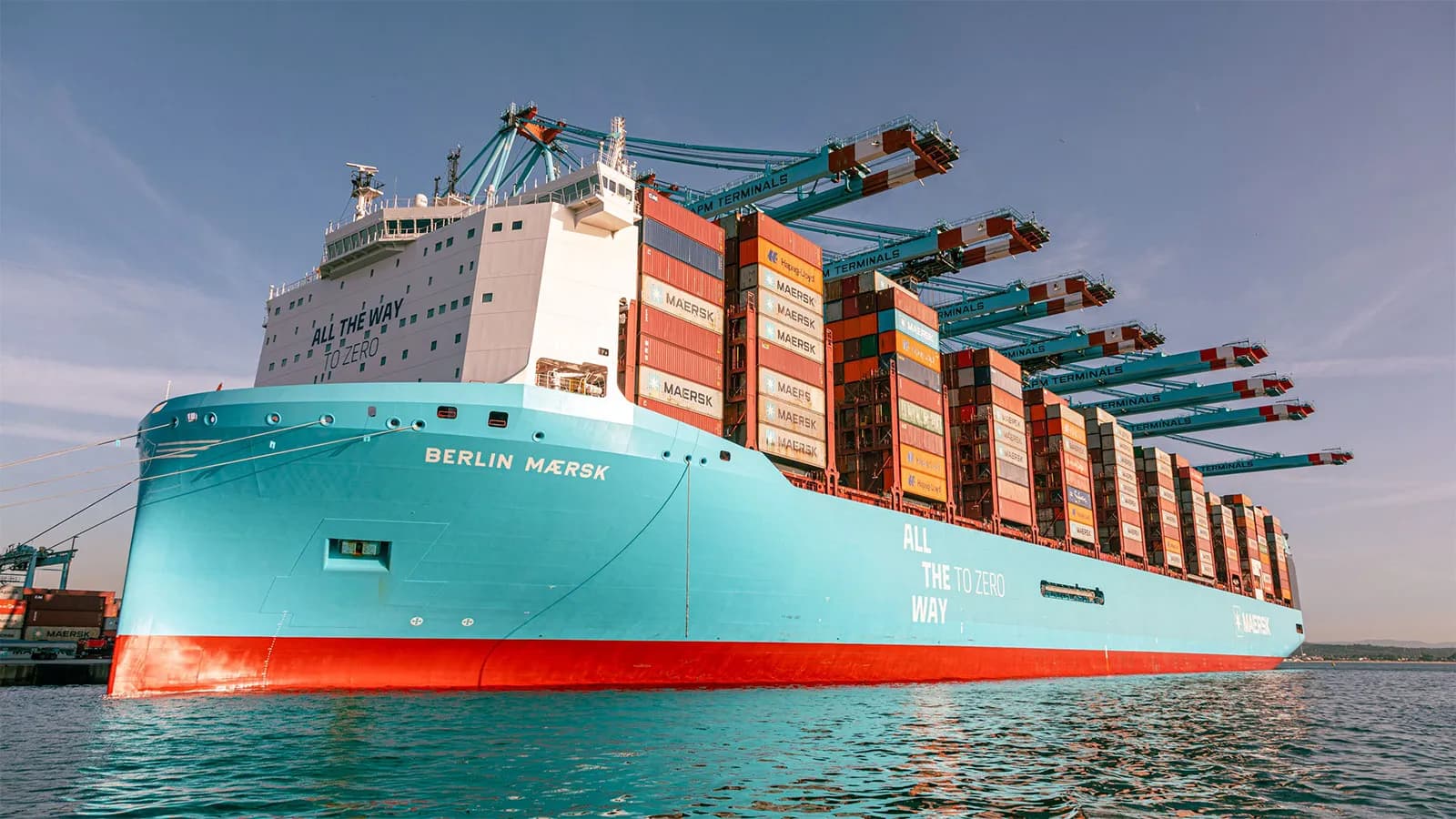
The presence of the APBA at this European forum comes at a time when the port of Algeciras is consolidating its position as a reference hub for the supply of alternative fuels in southern Europe. Since late 2024, the port was a pioneer in the first liquefied natural gas refueling at anchor in Spain, and from early 2025, bio-LNG has been supplied through Enagás' virtual liquefaction service. In March 2026, the Bay of Algeciras positioned itself as the main international supply point for liquefied renewable biomethane.
The APBA's decarbonization strategy, outlined in its Decarbonization Plan published in 2025, includes the development of green hydrogen, green ammonia, and green methanol under the Green Energy Hub brand, with green methanol fully available by 2027 and green ammonia reaching total availability by 2029. The roadmap also includes the implementation of OPS electrical supply systems at all docks, expected to result in a reduction of 36,757 tons of CO₂ equivalent, alongside the progressive electrification of the land fleet and the establishment of solar energy installations for self-consumption.