The Port of Algeciras closed the month of April with a total traffic of 8.9 million tons, which represents an increase of 1.3% compared to the same period of the previous year, according to the data published by the Port Authority of the Bay of Algeciras (APBA). The monthly results show a positive sign in the main operational indicators: liquid bulk, general cargo, container traffic, and industrial vehicle traffic on the Strait lines.
In the liquid bulk section, the port terminals processed 2.5 million tons during the month, 4.9% more than in April of the previous year, with particularly notable growth in downloads, which totaled 1.6 million tons (+8.8%). Loads, on the other hand, stood at 927,109 tons, 1.2% below the previous record. Conversely, solid bulk decreased to 9,365 tons, a drop of 69.4% due to the absence of loading operations in this category.
General cargo, which constitutes the bulk of port traffic in Algeciras, reached 5.9 million tons in April, an advance of 1.4%. Downloads grew by 5% to exceed 3 million tons, while loads experienced a slight decline of 2.2%, settling at 2.8 million tons. Bunkering registered 211,758 tons, 15.9% less, weighed down by the decrease in bunkering at anchor, which fell by 30.8% to 129,542 tons, although supply at berth grew by 24.4%.
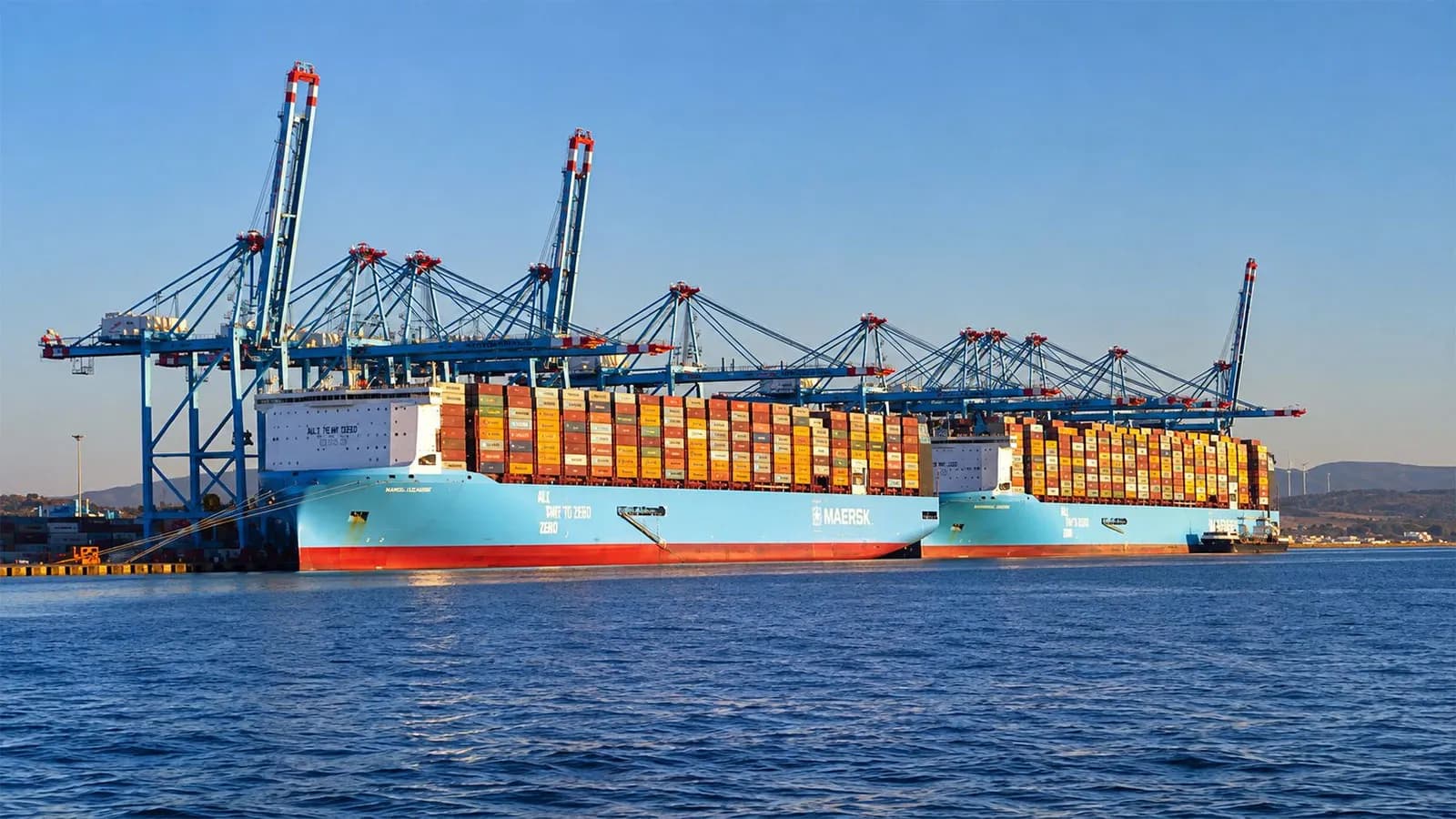
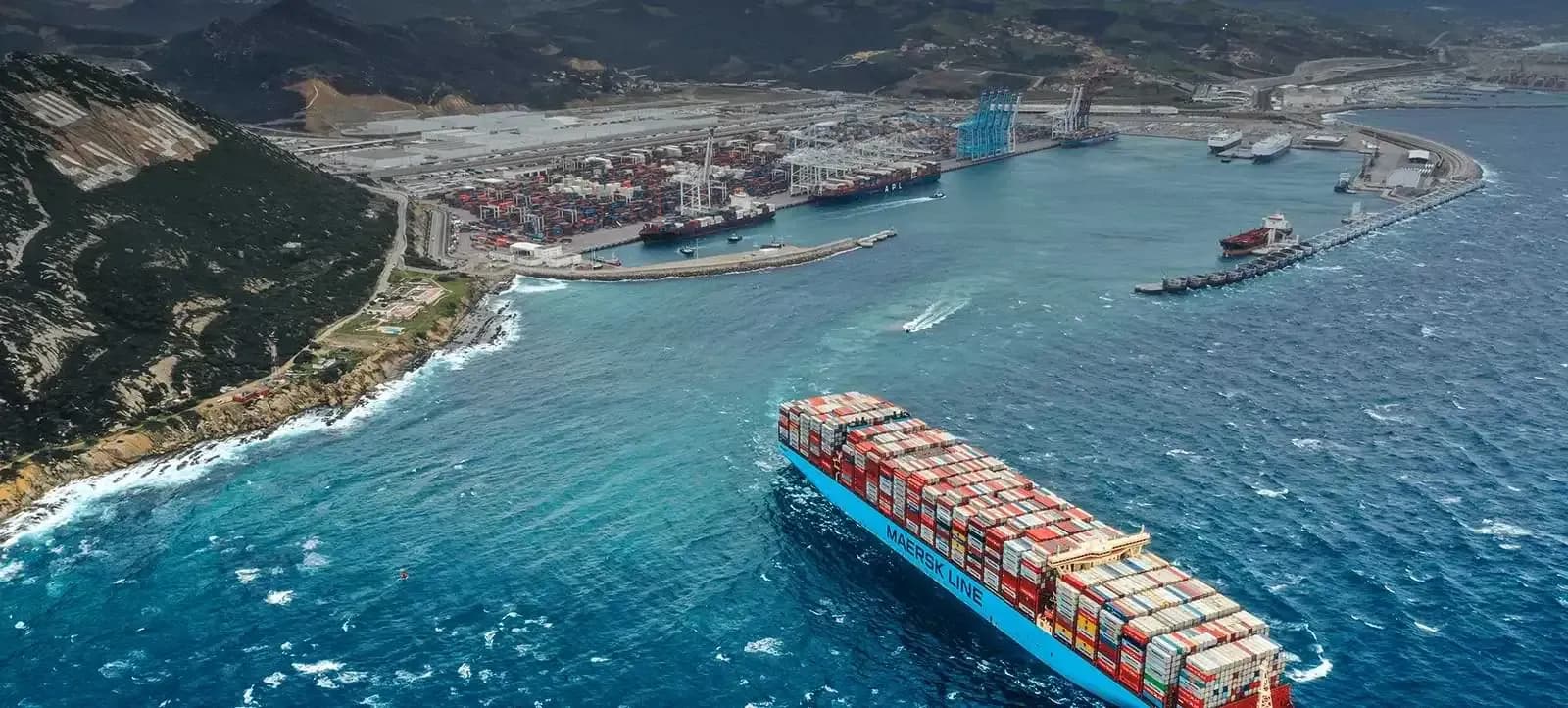
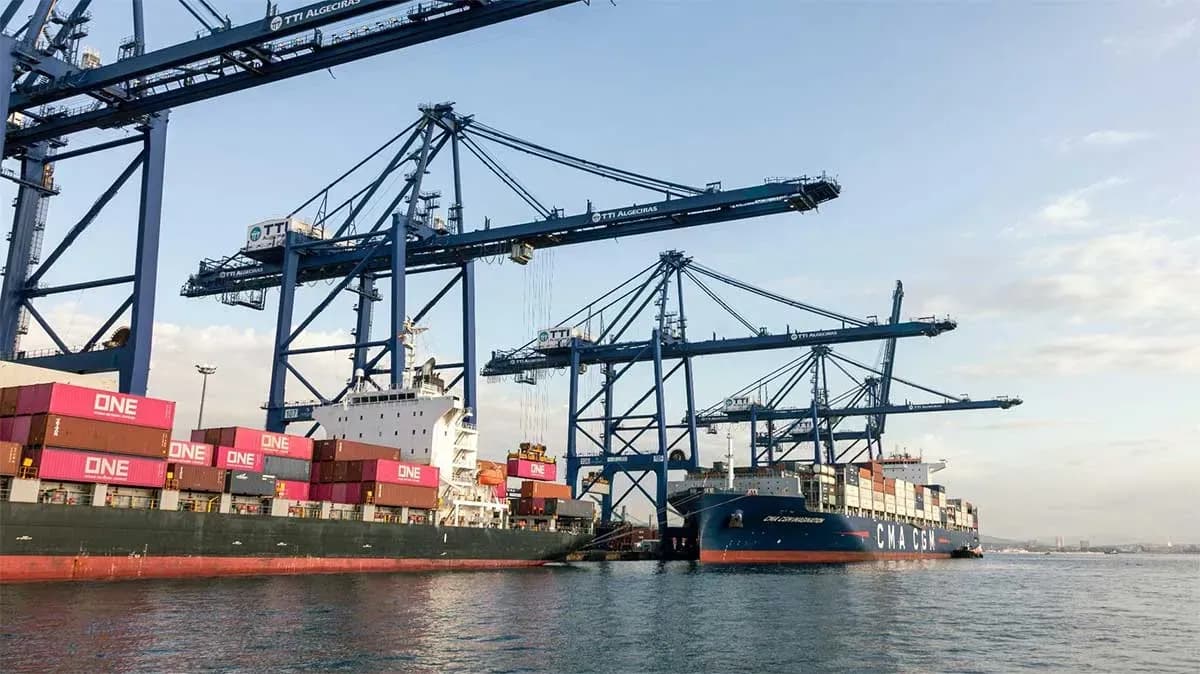
Container traffic in April totaled 418,040 TEUs, 6.3% more than in the same month of last year, with a total of 241,243 units handled (+4.1%). International transit, the main driver of containerized activity in Algeciras, grew by 7.4% to 332,275 units, while national transit declined by 9.1%. Imports experienced a significant increase of 14.2%, reaching 28,775 units, compared to 25,192 the previous year. Exports rose by 6.2% with 24,906 containers.
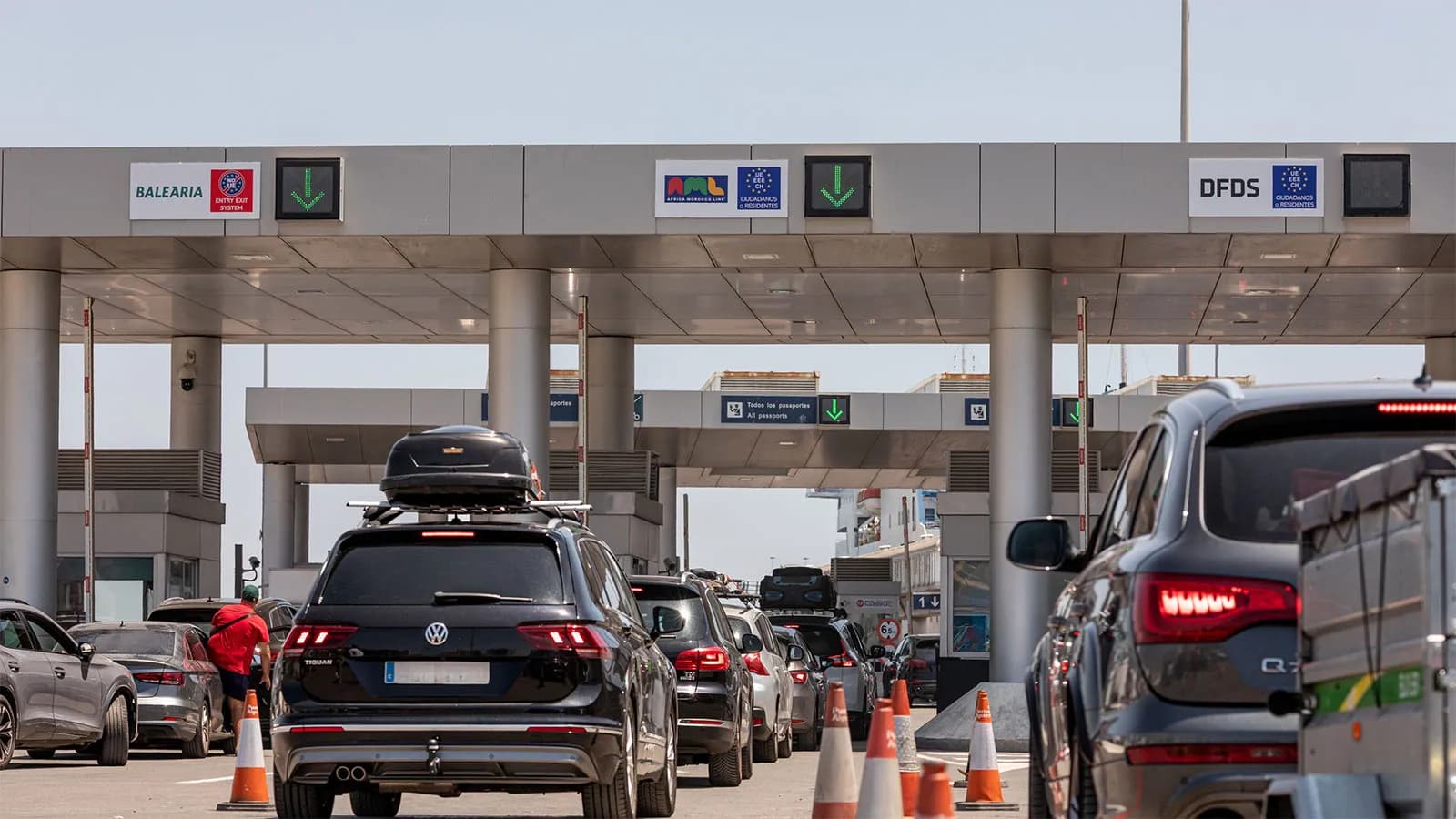
Regarding truck traffic across the Strait, the figures for April exceeded 50,000 units, reaching 51,542 industrial vehicles, an 11% increase compared to the same month of the previous year. The bulk of this movement is concentrated on the Algeciras-Tanger Med line, which recorded 48,785 units (+10.9%).
The Tarifa-Tanger City line reported the most positive data of the month in terms of passengers. With 118,678 travelers, this connection grew by 19.2%, while vehicle traffic under passenger regime skyrocketed by 38% to 15,077 units. In contrast, the overall passenger traffic across all Strait lines fell by 9.1% in April, with drops of 16.7% on the Algeciras-Ceuta line (145,938 passengers) and 17.8% on Algeciras-Tanger Med (140,004 passengers). Vehicle traffic under passenger regime also declined on these two routes, with decreases of 22% and 13.7%, respectively.
Regarding vessel movements, 2,371 vessels entered the port in April, an increase of 2.4%, with increases in all categories except for container ships, which remained stable at 270 calls compared to 272 the previous year.
With these monthly results, the Port of Algeciras continues to reduce the accumulated distance in the first two months of the year, when successive storms forced operational interruptions that weighed down the initial figures. The total traffic accumulated in the first four months stands at 32.2 million tons, 5% below the same period in 2025. By segments, liquid bulk totals 8.8 million tons (-9.3%), solid bulk totals 68,716 tons (-43.4%), and general cargo reaches 21.4 million tons (-2.9%). Bunkering remains in negative territory with 887,885 tons (-11.4%).
The accumulated container traffic in the first four months exceeded one and a half million TEUs, with growth of 8.5%, positive for both APM Terminals Algeciras and TTIA. During this period, the movement of refrigerated containerized cargo increased by 9%, making the Strait port the largest food logistics hub in the Mediterranean, with imports from Costa Rica, Peru, Chile, and Egypt, and exports directed to China, Canada, and Brazil.
In the Strait lines, the accumulated quarterly reflects an uneven behavior. Passengers decrease by 11% on the Algeciras-Ceuta line and by 4% on Algeciras-Tanger Med, while the Tarifa-Tanger City connection grows by 7%. Ro-ro traffic, with more than 191,000 trucks transporting goods between the African continent and Europe, remains at levels similar to the previous year.