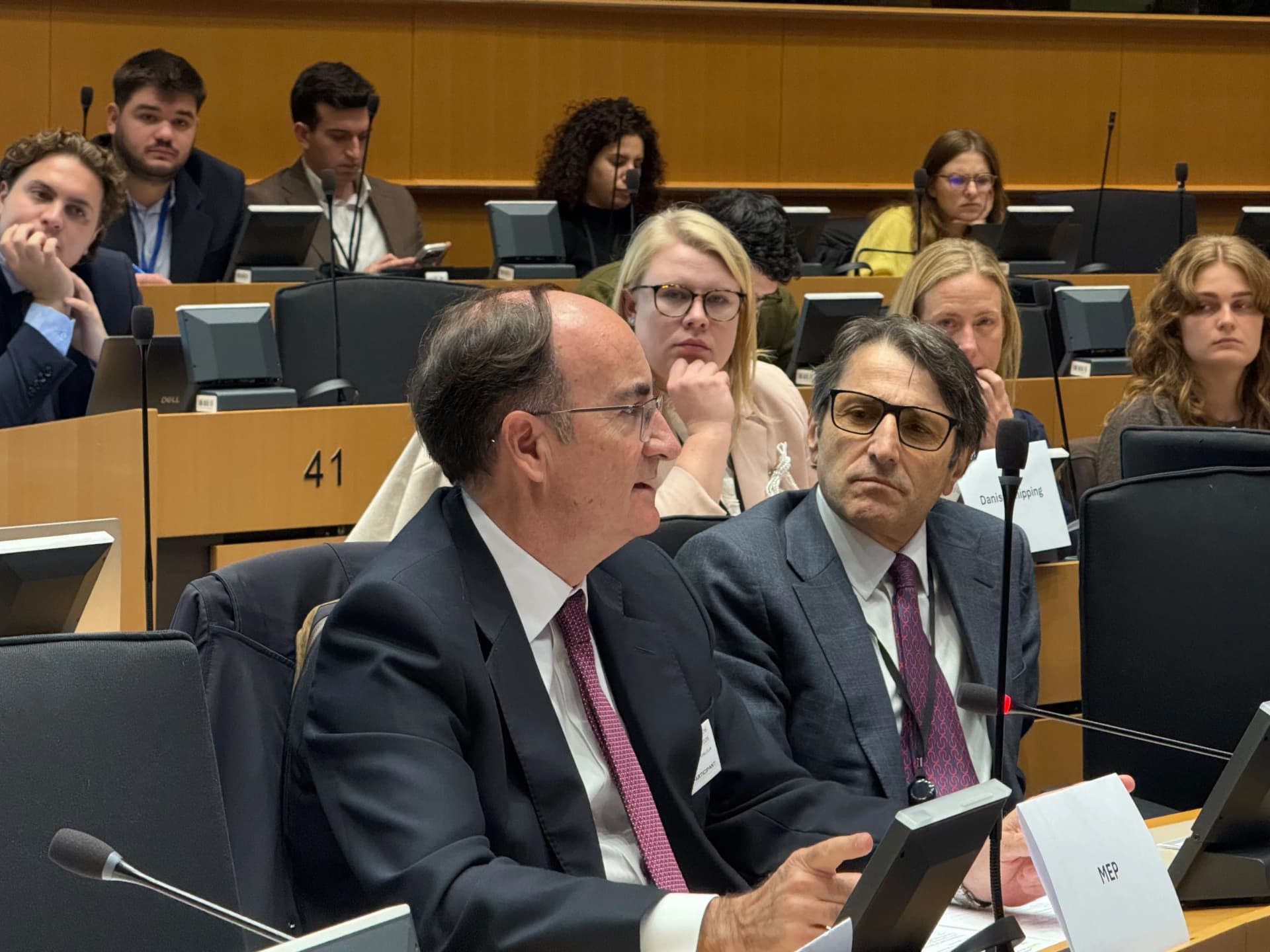
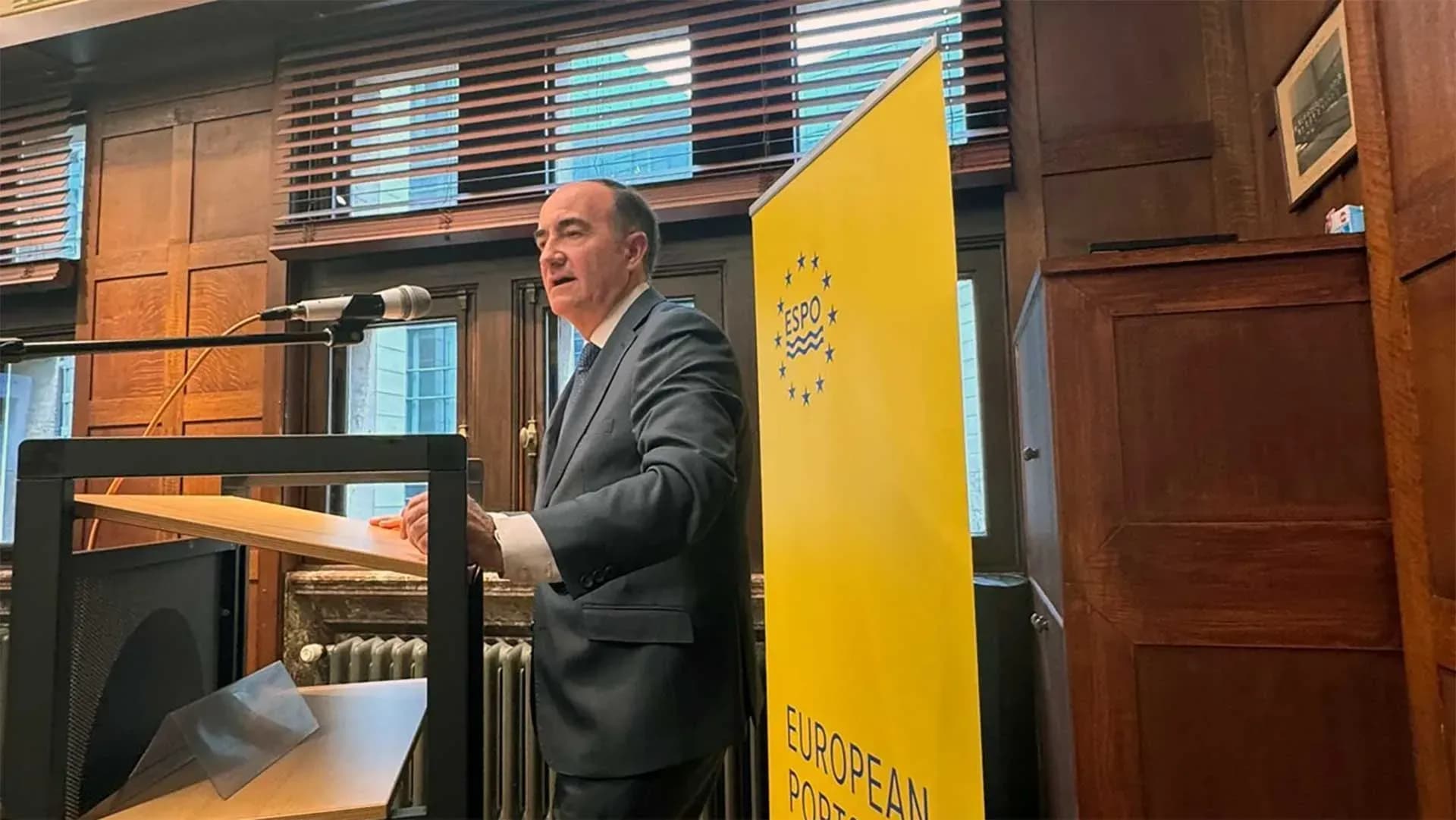
The Port Authority of the Bay of Algeciras (APBA) has conveyed to the European Parliament its concern about the effects of the European Union Emissions Trading System (EU ETS) on transshipment traffic, maritime connectivity, and port investments. Its president, Gerardo Landaluce, took part this Wednesday in Brussels in the meeting EU ETS Maritime: Safeguarding European Transhipment, organized by the Italian Shipowners' Association (Assarmatori) and MEP Letizia Moratti.
The event brought together representatives of European institutions and the maritime and port sector to analyze the consequences of applying the ETS to maritime transport and possible changes to the system as part of the regulatory review being prepared by the European Commission.
The debate focused particularly on the situation of European ports specializing in container transshipment, whose activities compete with facilities located in non-EU countries. The application of the European emissions trading system introduces costs associated with ship emissions, with differences in how they are treated depending on the routes and ports used.
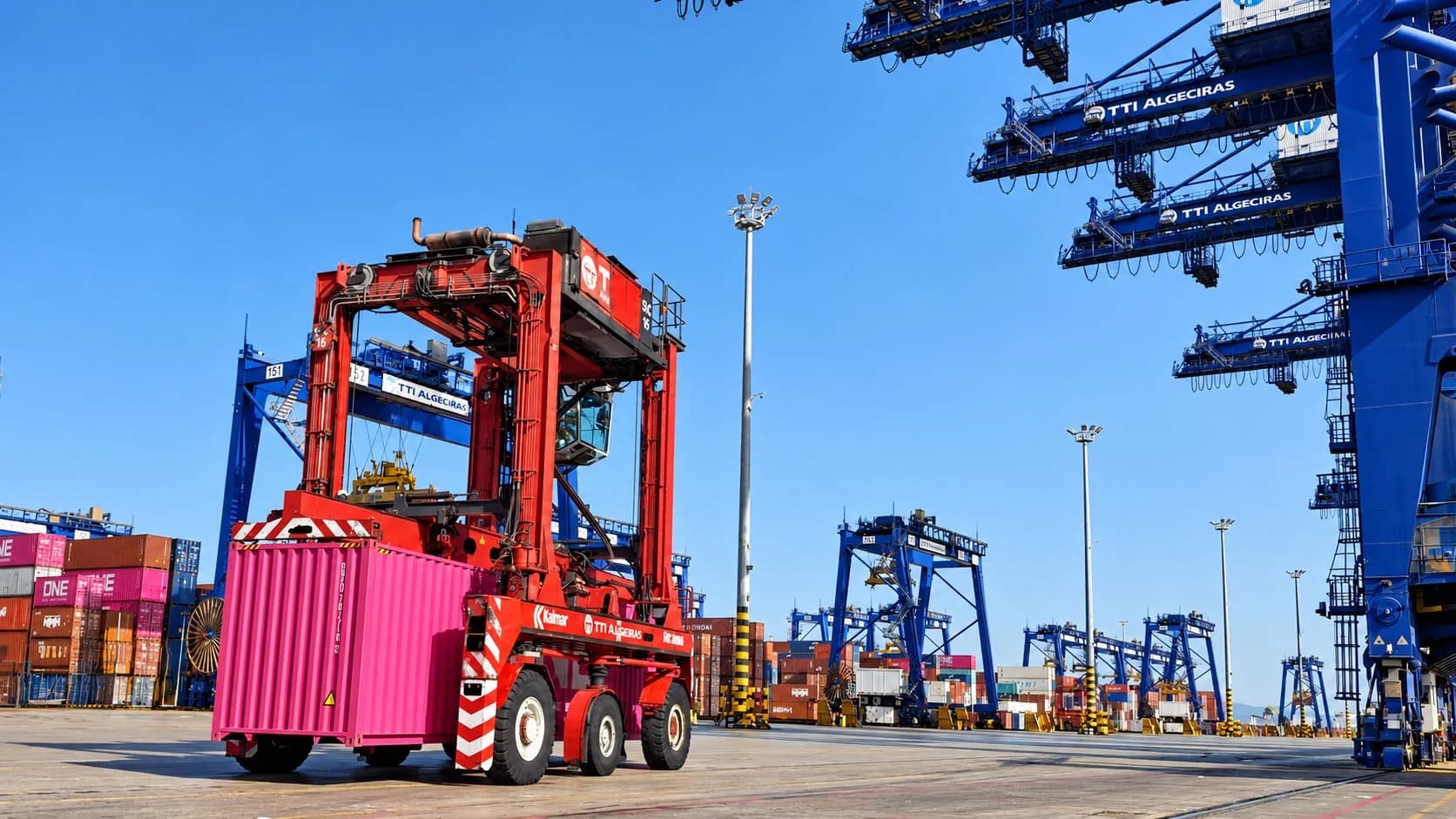
In his remarks, Landaluce outlined the situation at the Port of Algeciras and the repercussions that, according to the APBA, the regulations are having on shipping companies' decisions and the location of new investments. The head of the port authority shared the session with Assarmatori Secretary General Alberto Rossi and argued that transshipment activity must be preserved within the EU port system.
“Whoever controls transshipment controls the logistics chain; it represents connectivity and competitiveness, factors we cannot afford to lose,” Landaluce said, also expressing concern about investments shifting to facilities outside the European Union.
“We want to compete on equal terms, not have the EU itself make things more difficult for us,” said the APBA president.
In this context, he called for a coordinated EU-wide response that would maintain the maritime transport emissions reduction targets without compromising connectivity, economic activity, or jobs associated with European ports.
Algeciras's remarks came at a meeting that also addressed the findings of various studies on the effects of the ETS on transshipment ports in southern Europe.
One of the studies presented was conducted by Professor Giovanni Satta of the University of Genoa and analyzes changes in activity at the ports of Gioia Tauro and Taranto in Italy, Marsaxlokk in Malta, and Sines in Portugal.
The research identifies signs of transshipment traffic shifting to non-EU ports, as well as changes to shipping routes that could be related to the application of the European emissions trading system.
These findings add to work carried out in Spain by the State Ports EU-ETS Observatory, which has analyzed the consequences of the regulations for port activity and the possible diversion of port calls to facilities in third countries.
The event also featured remarks by Marco Canaparo, Italy's Deputy Permanent Representative to the European Union, and Matteo Ricci, rapporteur for opinion of the European Parliament's Transport Committee on the ETS review, among other participants.