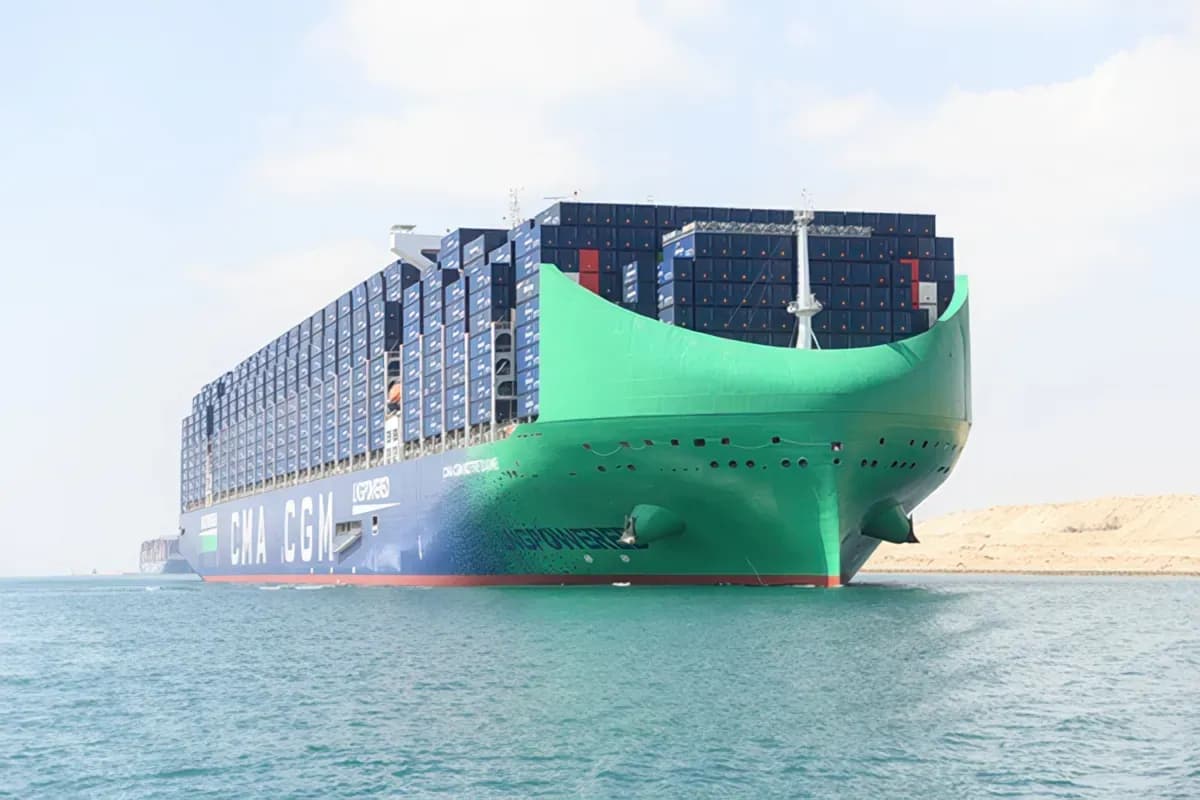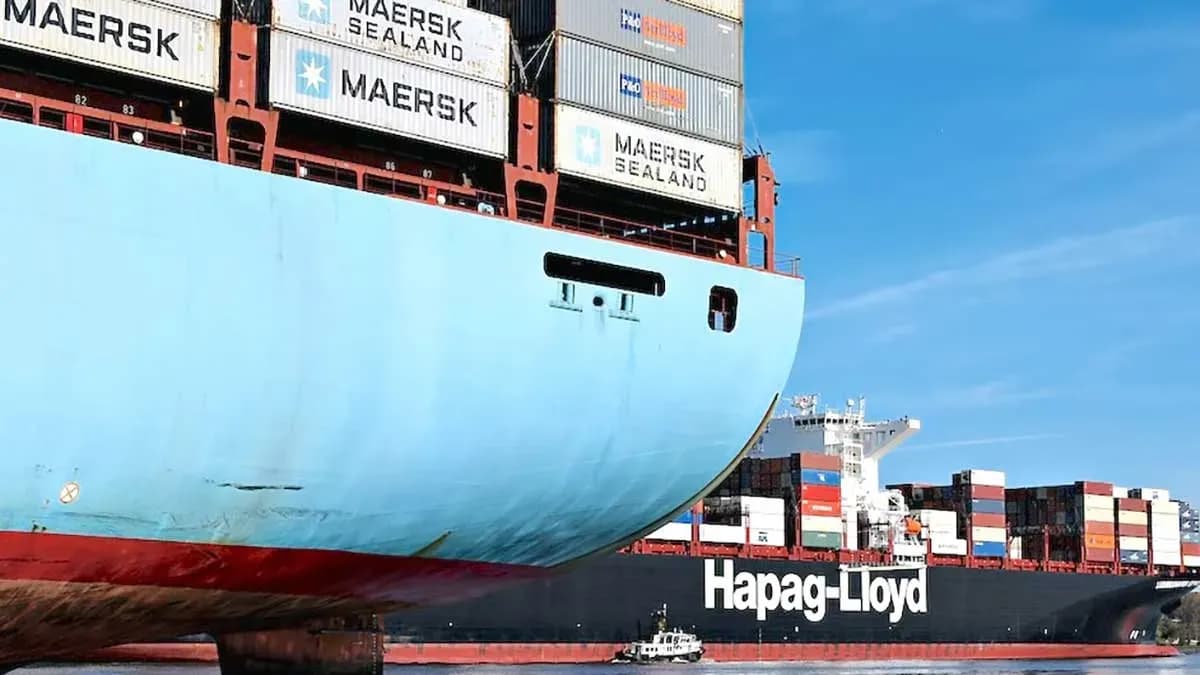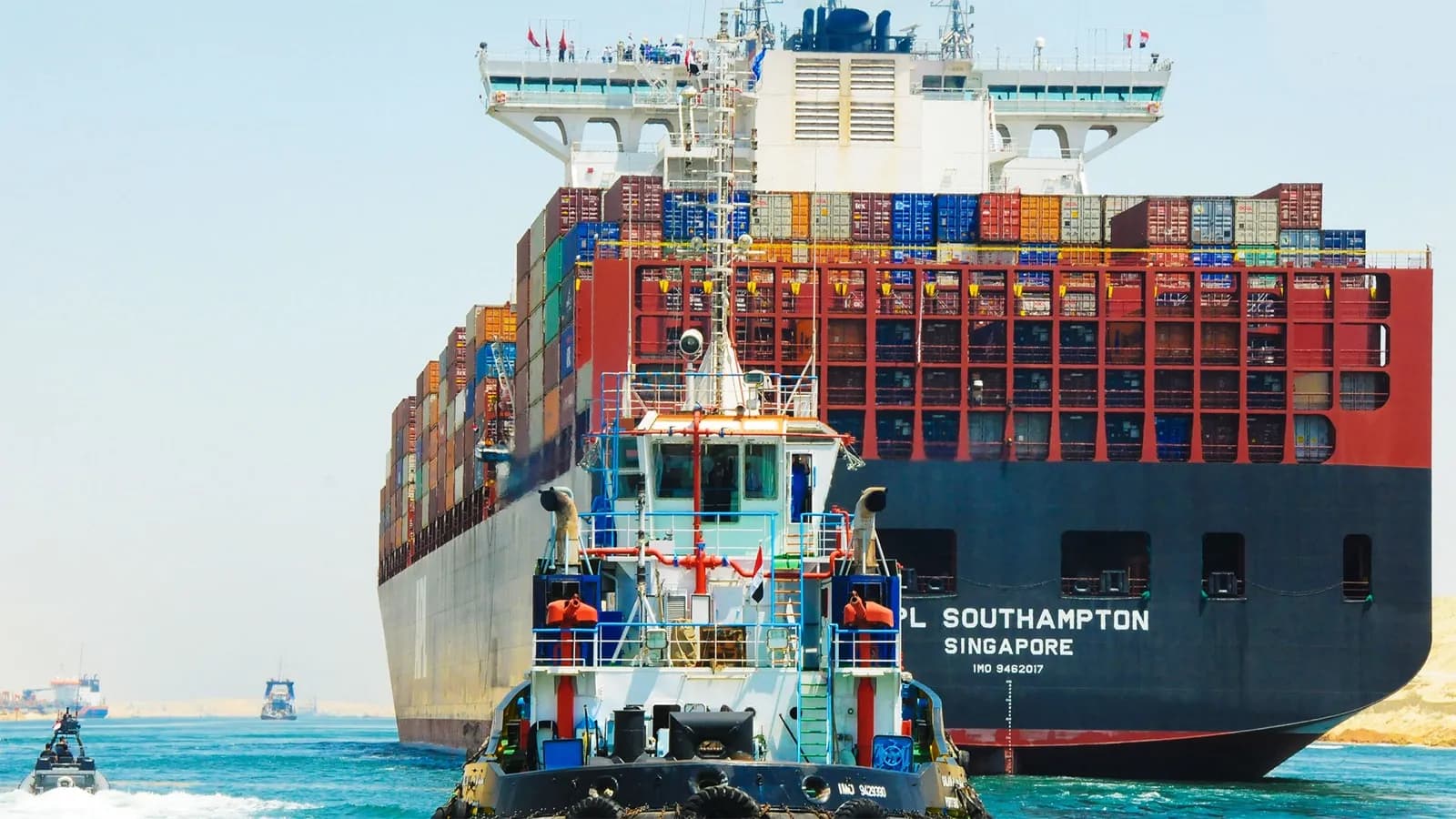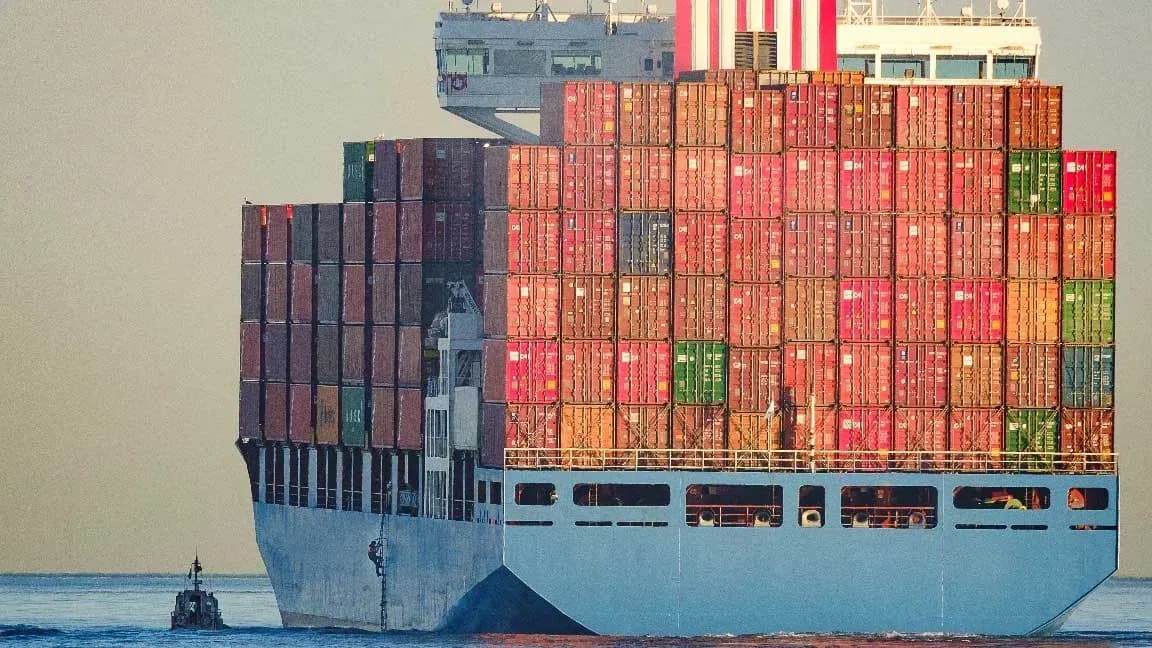
The container shipping capacity deployed on the main trade routes between Asia, Europe and North America reached record levels in October 2026, with forecasts indicating that high levels will continue throughout November. According to an analysis by maritime consultancy Sea-Intelligence, this trend is linked to delays accumulated in Asian port operations during the third quarter of the year, which have shifted some scheduled departures into the final months of the year.
The data compiled by the consultancy show a different trend from the one usually seen at this time of year. After China's Golden Week, shipping companies usually adjust the capacity offered on their maritime services in response to the seasonal decline in demand. However, in October and November 2026, the main east-west trade connections are showing capacity levels above the norm for this period.
On routes connecting Asia with Northern Europe, average weekly capacity has exceeded 350,000 TEUs, while services between Asian ports and the Mediterranean have recorded more than 260,000 TEUs per week. Both maritime corridors are above the levels observed during the same period in 2025, when disruptions to itineraries caused by the Red Sea crisis were already affecting shipping companies' schedules.
Longer maritime routes, resulting from vessels being diverted around the Cape of Good Hope, have increased the capacity required to maintain the frequency of regular services. However, Sea-Intelligence identifies an additional increase in scheduled capacity during October and November, exceeding the figures recorded in the previous year.