The European Federation of Private Port Operators (FEPORT) has asked EU institutions to prioritize a mechanism based on cargo destination to prevent transshipment operations from shifting to ports outside the European Union, as part of the review of the maritime transport Emissions Trading System (EU ETS). The organization believes this system would protect the activity of European terminals without creating differences in treatment between ports or reducing incentives for shipping companies to decarbonize.
The proposal comes as European institutions examine various ways to prevent shipping companies from changing their routes or port calls in order to reduce costs associated with greenhouse gas emissions. FEPORT maintains that these measures must take into account the characteristics of international container traffic and, in particular, transshipment operations involving goods whose origin and destination are outside the EU.
The organization recalls that the first proposals to include international maritime transport in the EU ETS, presented in 2021, had already raised concerns among port operators about the possible diversion of traffic to facilities in third countries. The legislation adopted in 2023 included specific provisions for neighboring ports dedicated to container transshipment, whose calls are not considered port calls for certain purposes under the European emissions system.
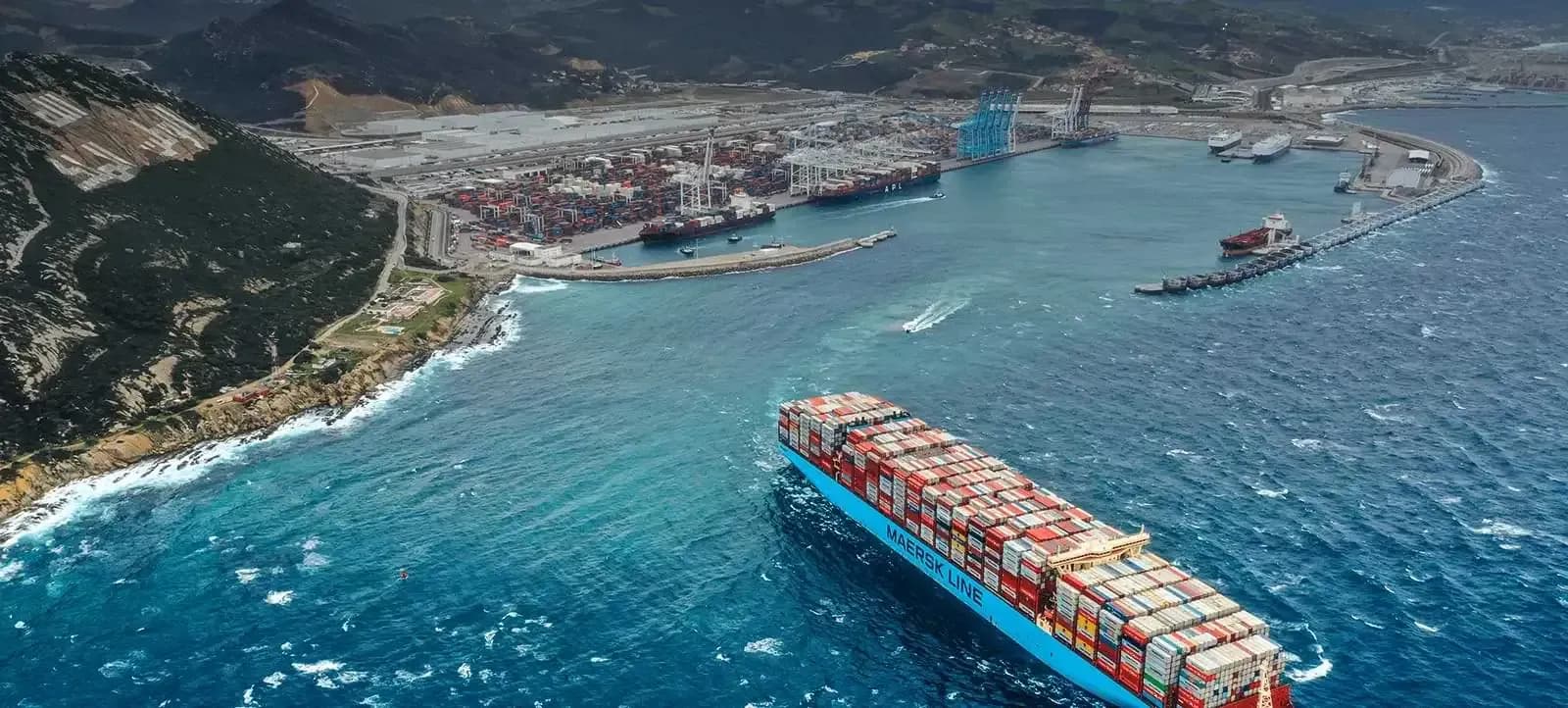
Under this mechanism, the European Commission identified Tanger Med in Morocco and East Port Said in Egypt as neighboring transshipment ports, in accordance with the criteria established in EU legislation. These requirements include a transshipment share exceeding 65% of total container traffic and a location less than 300 nautical miles from an EU port.
Three alternatives to reduce the risk of circumvention are currently under consideration as part of the regulatory review. The first proposes gradually reducing surrender obligations for emissions allowances according to the distance sailed between an EU port and a port in a third country. The second considers granting exemptions to certain European ports based on their exposure to international competition. The third proposes applying reductions linked to the share of transported transshipment containers that are not destined for the EU market.
FEPORT Secretary General Lamia Kerdjoudj has expressed the organization's reservations about the first two alternatives. Regarding the distance criterion, she warns that it could incentivize shipping companies to reduce the number of calls on their services in order to access European ports from more distant facilities outside the EU.
Regarding specific exemptions, FEPORT believes they could create competitive differences between ports within the European Union itself. According to Kerdjoudj, these measures would also reduce the revenue Member States receive through the emissions trading system and lower shipping companies' financial obligations.
In contrast to these options, the federation supports the mechanism set out in Article 12.3-g of the EU proposal, which establishes reductions related to the composition of transported cargo.
The criterion supported by FEPORT focuses on the destination of containers, not the vessel's route or the ports included in its rotation. The organization therefore believes that protective measures would specifically target international transshipment traffic that is at greater risk of shifting to terminals outside the EU.
FEPORT has also called for the scope of this mechanism to be expanded to cover both inbound and outbound voyages to and from the European Union. In its previous proposals, the federation had suggested extending its application to vessels with capacities between 5,000 and 10,000 TEUs, in addition to the larger vessels initially covered.
The organization links this position to the role of major European transshipment hubs in international logistics chains. In this regard, it notes that port activity also plays a part in energy supply, military mobility, and the operation of industrial supply chains—issues that have gained greater prominence in EU policies in recent years.
The federation has asked European institutions to retain the structure of the anti-circumvention measures included in the Commission's proposal and avoid introducing other mechanisms whose effects on shipping routes and port competition it considers uncertain. FEPORT maintains that the EU ETS review must simultaneously address the risk of transshipment relocation, the protection of revenue associated with emissions allowances, and maritime transport's emissions-reduction obligations.