The global container shipping market will face increased pressure on the balance between supply and demand during 2027, according to BIMCO's forecasts, which highlights the rapid growth of the fleet and a potential progressive normalization of routes through the Suez Canal as major factors influencing the sector's evolution.
The association believes that operational disruptions and the growth recorded on major cargo routes contributed significantly in 2026 to absorbing a substantial part of the available capacity. Diversions around the Cape of Good Hope, restrictions affecting certain routes, and the reduced availability of some vessels in the Persian Gulf have increased tonnage needs.
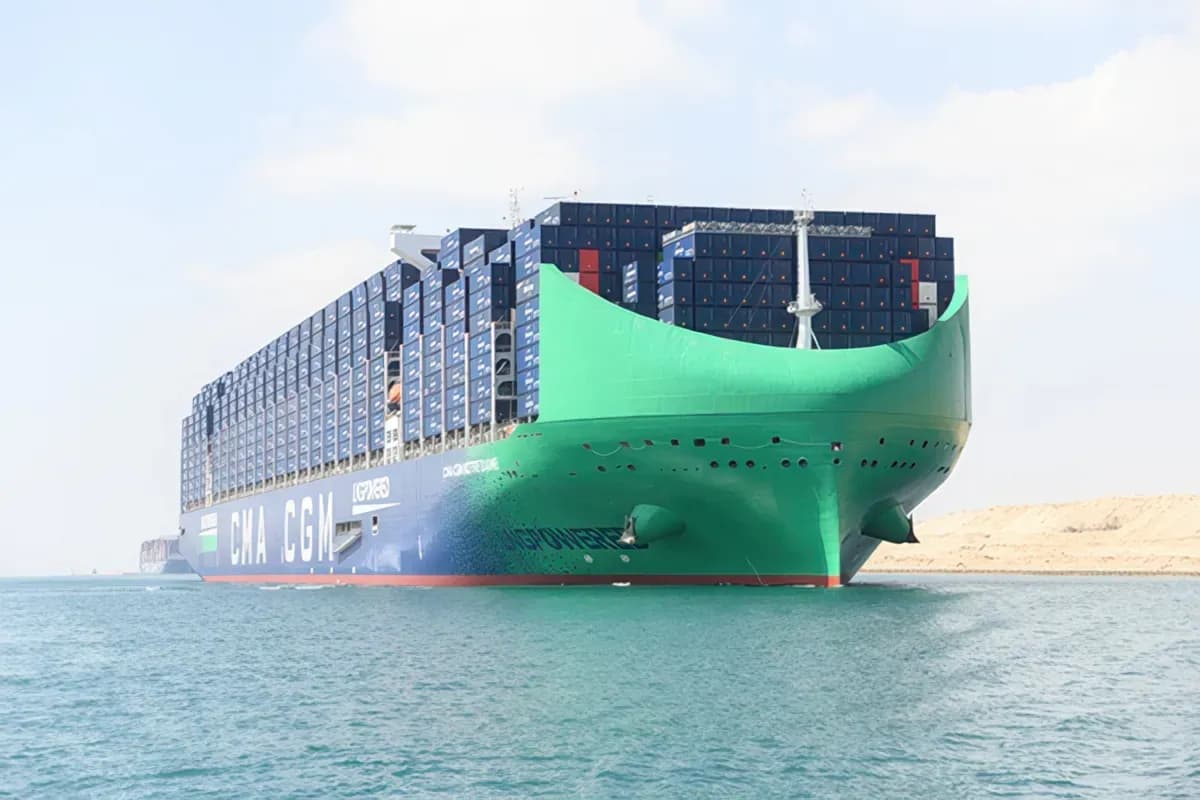
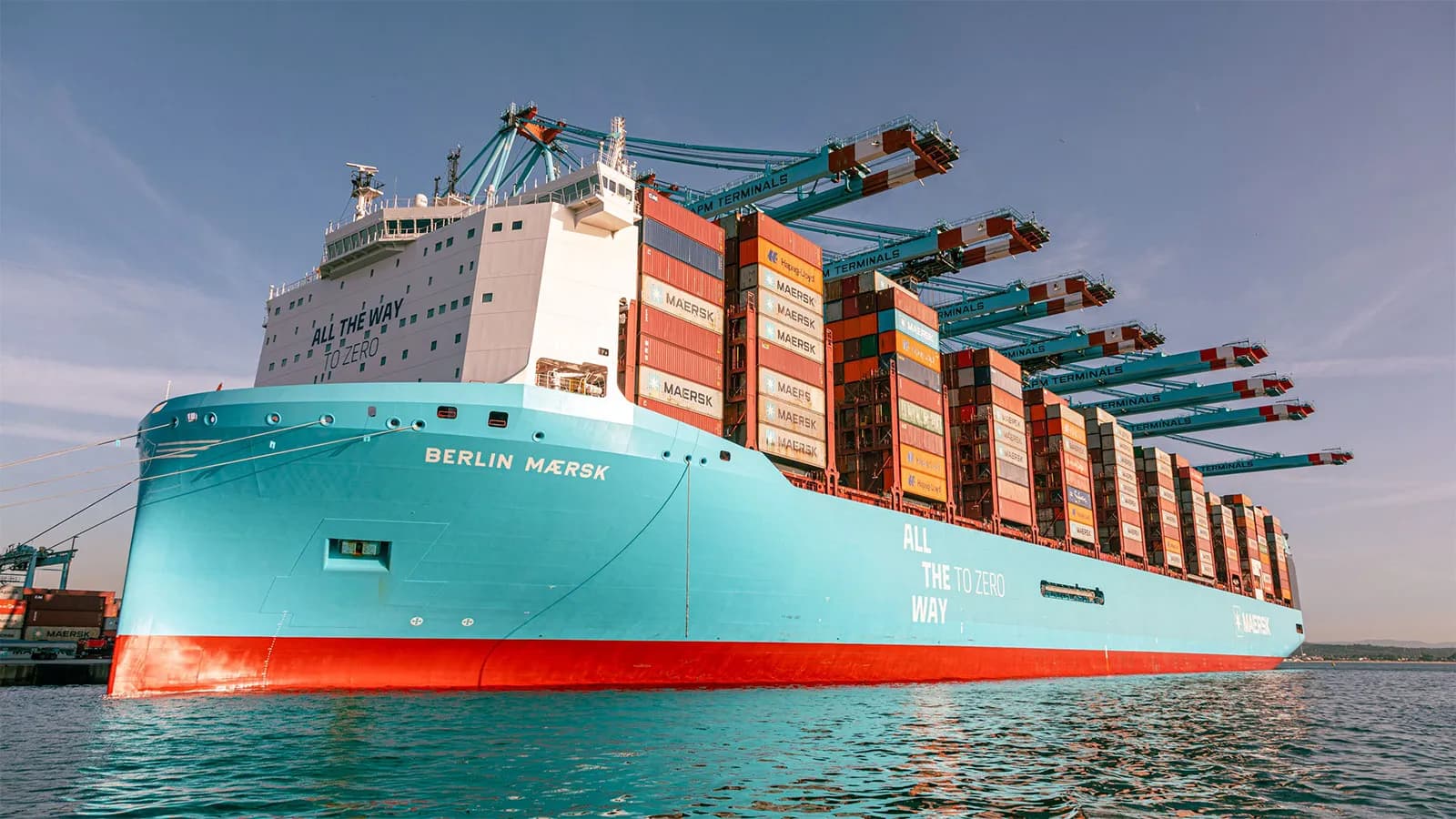
This situation coincides, however, with an expansion of the global fleet. The capacity of container ships has reached 34 million TEUs and the order book currently exceeds 14 million TEUs, a volume equivalent to approximately 42% of operational capacity.
BIMCO forecasts that fleet capacity will increase by 4.6% during 2026 and around 9% in 2027, driven by expected deliveries from shipyards and by low levels of vessel recycling. The association estimates that scrapping will be around 140,000 TEUs, while approximately 1.6 million TEUs of capacity corresponds to vessels over 25 years old.
The evolution of demand has so far allowed the absorption of part of this capacity increase. Global container volumes grew by 5.1% year-on-year during the first seven months of 2026. Main and regional traffic increased by 6.3%, while return movements remained unchanged, a distribution that has led to vessel demand growing at a faster rate than the total cargo volume.
Exports from East Asia and Southeast Asia accounted for more than half of the accumulated growth during this period. This behavior offset the decline recorded in traffic originating from or destined for South and West Asia, affected by disruptions resulting from the situation in the Middle East.
BIMCO identifies, however, several factors that could limit the evolution of demand. These include high energy prices and their impact on consumer confidence in the United States and the European Union, as well as the slowdown in retail sales growth in China.
One of the main elements for 2027 will be the evolution of routes through the Red Sea and the Suez Canal. Some shipping lines have started to restore services through this corridor after a prolonged period of diversions around the Cape of Good Hope.
According to BIMCO's calculations, a gradual normalization of Suez routes during 2027 could reduce the growth of vessel demand by about five percentage points compared to current forecasts. A complete recovery of traditional routes could place capacity demand approximately 10% below the level that would be necessary if diversions around the Cape of Good Hope continued to be the predominant option.
The association also considers two scenarios related to the Strait of Hormuz. The first assumes that transit restrictions will remain in place throughout 2027, with consequences for energy supply, oil prices, and global economic growth. The second assumes a recovery of normal navigation conditions through the strait.
In both scenarios, BIMCO estimates that the effective supply of vessels will grow more rapidly than demand during 2027. Their estimates place supply growth between approximately 5% and 6%, while demand could grow between 0.5% and 2.5% if restrictions in Hormuz continue and between 2.5% and 4.5% if transit normalizes.
BIMCO's chief maritime transport analyst, Niels Rasmussen, notes that although the balance between supply and demand improved during 2026, the increase in available capacity may modify this situation during the next period, especially if the recovery of routes through Suez reduces vessel needs.