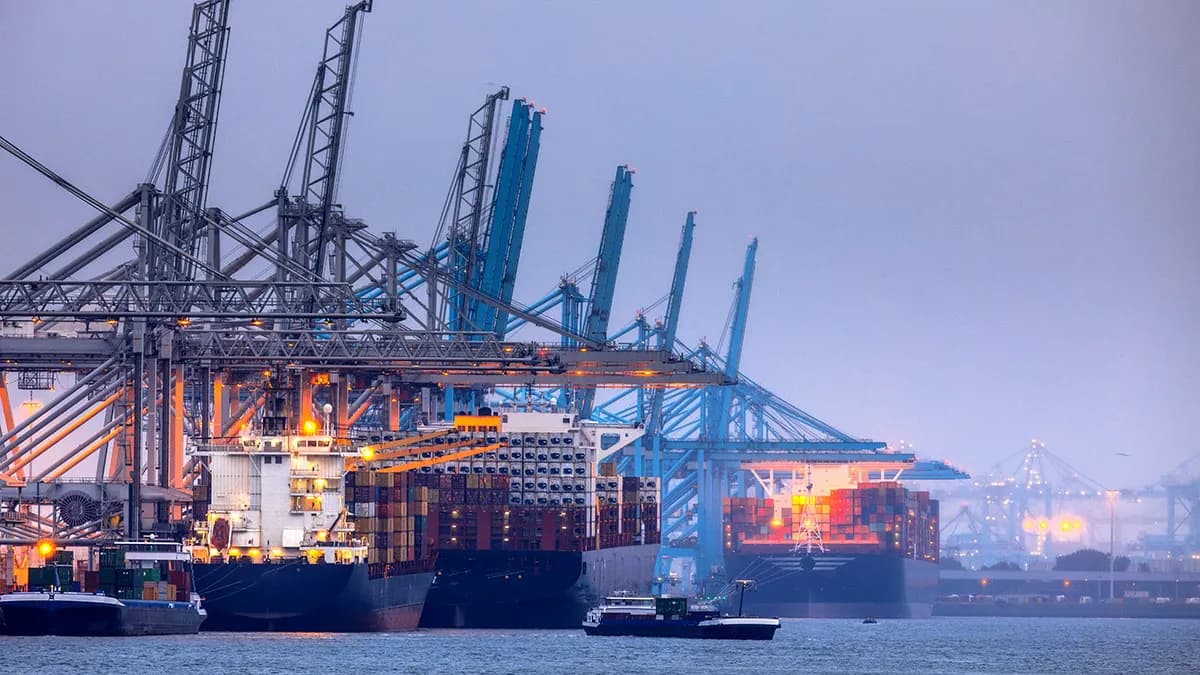
The Port of Rotterdam closed the first nine months of 2026 with traffic totaling 323.2 million tonnes, representing an increase of 0.9% compared with the same period last year. Container volumes remained virtually stable, at 10.751 million TEUs, up 0.1%, although transshipment activity fell by 20%, according to figures published this Friday by the Port of Rotterdam Authority.
Container traffic trends differ between transshipment operations and cargo movements originating or ending inland. While volumes measured in tonnes fell by 2.2%, container traffic linked to the hinterland increased by 7.2%, driven mainly by growth in imports.
In particular, inbound full containers increased by 8.9%, while exports rose by 1%, following a period of contraction. This difference between the two trade flows has led to an increase in the number of empty containers transported.
The Port Authority attributes the decline in transshipment to capacity constraints that have long affected deep-water container terminals. As a result, some cargo is being handled through other ports, freeing up capacity in Rotterdam for inland and river traffic serving the European hinterland.
Overall, the growth in port traffic during the first three quarters of the year was mainly related to coal, other dry bulk cargo, crude oil and petroleum products. By contrast, movements of iron ore, scrap metal, agribulk, liquefied natural gas and general cargo declined.
Dry bulk cargo grew by 2.1%, with coal traffic up 15.3% and other dry bulk cargo up 15%. In contrast, movements of iron ore and scrap metal fell by 5.9%, despite a 6% increase in German steel production. Agricultural bulk cargo also declined by 11.4%.
The Port Authority links part of this trend to low water levels in European rivers, which have increased transport costs and limited the supply of raw materials. It also notes that coal growth reflects both the recovery in demand from the steel industry and higher consumption for power generation.
Meanwhile, liquid bulk cargo increased by 3.1%, with crude oil volumes up 2.1%. Exports of petroleum products rose by 31.9%, while imports fell by 6.9%. Liquefied natural gas traffic declined by 0.2%, and other liquid bulk cargo fell by 3.8%.
General cargo traffic fell by 1.4%. Ro-ro cargo operations grew by 0.7%, while other general cargo declined by 10.2%, reflecting the state of European manufacturing, particularly in the machinery and automotive sectors.
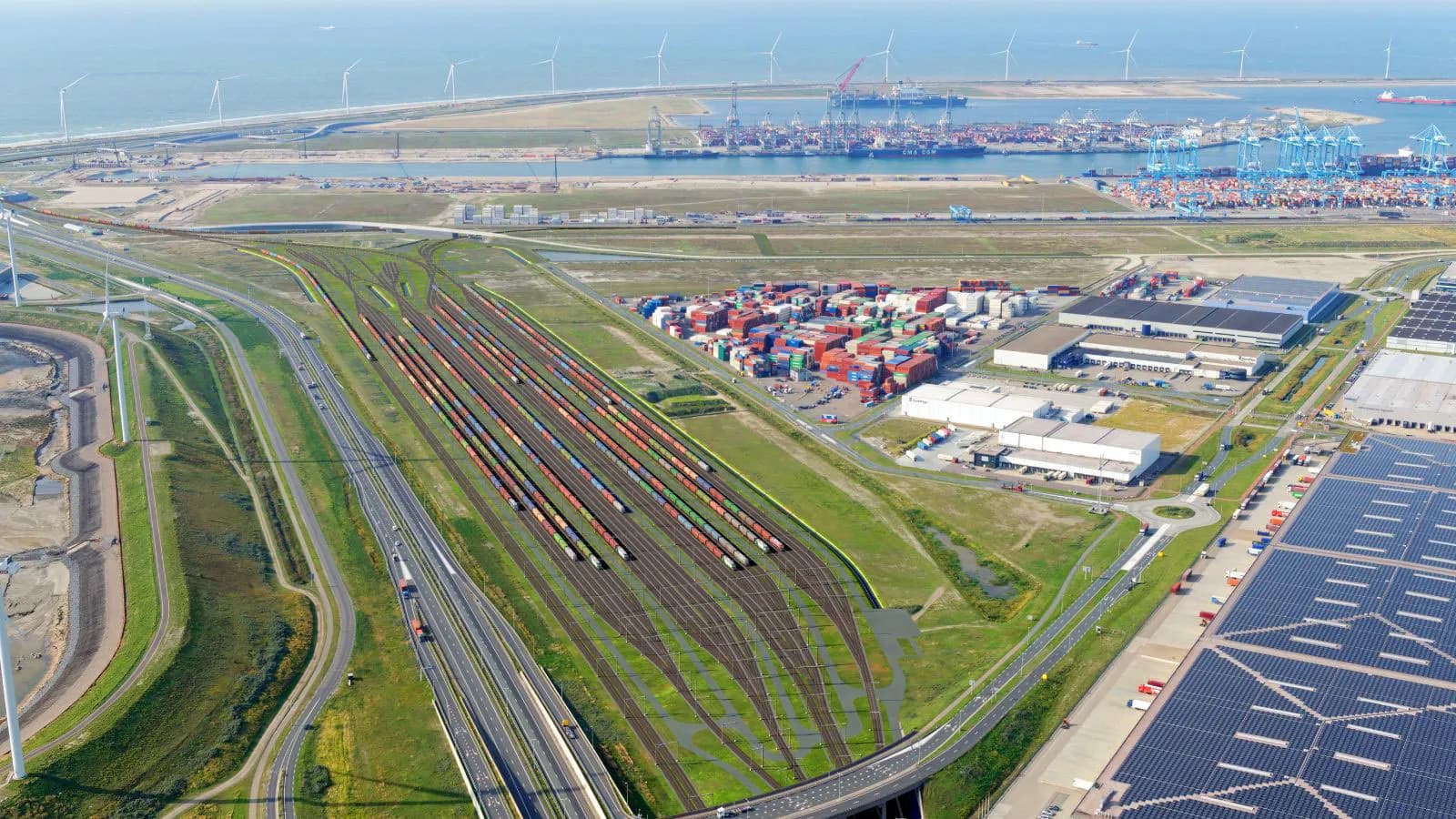
Boudewijn Siemons, CEO of the Port of Rotterdam Authority, said the results reflect the port’s adaptation to changes in trade and energy flows. He also stressed the need to maintain investment in rail, road and inland waterway connections to the European hinterland, given the importance of this infrastructure for supply and logistics chains.