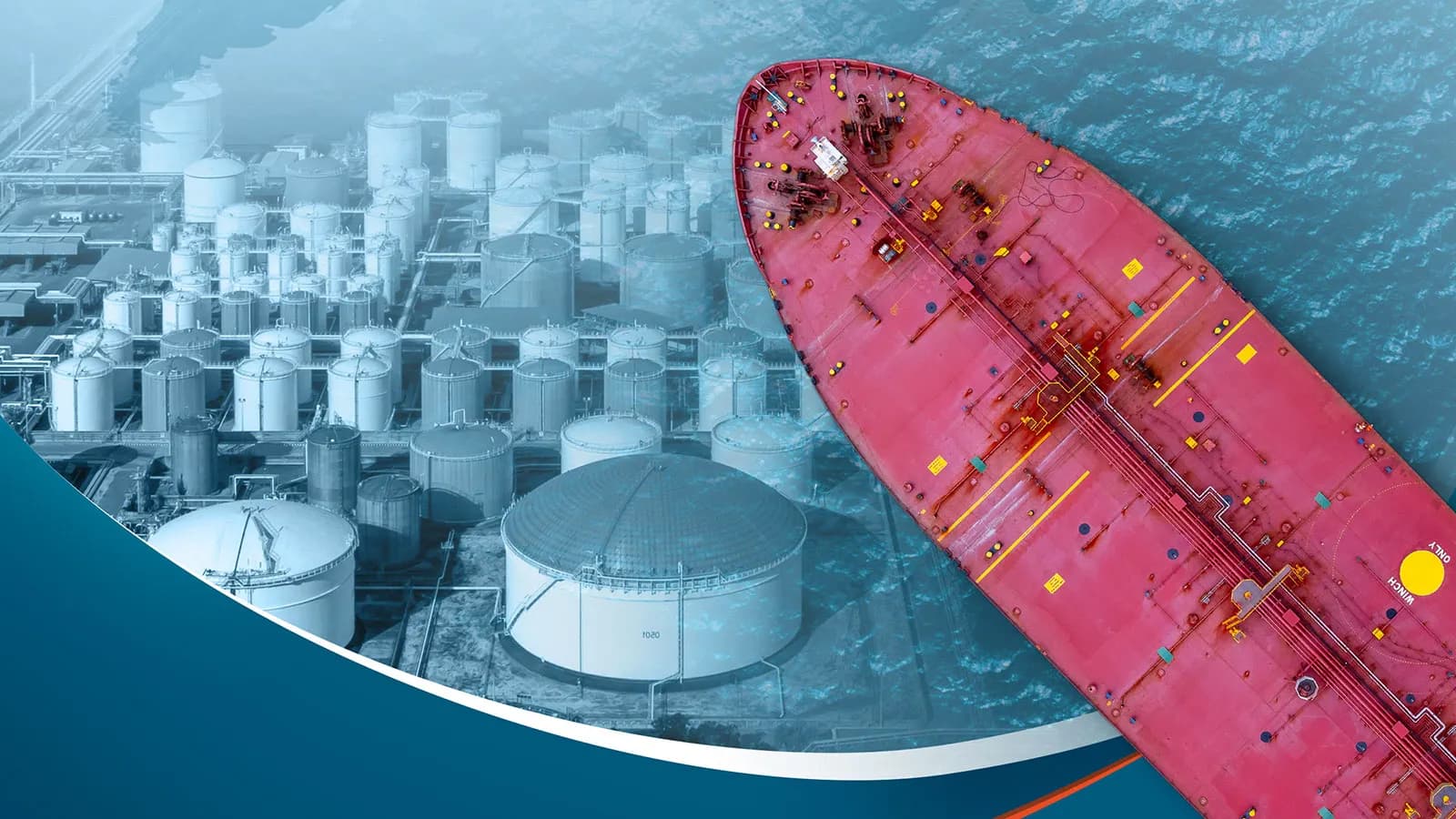
The CMA CGM shipping group has signed two agreements to develop the production and supply of biomethane for maritime transport in France and Singapore. The initiatives include the construction of a production facility in the industrial and port area of Le Havre and the study of solutions to use Singapore’s existing liquefied natural gas (LNG) infrastructure to supply this fuel to ships.
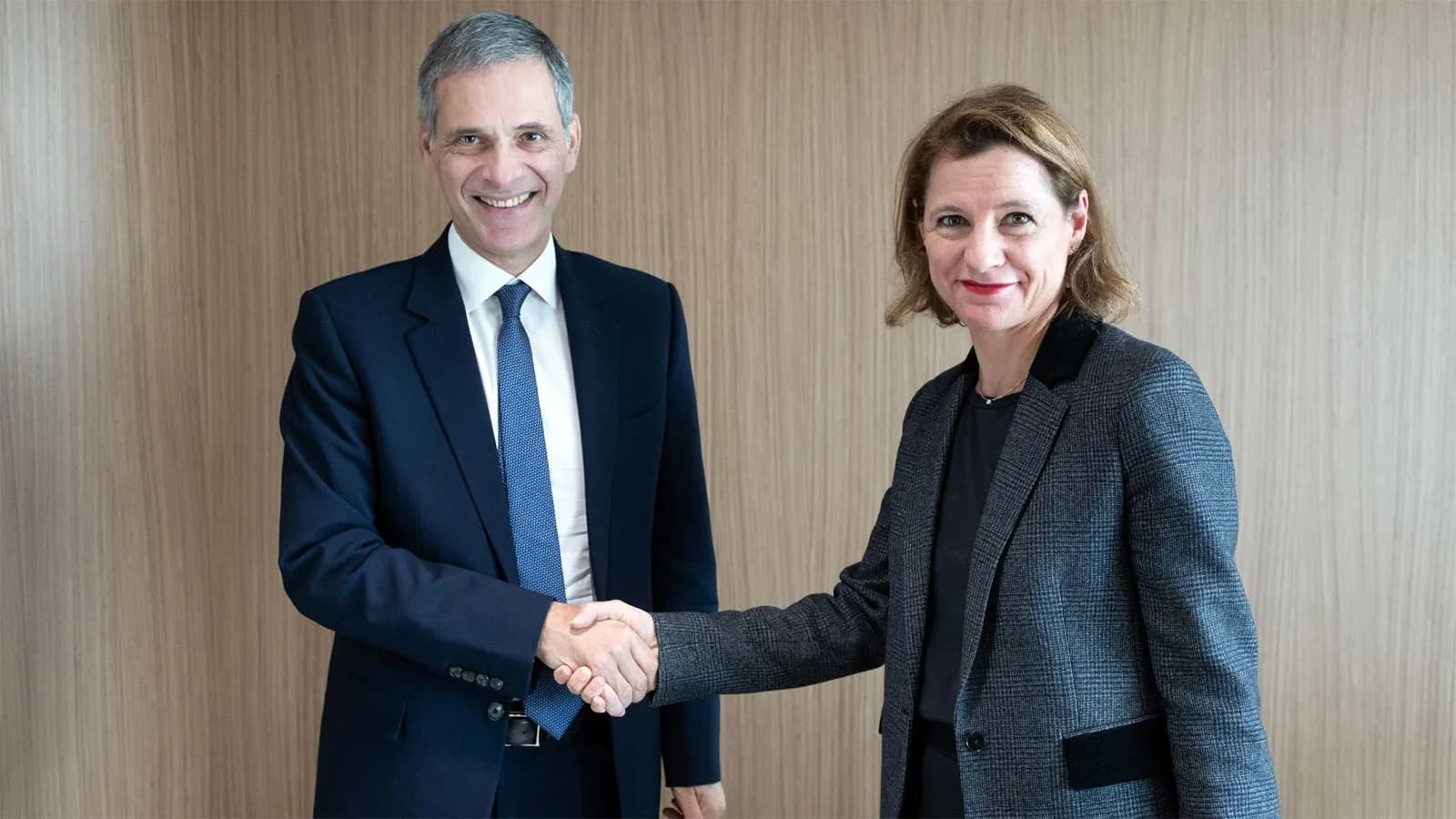
In France, CMA CGM and energy group ENGIE have signed a framework agreement to develop a biomethane plant with an annual production capacity of 7,000 tonnes, equivalent to 100 GWh. The facility is expected to begin supplying fuel to the shipping company’s fleet between 2029 and 2030, although its construction remains subject to a final investment decision.
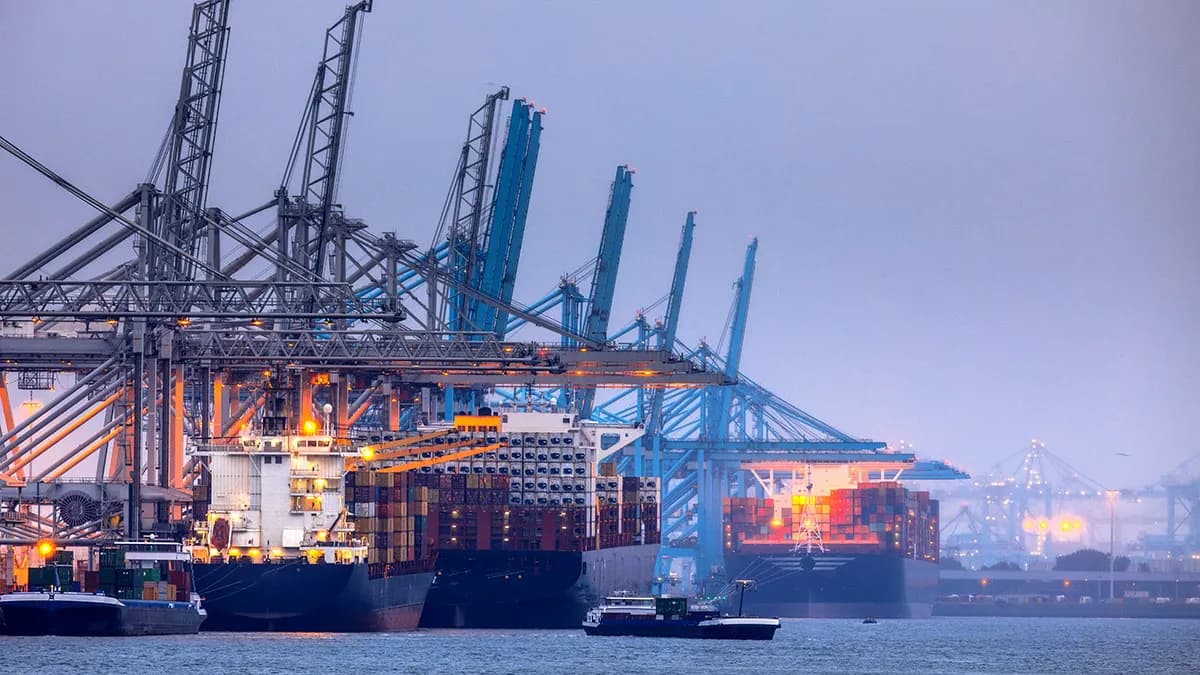
The project will be located in the industrial and port area of Le Havre and will use livestock waste, household biowaste and agricultural residues as feedstock. The biomethane produced will be supplied to CMA CGM ships through the European gas network, using a certified mass-balance system.
According to estimates by both companies, the facility will enable around 23,000 tonnes of CO₂ emissions to be avoided annually. Over its lifecycle, the fuel can reduce greenhouse gas emissions by at least 67% compared with conventional marine fuels and can be used in LNG-powered vessels without modifying their engines or existing supply infrastructure.
ENGIE will oversee the project’s technical development, including engineering studies and permit applications, and will be responsible for its construction and operation if a final investment decision is made. CMA CGM, for its part, will participate as a minority shareholder through PULSE, its investment fund dedicated to energy technologies and infrastructure.
The facility is also expected to produce 100,000 tonnes of digestate, an organic material that can be used as agricultural fertilizer, as well as recover 13,000 tonnes of biogenic CO₂ for commercial sale.
This agreement is part of the collaboration launched in 2021 between CMA CGM and ENGIE to develop energy alternatives for maritime transport. The energy company aims to reach an annual biomethane production capacity of 10 TWh in Europe by 2035.
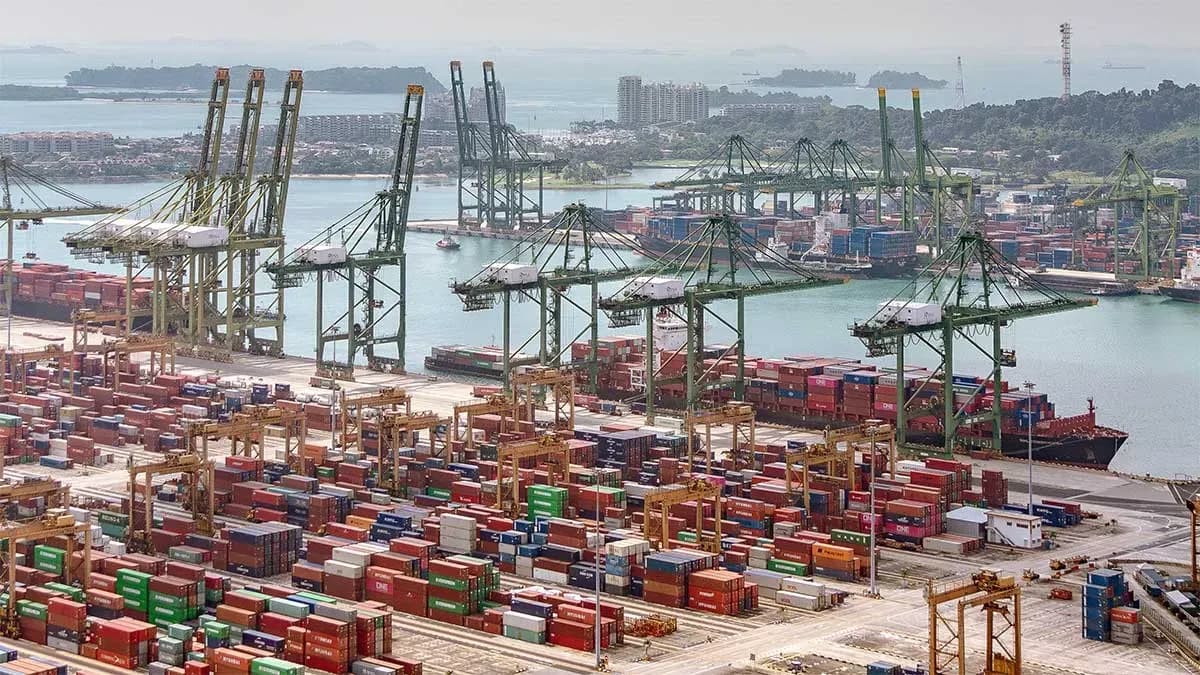
In parallel, CMA CGM has signed a memorandum of understanding with the Maritime and Port Authority of Singapore (MPA) and Singapore LNG Corporation (SLNG) to study the supply and use of liquefied biomethane as a marine fuel at the Asian port.
The agreement includes an analysis of the opportunities offered by existing gas infrastructure to handle the storage, certification and supply of liquefied biomethane. The three entities will also examine the procedures needed to account for sustainability attributes and emissions reductions when this fuel is blended with natural gas in shared infrastructure.
The collaboration includes the development of pilot projects and operational trials to test these solutions under real operating conditions. The results will be used to assess their application to supplying liquefied biomethane to ships operating in Singapore.
For this project, the MPA will contribute its regulatory and maritime industry development expertise, while CMA CGM will contribute its experience in maritime transport and logistics. SLNG will provide its facilities and technical capabilities related to LNG. The Singaporean company is certified under the International Sustainability and Carbon Certification EU (ISCC EU) system for the handling of liquefied biomethane.
Both initiatives are part of CMA CGM’s energy strategy, which retains the goal of achieving net-zero carbon emissions from its operations by 2050. According to the group’s projections, more than 200 dual-fuel vessels capable of using biomethane, biomethanol and synthetic fuels will have joined its fleet by 2030.