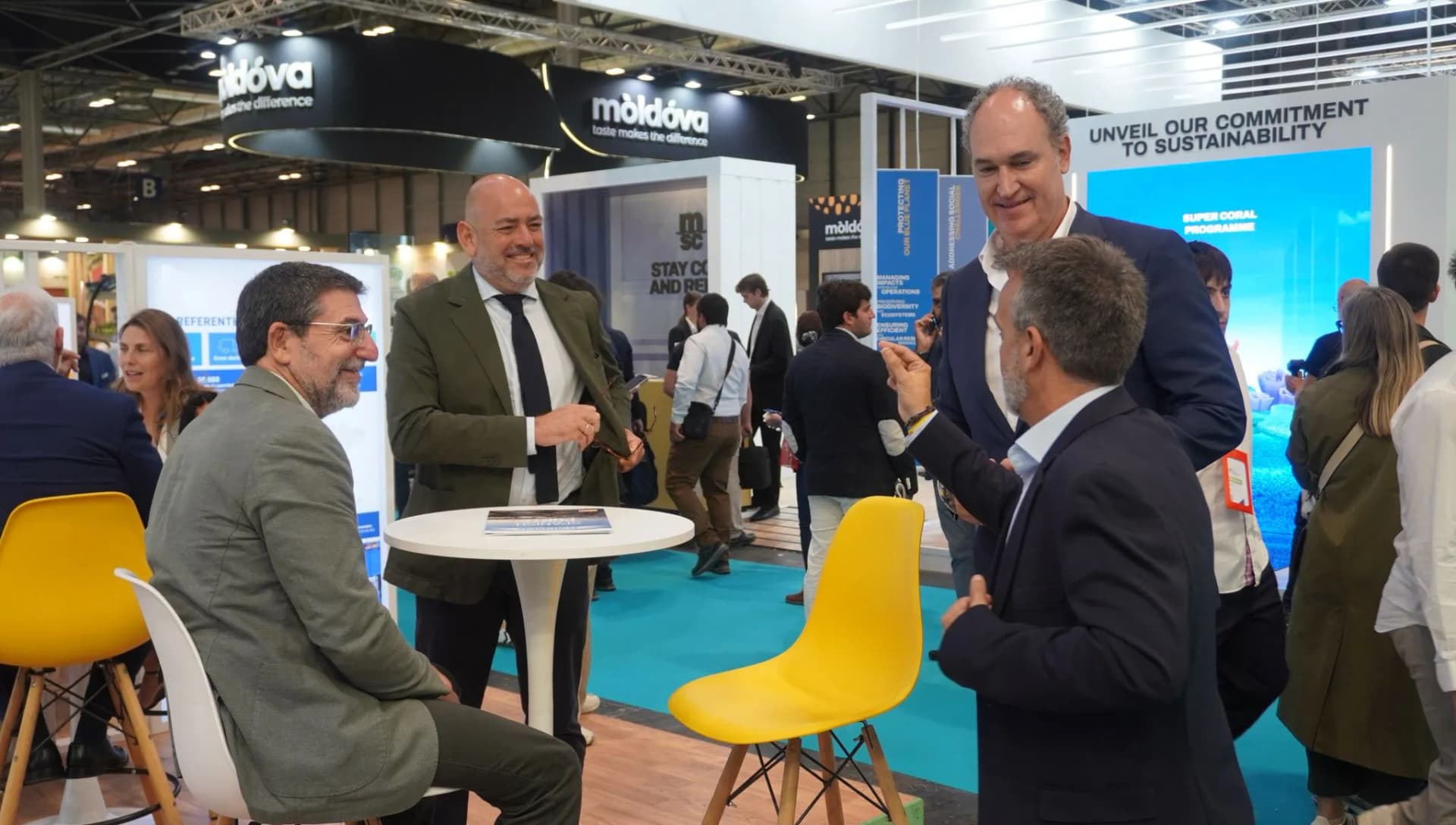
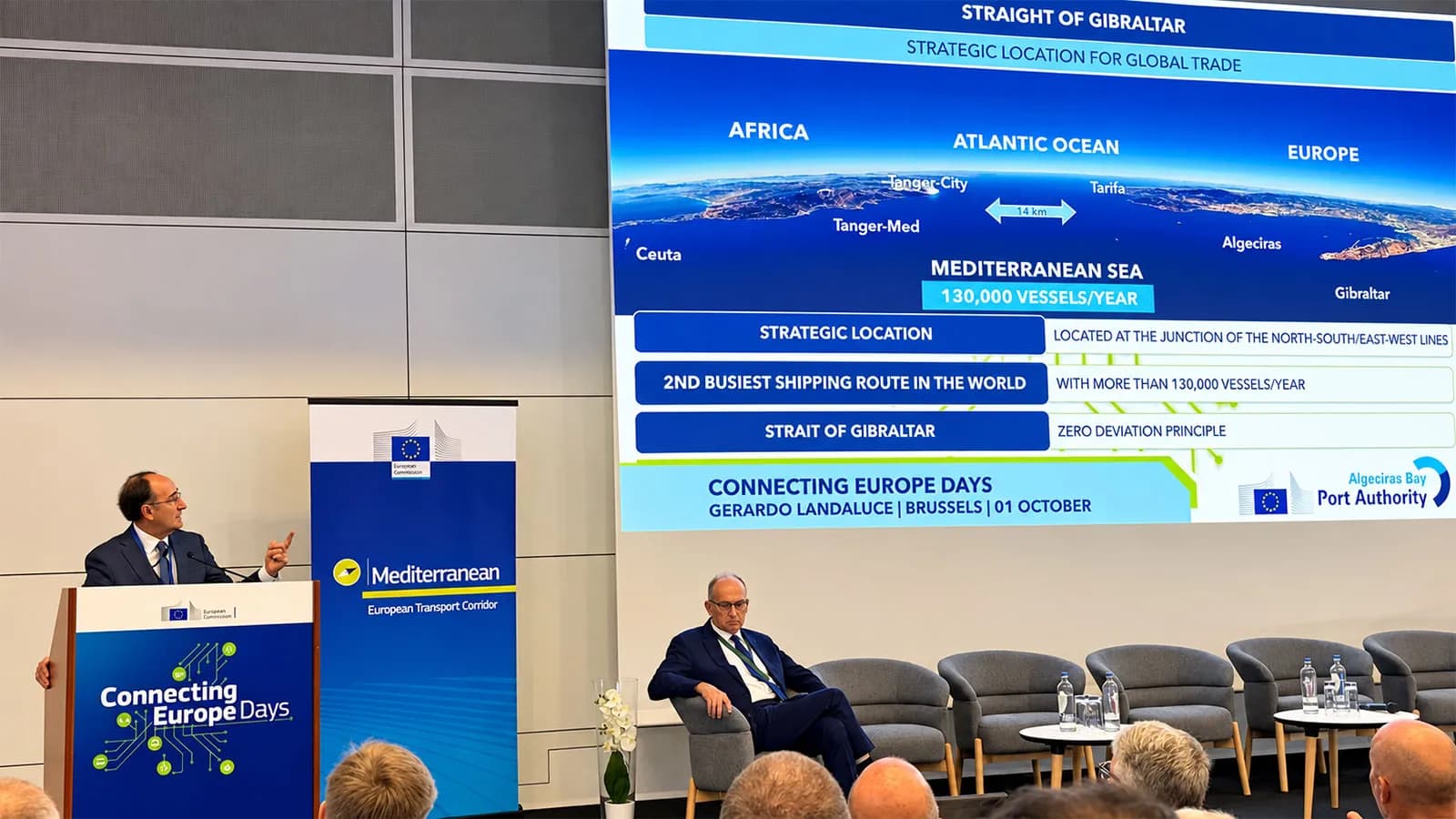
The Port of Algeciras has recently received a visit from a delegation of the Corporation of Producers and Exporters of Hass Avocado from Colombia (Corpohass), led by its Projects Director, Betsy Bermúdez, to learn about the port facilities and the logistics services available for the transportation of perishable products. The visit takes place in a context where Colombian exporters use Algeciras as one of their main access routes to the European market, alongside the Dutch port of Rotterdam.
According to the data shared during the meeting, Algeciras and Rotterdam jointly channel 80% of the Colombian avocado shipments destined for Europe. The use of the Andalusian port has allowed producers to diversify their export routes, previously concentrated in Rotterdam, and have another alternative to introduce their goods into the European market.
The Corpohass delegation has toured various facilities at the Port of Algeciras, including the container terminals and the Border Control Post (PCF), where they have been able to learn about the procedures associated with the reception and control of plant-based goods from third countries.
The visit included a working session on refrigerated logistics held at the Port Authority of the Bay of Algeciras (APBA), with the participation of representatives from the port authority, the PCF, ICEX Spain Export and Investments, and the Transit Association.
During the meeting, the characteristics of maritime transportation of refrigerated goods, the logistics needs of the horticultural sector, and the role of port facilities in the distribution of perishable products to consumer markets have been examined.
The Colombian representatives have conveyed their assessment of the services offered by the Port of Algeciras for the reception of their exports, especially regarding maritime connectivity and the operation of goods.
«For us, Algeciras is strategic, it is an agile port, and now we export through here what previously only arrived in Europe via Rotterdam,» the exporters stated during their visit.
This modification of the routes used by Colombian producers places Algeciras within a logistics chain that connects the production areas of Hass avocado in Colombia with European markets. The activity requires coordination among exporters, shipping companies, port operators, freight forwarders, and border inspection services.
One of the issues addressed during the day was the operation of the cold chain, a necessary element for the international transport of perishable agricultural products. In the case of avocado, the preservation conditions during the maritime journey and the operations after arrival at the port are part of the logistical requirements that operators must meet.
The transportation by refrigerated containers allows maintaining the established temperature conditions for the goods during their movement. Upon arrival at the destination port, the cargo must continue its process of reception, control, and distribution, in accordance with the procedures applicable to the importation of plant-based products.
In this area, the Border Control Post of the Port of Algeciras has been a focus of the technical visit. The representatives of Corpohass have learned about the facilities designated for official controls of goods and the particularities of its operation concerning perishable products.
Imports of fruits from non-European Union countries are subject to the controls established by community regulations, including applicable phytosanitary requirements. These procedures are part of the necessary operations for the entry of goods into European territory.
The session has also allowed examining the role of the different agents involved in the management of refrigerated loads. Freight forwarders intervene in the organization of transportation and in the coordination of logistical procedures, while inspection services carry out the necessary controls on goods subject to border supervision.
Another issue addressed has been the commercial importance of Hass avocado both for Colombia, as a producing and exporting country, and for Spain, which is one of the markets consuming this fruit within Europe.
The Colombian delegation has paid special attention to the connectivity of the Port of Algeciras, a characteristic that exporters consider relevant for organizing their international operations. The availability of maritime services and the possibility of using different routes are part of the factors involved in planning shipments to European markets.
The activity related to the transportation of refrigerated products from Ibero-America also constitutes one of the commercial areas in which the Port Authority of the Bay of Algeciras works, along with the companies in its port community.
In this context, the visit of Corpohass has allowed Colombian exporters to directly learn about the operation of the terminals and border control services, as well as to maintain contacts with the entities involved in the transit of agri-food products through the port facility.
The meeting focused on the logistical conditions for the entry of Colombian avocado into Europe, the use of the Port of Algeciras as an alternative to Rotterdam, and the procedures that accompany transportation, inspection, and distribution of perishable goods.