The Federal Maritime Commission of the United States (FMC) has proposed imposing a fee of 200,000 dollars per call on Spanish-flagged ships entering US ports, as well as restrictions on the importation of certain products from Spain. The measures respond to the conclusions of an investigation initiated in December 2024 regarding the Spanish authorities' refusal to allow certain American ships related to the transportation of goods to Israel into their ports.
The US regulatory agency announced this Wednesday, October 14, that its investigation has found evidence that, in its view, demonstrates that Spain has established unfavorable conditions for ships under the American flag in international maritime trade. The FMC believes that restrictions on access to Spanish port facilities have affected the activity of these vessels and their participation in certain trade routes.
The proposal includes two types of measures. The first consists of establishing a fee of 200,000 dollars for each entry of a ship registered under the Spanish flag into a US port. The second includes limitations on imports of Spanish products belonging to five commercial categories: perfumery and cosmetics, oils and fats, ceramic products, stone articles, and sugar and confectionery products.
The document published by the FMC notes that these restrictions could apply generally to the identified categories or be limited to certain products. The agency keeps various possibilities open and will determine the scope of the measures after analyzing the observations it receives during the public consultation process.
The investigation originates from events recorded in November 2024, when several ships linked to the Maritime Security Program (Maritime Security Program, MSP) of the United States Maritime Administration (MARAD) encountered restrictions accessing Spanish ports for carrying goods related to Israel.
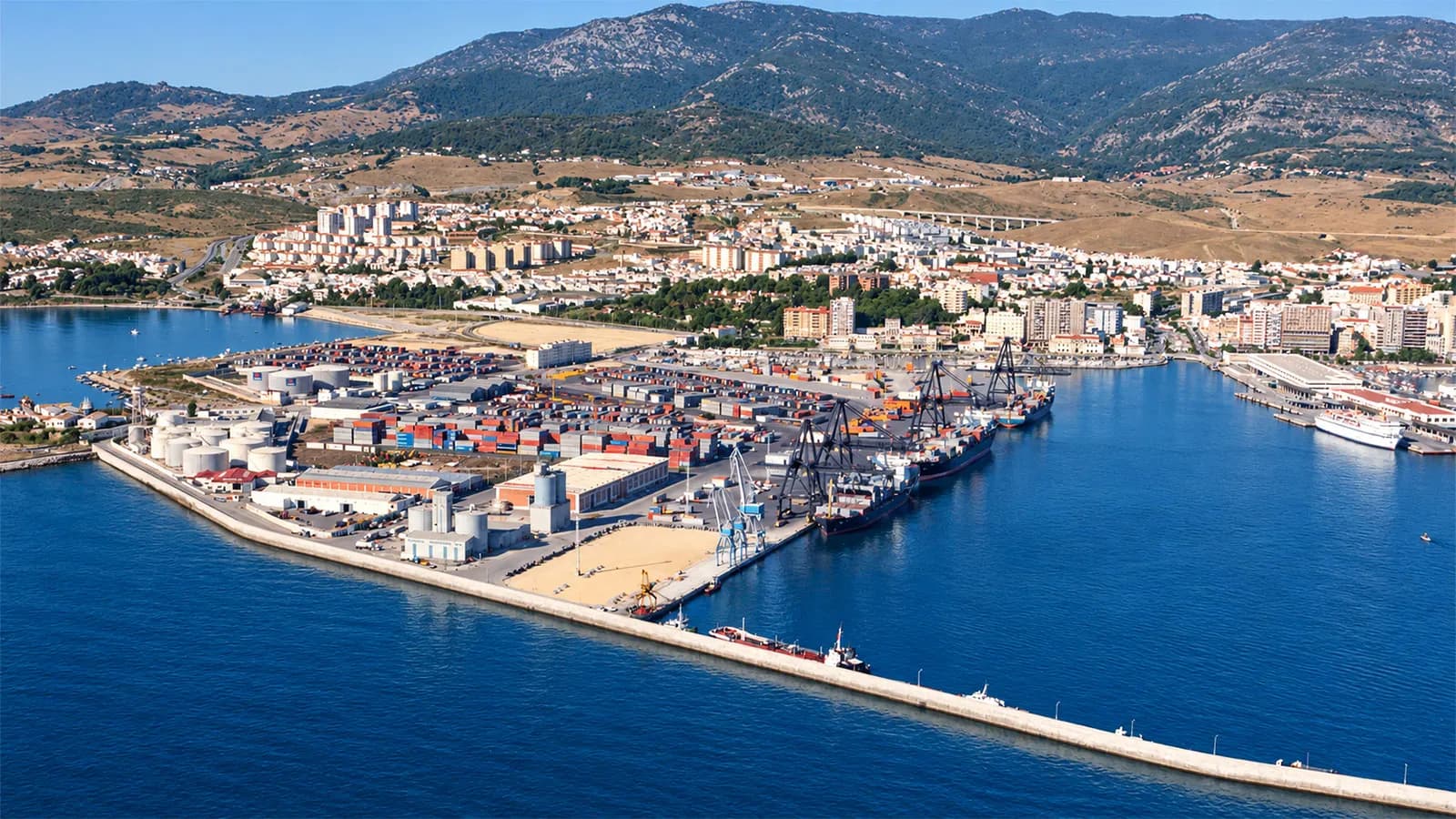
Among the vessels examined are the Maersk Seletar, the Maersk Denver, and the Maersk Hartford, all of which are included in the US maritime security program. According to FMC documentation, the first two ships were scheduled to call in Algeciras but altered their destinations during the Atlantic crossing and ended up stopping in Tangier, Morocco.
The record also reports that the Maersk Hartford, which was scheduled to make a stop in a Spanish port in November 2024, similarly changed its route to Morocco.
The FMC argues that these decisions have continued to affect the subsequent movements of the Maersk Line Limited fleet, whose ships are registered under the American flag and participate in the MSP program.
According to maritime tracking data incorporated into the investigation, the calls of this fleet at Spanish ports have decreased from an average of 7.25 monthly before November 2024 to six visits during 2026, while operations in Tangier have recorded an average of 4.17 calls per month. The agency relates this alteration of itineraries to Spain's policy of port restrictions.
In its analysis, the FMC considers that these actions affect the efficiency and reliability of international maritime transport chains, as well as the ability of American ships to participate in commercial operations with origins or destinations in Spain.
The agency also links its findings to the objectives of maintaining the US merchant marine and with the availability of a fleet that can meet commercial and national security needs.
For its part, the Spanish Government defended during the procedure initiated in 2024 that its actions were in compliance with Spanish, European, and international legislation regarding the transit of defense material and dual-use products. Spain also stated that restrictions were not applied based on the flag or origin of the ships, and suggested that the issue should be addressed through a diplomatic solution.
The FMC has included these arguments in its record, although it believes that they do not change its conclusions regarding the effects of the restrictions on American maritime transport.
Regarding possible trade limitations, the proposal identifies several Spanish exporting sectors. According to the data used by the commission, the United States imported Spanish products worth 1.15 billion dollars in 2025 in the category of oils and fats, of which 836.9 million corresponded to olive oil and its fractions.
Imports of perfumery, cosmetics, and related products reached approximately 940 million dollars, while purchases of ceramic products amounted to 634.7 million. These amounts are supplemented by 270.6 million in stone articles and related materials, and 138.8 million in sugar and confectionery products.
These amounts correspond to the commercial value of the examined categories and do not constitute an estimate of the losses that could arise from implementing the restrictions.
The FMC has opened a public consultation process to gather information on the effects that the proposed measures would have on maritime transport and trade exchanges. The document is scheduled for publication in the US Federal Register on October 15 and provides a 60-day period following its publication for submitting observations.
The agency has also communicated that it will offer Spain the opportunity to request a hearing in the procedure. The final resolution must determine whether to adopt the proposed fees and trade restrictions, whether to modify their scope, or whether to opt for other measures.
For now, the fees of 200,000 dollars and the limitations on Spanish imports are regulatory proposals and not sanctions that have taken effect.