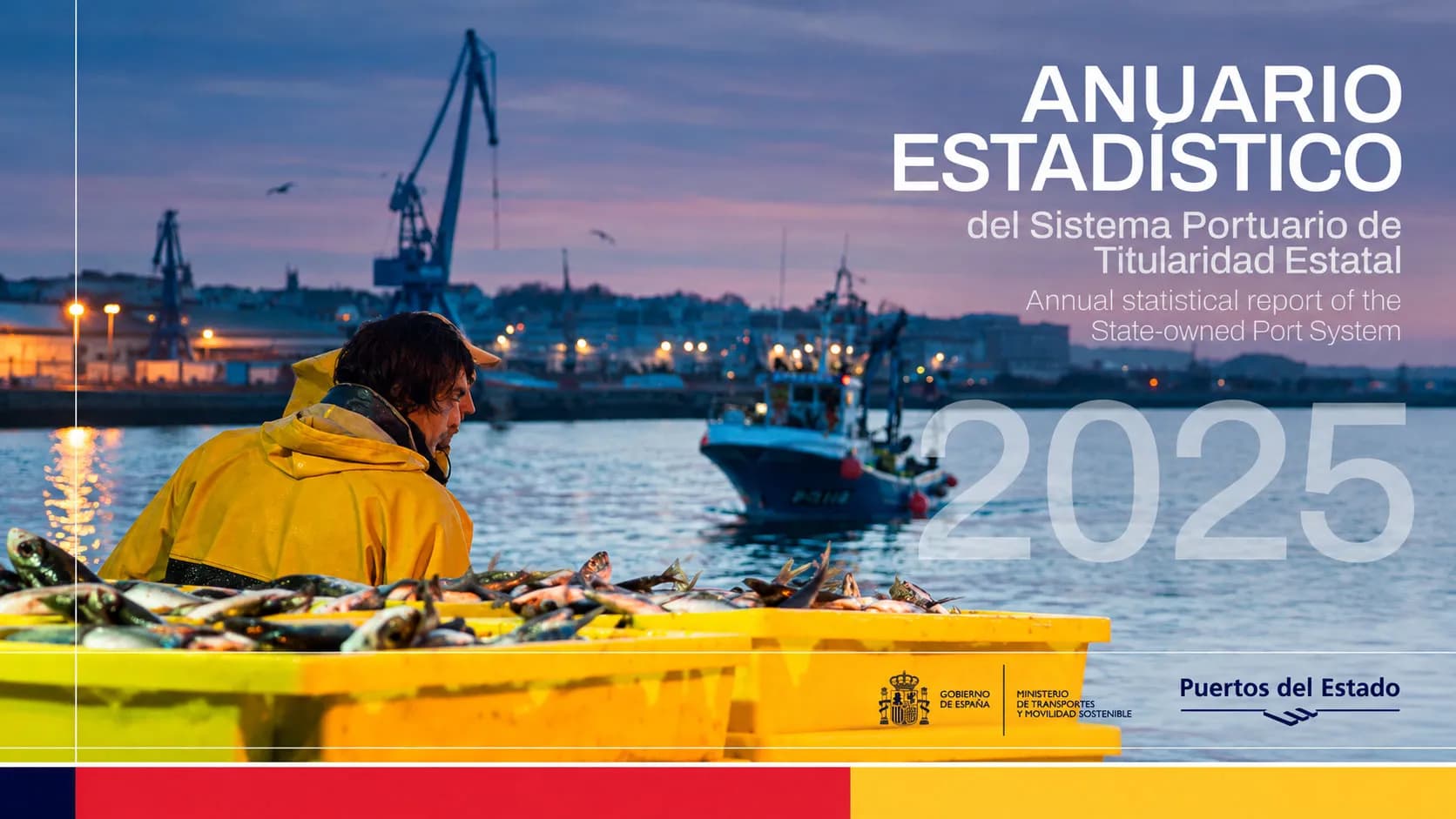
State-owned ports moved 556.2 million tons of goods in 2025, a 0.3% decrease compared to 2024. This is reflected in the final data from the Statistical Yearbook of the State-Owned Port System, which Ports of the State published this 1st of October. The document also confirms a new maximum of passengers, with 42.49 million, a 4% increase compared to the previous year.
The yearbook includes the traffic of goods, containers, ships, and passengers from the 28 Port Authorities of the general interest system, as well as the technical characteristics of their ports. The agency has also updated the Annual Data Dashboard 1962-2025, which allows for interactive consultation of all port traffic data and establishing comparisons. Ports of the State attributes the slight decline in goods to a year marked by global geopolitical and economic instability.
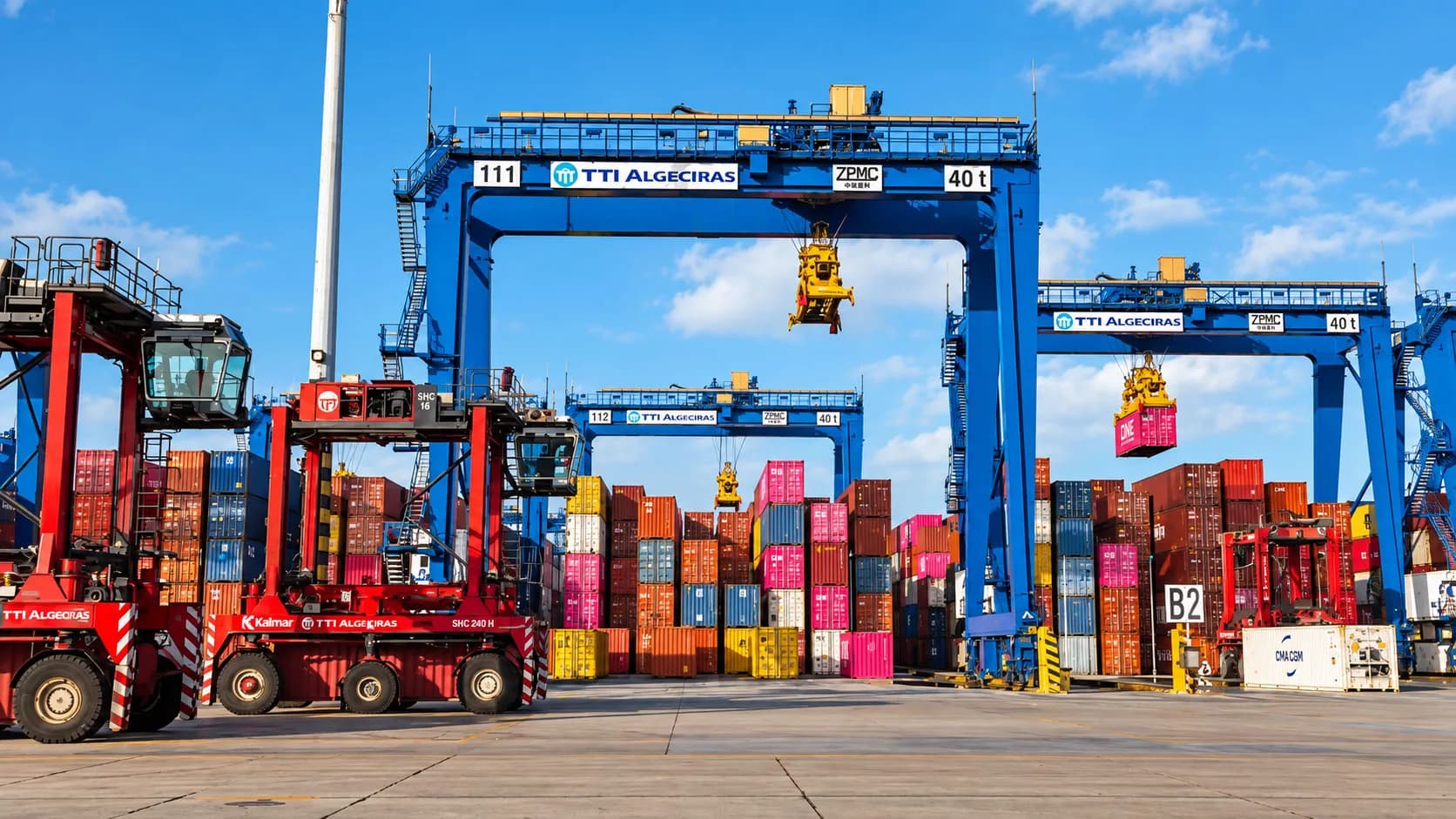
The decrease in total tonnage did not reflect in container traffic. The monthly statistics from Ports of the State accumulated to December is compiled by EED Data, the data platform of El Estrecho Digital. According to that data, the port system handled 18.62 million TEUs in 2025, a 2.8% increase over 2024. 51.6% of that volume corresponded to containers in transit, that is, boxes that are transshipped from one ship to another without entering or leaving the country.
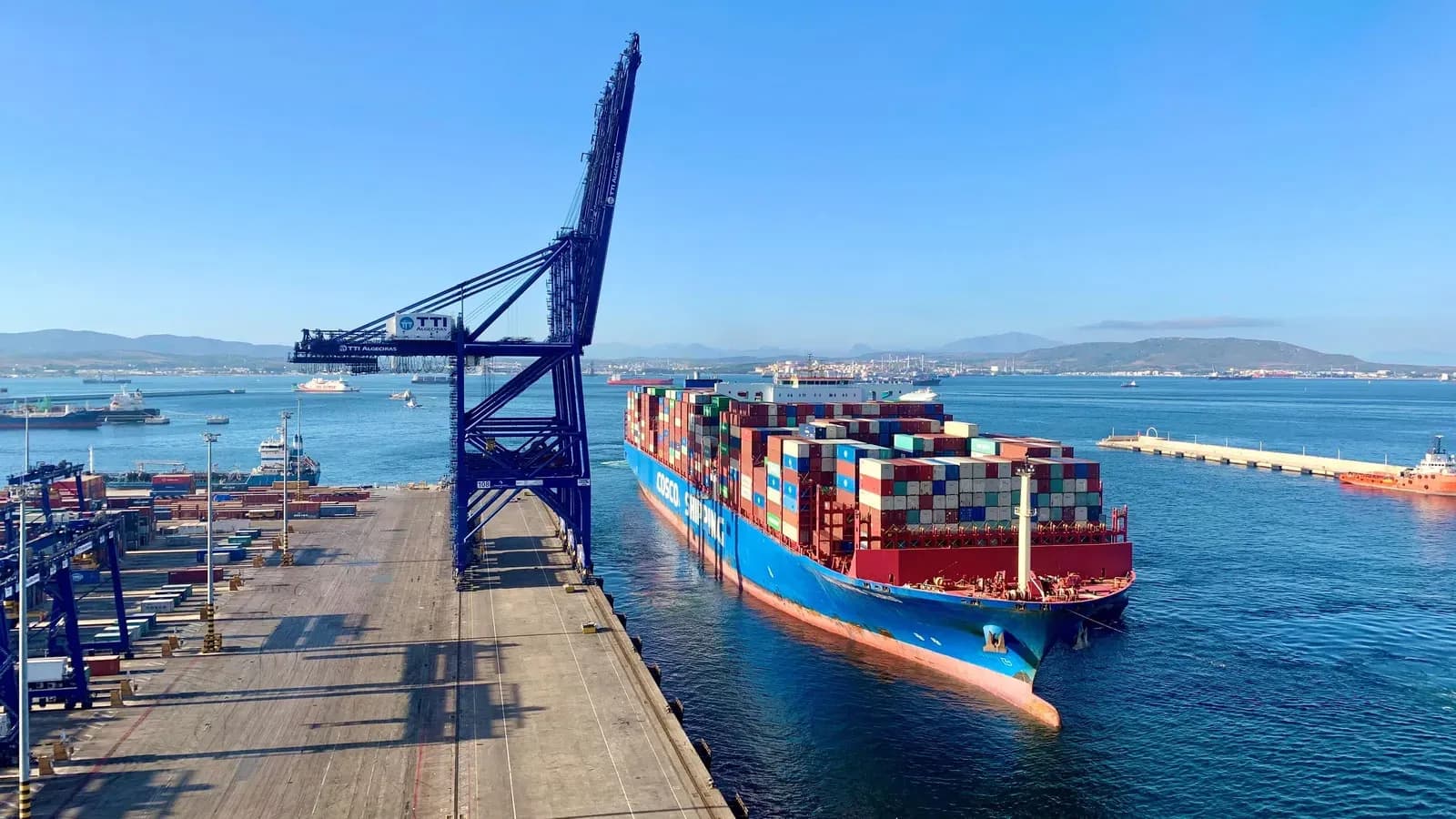
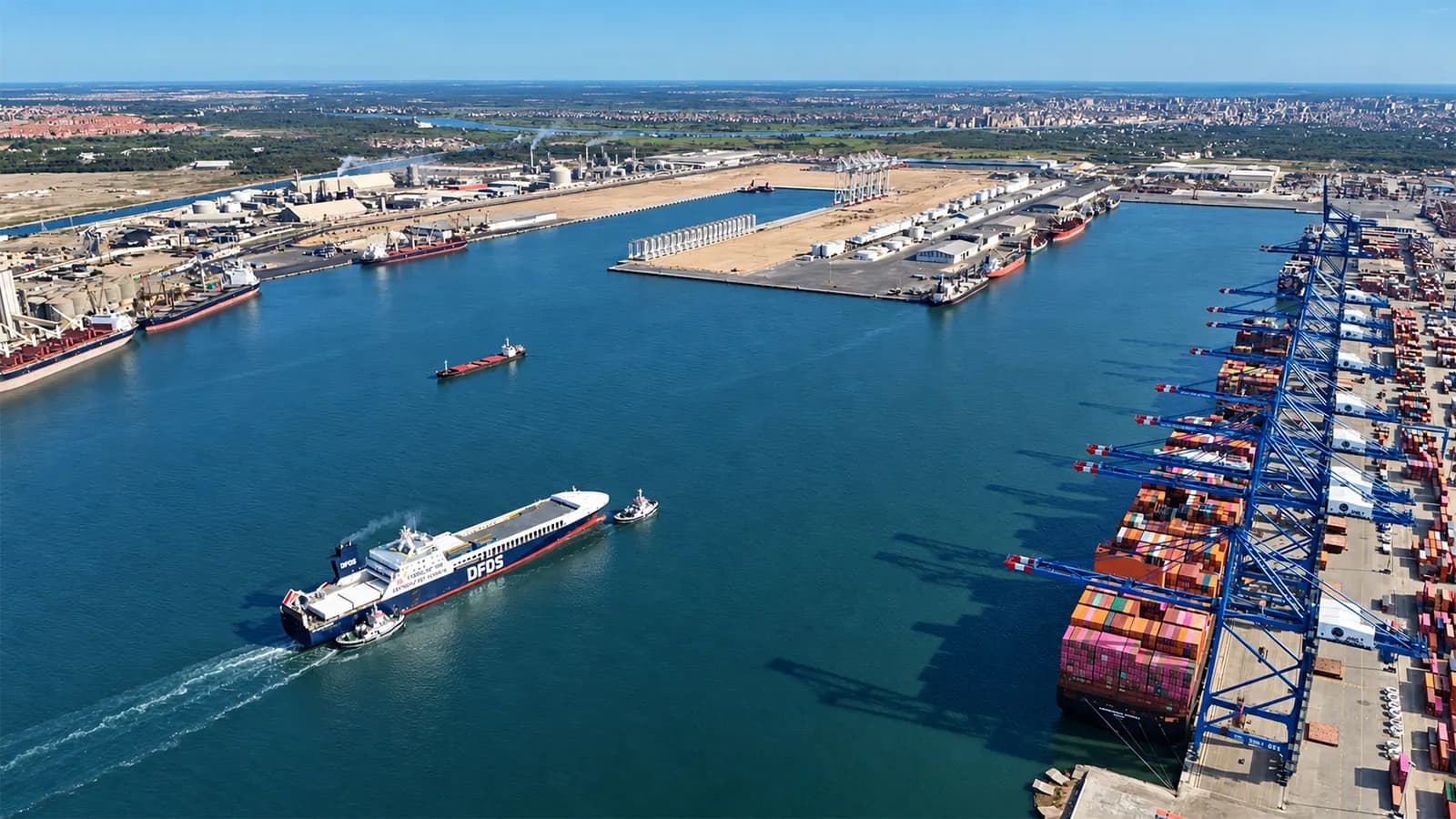
Valencia was the first Spanish port in containers, with 5.66 million TEUs and an increase of 3.4%. This is the highest figure in its annual series since 2016. It is followed by the Port of Algeciras, with 4.74 million (+0.6%), and Barcelona, with 3.73 million. They have different profiles: in Algeciras, transit accounted for 86.2% of its TEUs, while in Valencia it represented 45.1%.
By tonnage, the Port of Algeciras ranked first in the system, with 100.69 million tons and a share of 18.1%. Its traffic reduced by 3.3% compared to the 104.13 million of 2024. This is the lowest figure in the available annual series in PortStats, which starts in 2016. Valencia added 80.69 million tons (−0.7%) and Barcelona, 69.45 million (−0.4%). Las Palmas, the fourth port in the system, moved 36.51 million tons, a 14.9% increase, in its second consecutive year of rise.
The increase in passenger traffic was largely supported by cruises. The accumulated monthly statistics register 42.5 million passengers. Of these, 14.1 million were cruise passengers, a 9.9% increase over a year earlier, and about 28.4 million traveled on regular lines, which amounts to two out of every three passengers. Among the ports with the most passengers are those in the Balearic Islands, with 9.92 million, and Santa Cruz de Tenerife, with 7.45 million. Following them is Algeciras, with 6.35 million (+6.7%), a figure that includes Tarifa and La Línea. Barcelona added nearly 4 million cruise passengers (+9.4%).
The yearbook includes breakdowns not provided by the monthly statistics. By nature of the goods, crude oil was the main product, with 60.8 million tons and 11.2% of the classified cargo. This is followed by chemical products, with 51.3 million, and container tare, with 38.5 million (the weight of the containers themselves). By geographical areas, the European Union concentrated 36.3% of the tons (196 million), North Africa 16.7% (90.3 million), and North America 11.7% (63.1 million). Traffic with origin and destination in Spanish ports totaled 103.8 million tons, 19.2% of the total.
The United States was the first foreign partner country, with 42.6 million tons, of which 78.8% were imports. This is followed by Brazil (28 million) and Morocco (26.3 million). Morocco is the only one of the top ten foreign countries where exports exceeded imports: 15.6 million tons against 10.7 million.
Regarding ships, ro-ros recorded 80,061 calls, 47.6% of the total, although their weight in gross tonnage was 33.7%. Cruise ships totaled 5,288 calls, 3.1% of the total, but contributed 14.4% of the tonnage, reflecting the larger average size of these units.
Concerning port capacity, the 46 ports of general interest have nearly 395,000 linear meters of docks and about 100 million square meters of land area and storage areas. The Port Authorities also manage 2,145 navigation aids, including 204 lighthouses and notable lights.
According to Ports of the State, the figures confirm the weight of maritime transport in Spanish trade. The agency attributes several advantages to it over other modes: lower unit cost over long distances, the ability to move large volumes, and its nature as a safe and less polluting mode. According to data from the Tax Agency (AEAT), approximately 71% of imports and 52% of Spanish exports are conducted by sea.
The provisional data for this year places the accumulated traffic until August 2026 at 373 million tons, a 1.1% increase compared to the same period of the previous year, as recorded by El Estrecho Digital in its analysis of the monthly statistics. The consolidated data of 2025 from the 28 Port Authorities, with their historical series by port, can be consulted in the section PortStats of EED Data.