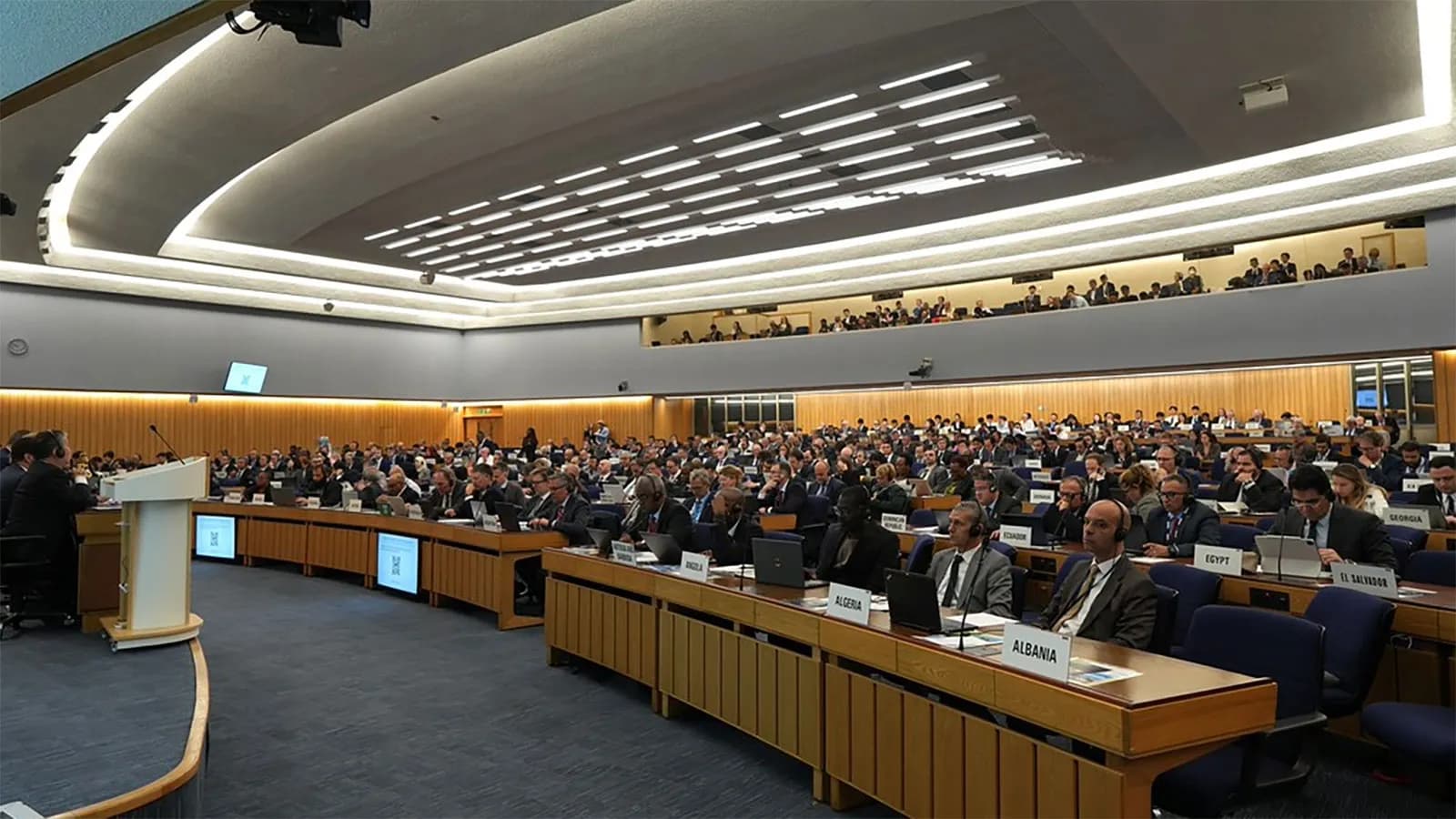
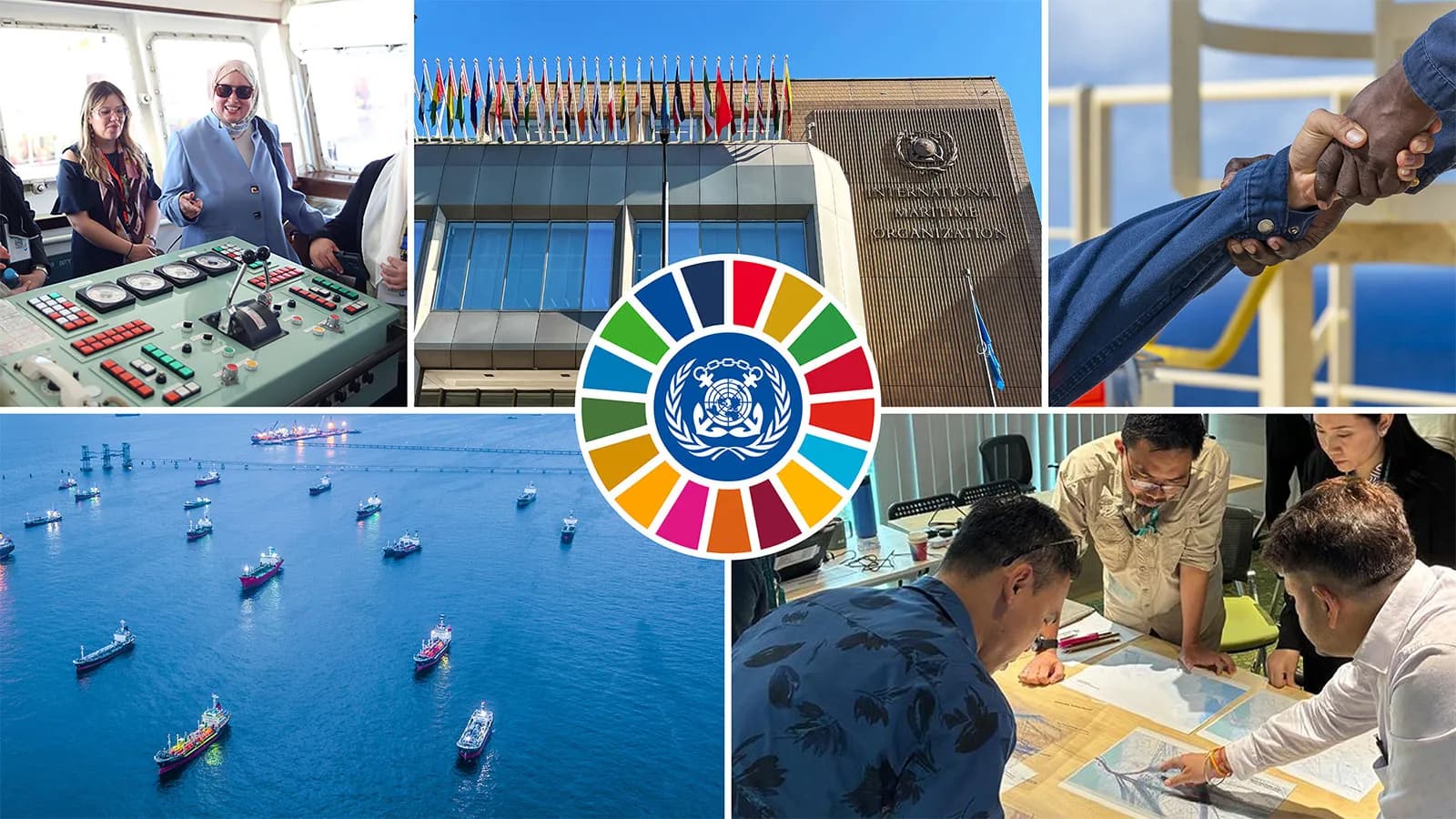
The member states of the European Union and the European Commission have prepared a joint proposal for the International Maritime Organization (IMO) to develop specific standards applicable to artificial intelligence systems integrated into certain navigation and communication equipment on ships. The initiative is intended for the 112th session of the Maritime Safety Committee (MSC 112), scheduled to take place in London from December 14 to 18, 2026.
The latest public version of the preparatory document, dated July 15, proposes to incorporate into the IMO work program the development of operational standards for those AI systems that intervene as safety-related components. The proposal is supported by the 27 member states of the EU, including Spain, along with the European Commission.
The proposed scope is more limited than a general regulation of artificial intelligence in maritime transport. The requirements would specifically apply to systems installed in equipment covered in Chapters IV and V of the SOLAS Convention, which pertain respectively to radiocommunications and navigation safety, when AI performs a safety function or when a system failure could directly pose risks to people, property, or the marine environment.
Among the considered applications are systems related to object classification, collision risk assessment, route monitoring, or processing distress signals. The document expressly excludes systems used solely for performance optimization, efficiency, comfort, or other functions that do not directly impact safety.
The European proposal is based on the premise that current IMO standards do not systematically address certain characteristics inherent to artificial intelligence-based systems. These include the quality and representativeness of the data used to train them, the behavior of models, information received from sensors, and their operation under conditions different from those for which they were developed. The text cites as examples extreme weather conditions, sensor degradation, or ship configurations that were not sufficiently represented in training data.
Future standards should cover five main areas: risk management; data quality and governance; accuracy, robustness, and cybersecurity; human oversight and transparency; and traceability and documentation. The intention is for these requirements to function horizontally and complement existing technical standards for each type of equipment, without replacing them.
The human component also holds a specific part of the proposal. The document highlights the need for crew members to understand the behavior of the systems, monitor their operation, and intervene when necessary. It also identifies the risk of operators automatically accepting an incorrect recommendation generated by a machine or, conversely, ending up ignoring valid warnings due to lack of trust in the system.
The initiative arises after the IMO adopted in May 2026 the International Safety Code for Autonomous Surface Ships, known as the MASS Code. This instrument, which is not mandatory and has been in force since July 1, establishes a framework for autonomous or remotely controlled commercial vessels. However, the European proposal considers that the MASS Code is primarily aimed at autonomous operations and does not, on its own, provide a basis for evaluating AI systems installed in conventional ship safety equipment.
The approach would not require shipowners to install new equipment. The requirements would apply to systems that manufacturers choose to incorporate into navigation or communication equipment, and compliance would be verified through existing type evaluation and approval mechanisms. The draft outlines that standards may be adopted through a resolution of the MSC and that ISO and IEC will be requested to develop associated testing standards.
The proposed roadmap sets 2029 as the deadline to complete and approve the standards. The proponents suggest that the work be assigned to the Sub-Committee on Navigation, Communications and Search and Rescue (NCSR), supported by an intersession correspondence group, with work expected between 2027 and 2029 before the text returns to the Maritime Safety Committee for approval.
The available documentation still corresponds to the European preparatory process. It will be MSC 112 that must examine the proposal for incorporating this new work into the IMO regulatory program and determine its subsequent development.