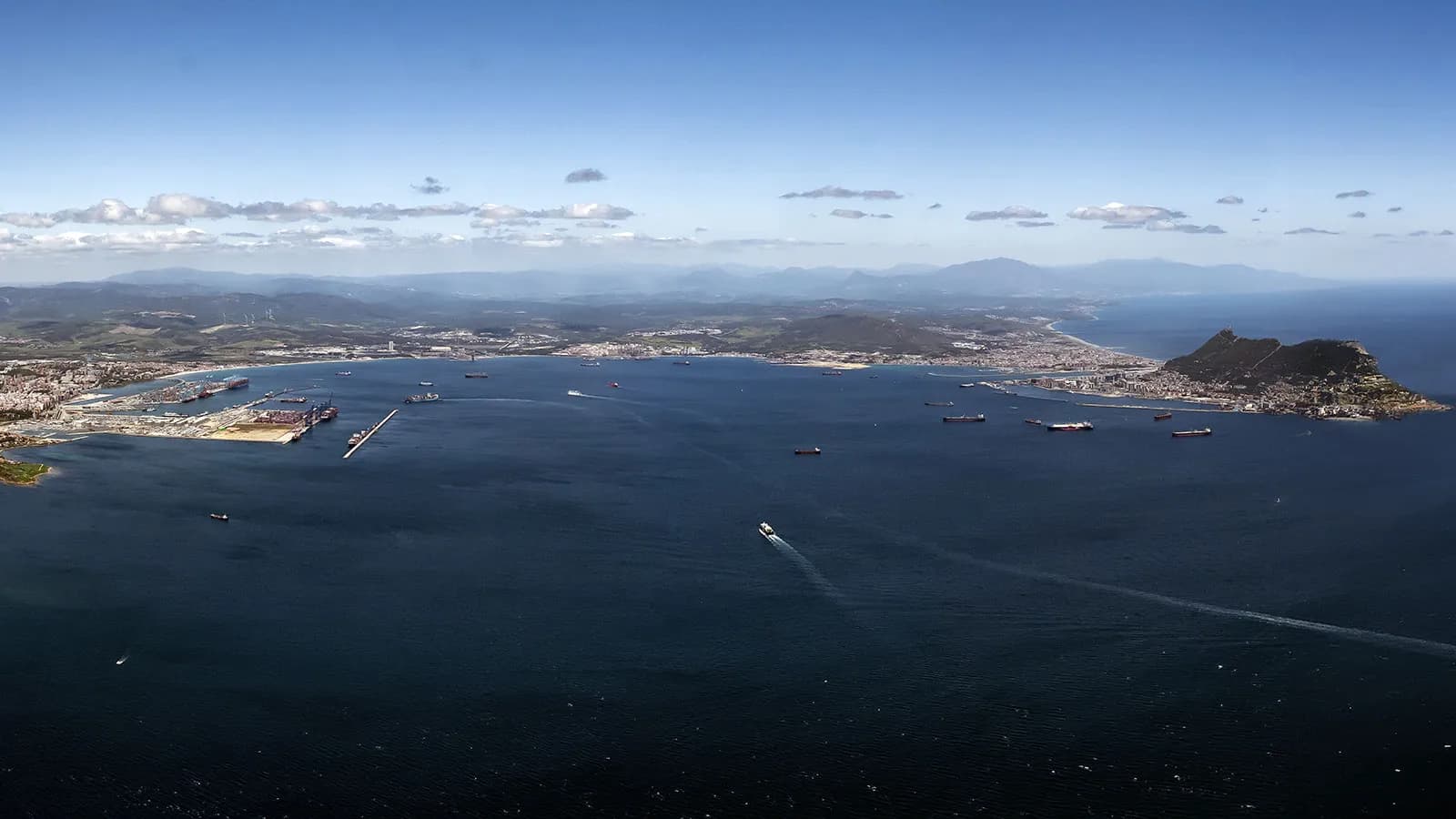
The Strategic Plan 2030 with a 2040 vision of the Port Authority of the Bay of Algeciras (APBA) defines the Green Energy Hub Algeciras Bay as an 'international reference energy node for new alternative fuels' and elevates it to its own line within the decarbonization block. Under this brand, the APBA groups industrial, logistics, and supply projects related to low-carbon fuels —green hydrogen, methanol, ammonia, LNG, and bioLNG— that already have a presence in the Bay or are expected to in the coming years.
The plan assigns a specific territorial dimension to the Green Energy Hub. The first piece is the reorganization of spaces in the public port domain in the area of Los Barrios, along with the expansion of the associated maritime infrastructure. This reorganization prepares the land near the thermal power station to accommodate green hydrogen projects and other clean energies, with the planned expansion of the corresponding dock. Coordination with the Association of Large Industries of the Campo de Gibraltar (AGI) is the formal mechanism identified in the plan itself to facilitate attracting this investment, along with the Port Community as a whole.
The second territorial piece is Campamento, in San Roque. The plan explicitly mentions the 'diversification of activity and creation of jobs associated with offshore wind' in this area, without naming operators. This section already has a specific name: Dragados Offshore, the company participated by the French group Vinci through Cobra, obtained a concession in May 2024 until 2040 for 403,255 square meters in the port lands of Campamento, with an external dock of 263 meters in length. On that plot, it will build HVDC energy converter platforms —high voltage direct current— of two gigawatts each, destined for offshore wind farms in the German North Sea. Construction began in May 2026 with the LanWin2 project, contracted by the Dutch-German operator TenneT in consortium with Siemens Energy. The Port Authority estimates that the activity will generate an average of a thousand direct jobs, with peaks during phases of higher workload.
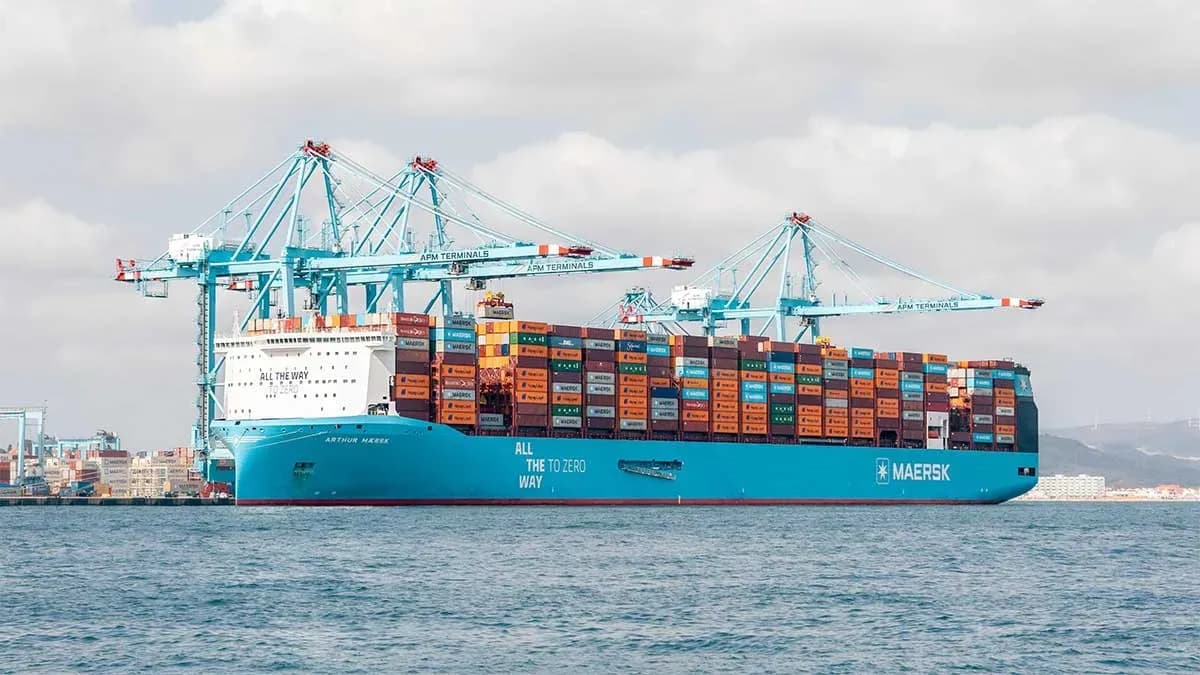
Bunkering is the third dimension of the hub. The plan sets the goal of 'bunkering leadership in the Mediterranean for the supply of traditional and alternative fuels.' Currently, the Port of Algeciras is the main international supply point of bioLNG to ships, with three operators authorized by the APBA —Axpo, Shell, and Peninsula— and with Enagás, through Scale Green Energy, providing the infrastructure for virtual liquefaction. Based on this, the hub plans the gradual incorporation of new vectors —methanol, ammonia, and green hydrogen derivatives— in line with the expansion of Evos' storage facilities in the Bay, as explained by the APBA in various sector forums.
The electric block completes the project infrastructure. The Strategic Plan sets two goals for 2030: the full realization of the OPS project —Onshore Power Supply— in Algeciras and Tarifa, and the provision of an additional 40 MW of electrical power. The OPS allows docked ships to connect to the grid and turn off their auxiliary engines, thereby reducing local emissions. The additional 40 MW is the electric leverage that supports this electrification, along with the 25% increase in the production of renewable energy for self-consumption that the APBA also includes as a goal.
The international projection of the hub is articulated around the so-called Asia-Europe-America green corridors via Algeciras. The plan lists these three axes without breaking them down, but one of them is already under development: the Algeciras-Panama green maritime corridor, selected by the European Commission as a flagship project within the Global Gateway strategy. In May 2026, the APBA, the Maritime Authority of Panama, and the Panama Canal Authority opened joint work on that route, focusing on methanol, ammonia, LNG, and bioLNG as transition fuels. In June of the same year, the initiative incorporated Colombia as a potential producer of green hydrogen, ammonia, and methanol, expanding the corridor to a trilateral logic.
Coordination with the AGI and the Port Community gives the hub its institutional framework. The AGI groups the large industries of the Campo de Gibraltar, which are also potential clients, suppliers, and competitors for the available land in the Bay. Their involvement responds to the dual role that the Strategic Plan assigns to them: to host the production of new molecules while also consuming them in their transition towards decarbonized processes. The urban planning of the port land in Los Barrios has been proposed as the instrument that allows channeling those investments.
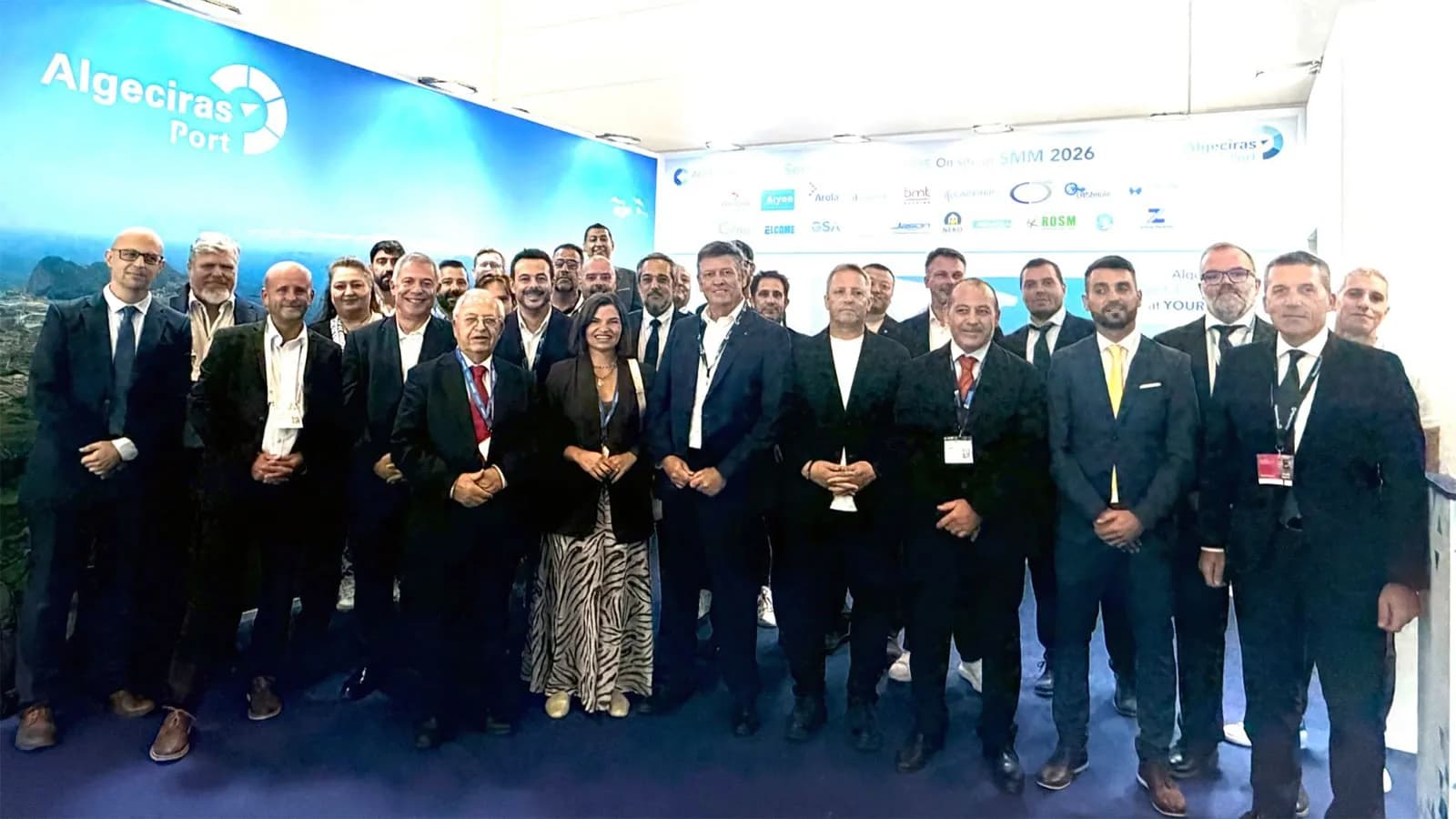
Based on these pieces, the APBA presented the Green Energy Hub in October 2025 in Singapore, to Asian operators and shipping companies, as part of a mission that brought together 21 companies from Algeciras' port and logistics environment. In March 2026, the port consolidated itself as a peninsular reference in the supply of green molecules with bioLNG, and in spring 2026 they activated conversations with Panama and Colombia. These milestones, prior to the approval of the plan, fit into the strategic goal R5, which commits the APBA to accelerate the transition to low-carbon alternative fuels in maritime transport and the associated logistics chains.
The Green Energy Hub Algeciras Bay is the name under which the APBA articulates the repositioning of the port as an energy node of the Strait. Its effective timeline will depend on the execution of reorganization works in Los Barrios, the industrial deployment of Dragados Offshore in Campamento, the expansion of storage and supply facilities for new fuels, and the pace at which international shipping companies incorporate those vectors into their stops.