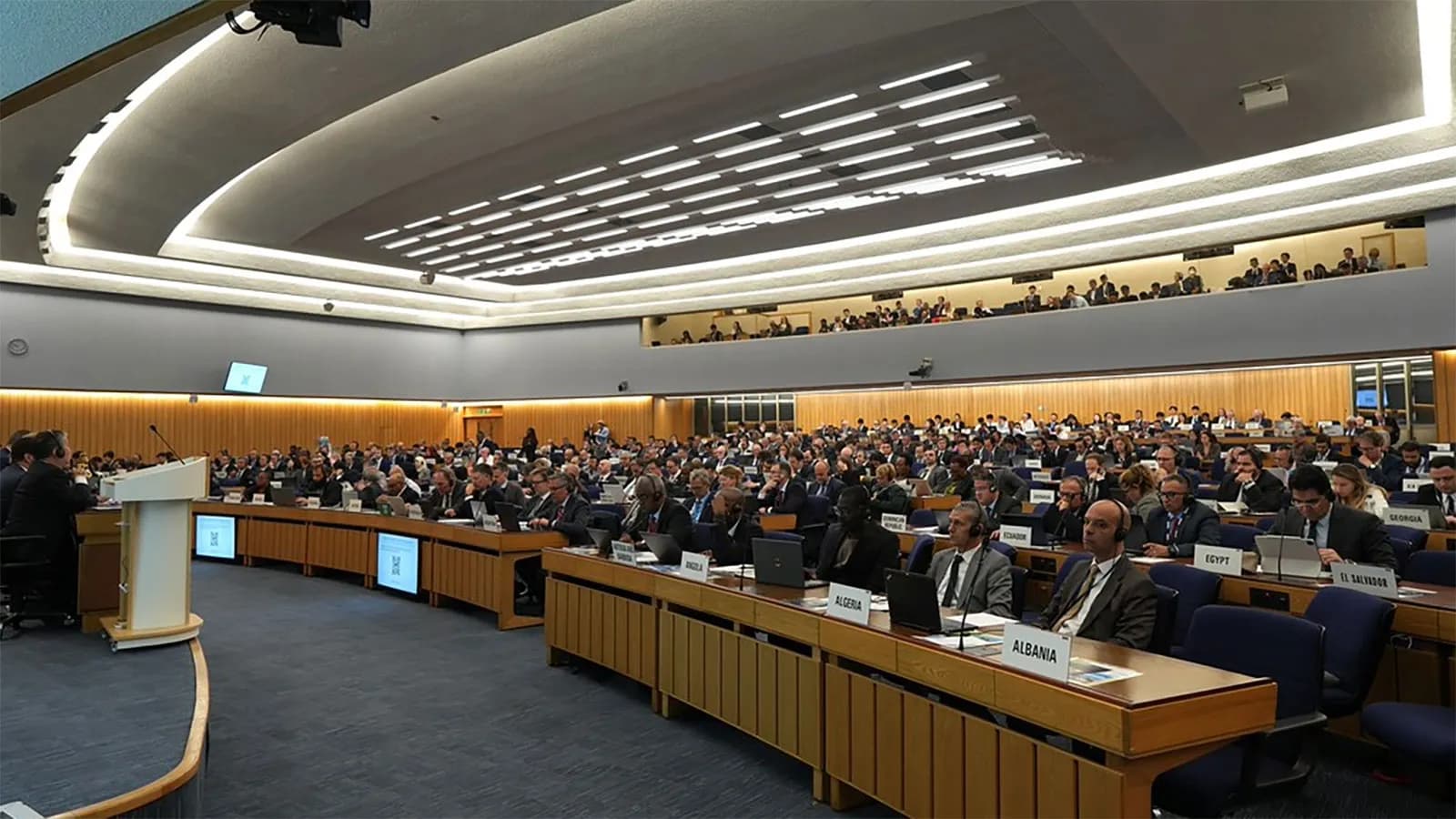
The International Maritime Organization (IMO) has adopted a new International Safety Code for Autonomous Surface Ships (MASS Code, for its acronym in English) during the 111th session of the Maritime Safety Committee held in London. This is the first global regulation that establishes a framework of requirements for the design, construction, operation, and certification of commercial autonomous and remotely controlled vessels, with the aim of ensuring that these ships meet safety and environmental protection standards equivalent to those of conventional vessels.
The code applies to large cargo ships dedicated to international trade and will come into force voluntarily on July 1, 2026, for a minimum period of two years. This initial phase will allow member states to test its practical application before the standard becomes mandatory under the SOLAS Convention, a step that could occur starting in 2028.
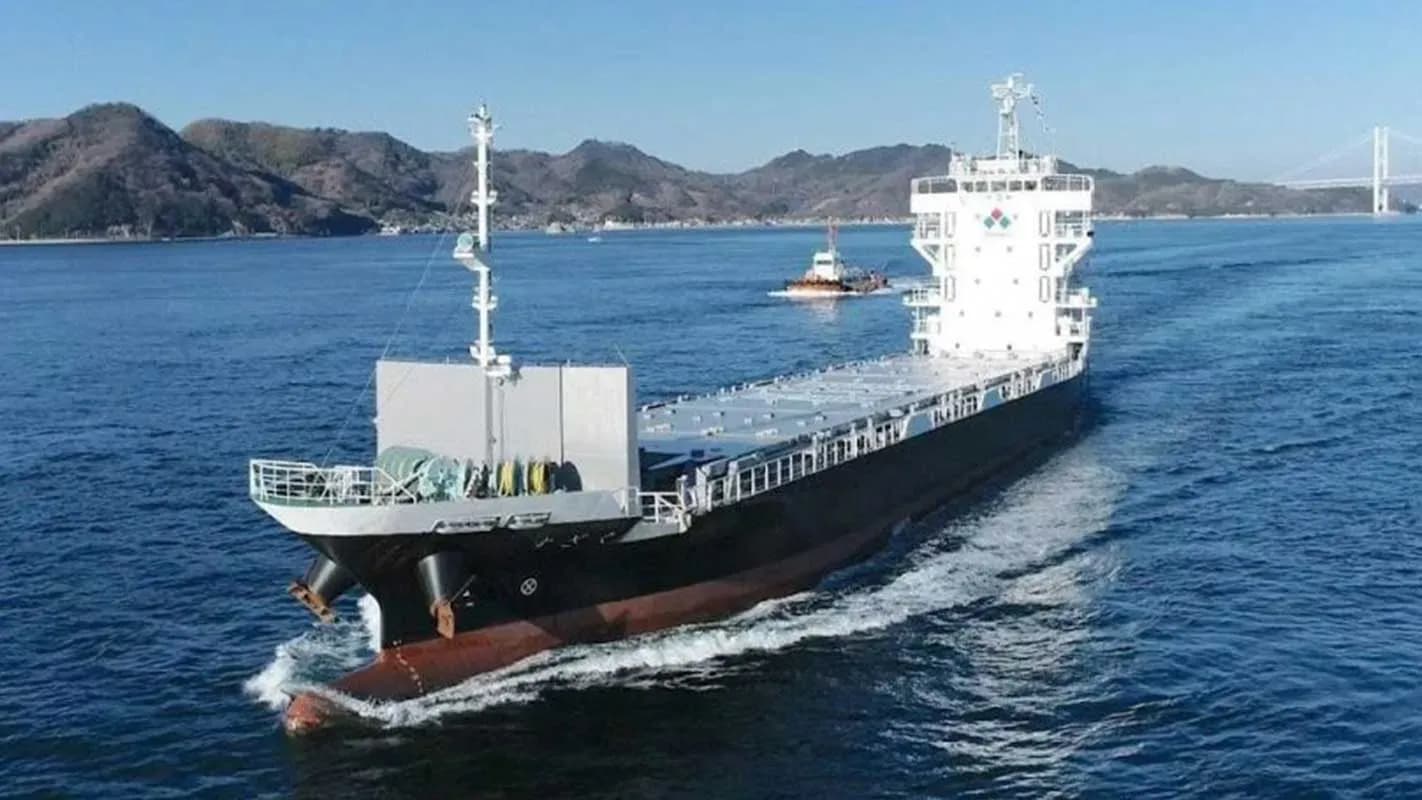
The MASS Code defines an autonomous maritime surface ship as one capable of operating with varying degrees of independence from human intervention. This definition encompasses a wide spectrum that ranges from automated vessels with crew on board, to remotely controlled ships with or without crew, to fully autonomous vessels capable of making independent decisions without direct human intervention.
According to the IMO, the purpose of the code is to regulate emerging technology in the maritime field, maintaining safety levels while enabling innovation. Large autonomous vessels dedicated to international trade are still in an early phase of development, and the MASS Code constitutes the first set of specifications applicable on a global scale to guide their evolution.
The adopted regulatory framework takes a goal-based approach, without the prescriptive specificity that characterizes other SOLAS Convention regulations related, for example, to the design of lifeboats or the installation of voyage data recorders (VDR). Safe navigation is a priority in the evaluation of autonomous vessels. The MASS Code incorporates by reference the collision prevention rules of the COLREGS Convention, along with its requirements for the recognition of sound signals, lights, markings, and types of vessels. To complement the standard COLREGS watchkeeping requirement, the code introduces a situational awareness requirement that obliges the vessel's autonomous navigation system to "continuously monitor all the information necessary for safe navigation." However, more specific standards, such as the ability to assess sound signals or calls by VHF—functions that the majority of current autonomous navigation systems cannot perform—are not part of the code at the moment.
The approved text does include an extensive list of equipment requirements that would be exclusive, and in some cases technically demanding, for uncrewed vessels. Lacking crew on board, these vessels must be designed differently to ensure safety and responsiveness in emergencies, including contingency operations in what the code refers to as "reasonably foreseeable degraded states." This implies differentiated standards concerning structure, subdivision, stability and watertight integrity, fire protection and detection, rescue devices and means, safety, search and rescue, cargo handling, towing and mooring, machinery installations, electrical installations, and external support systems.
Some of these requirements pose considerable technical challenges in a demanding marine environment. Anchor windlasses, for example, must be able to operate autonomously or by remote control during an emergency, without crew to remove the securing devices or operate the windlass brake. Emergency towing systems must be configured to establish the connection without a crew manipulating the launch lines and the mooring ropes in adverse sea conditions. Much of the research and development work that equipment suppliers must undertake to meet these requirements will extend over the coming years.