The Short Sea Shipping (SSS) in Spain recorded 258 million tons in 2025, which represents a year-on-year decrease of 4.3% compared to the previous year, according to the data from the SSS Statistical Observatory presented by the Spanish Association for the Promotion of Short Sea Shipping (SPC Spain) at the meeting of its board held on April 14. The results highlight the effect that the new European environmental regulations are having on this segment of maritime transport, reversing the positive trend the sector had been experiencing in previous years.
The analysis of global traffic shows a disparate behavior according to the sector: external traffic fell by 6.4%, while cabotage grew slightly by 2.9%, failing to offset the decline in international trade. In terms of cargo presentation, general ro-ro cargo traffic was the only segment that experienced growth, with an increase of 2.2%, thanks precisely to cabotage.
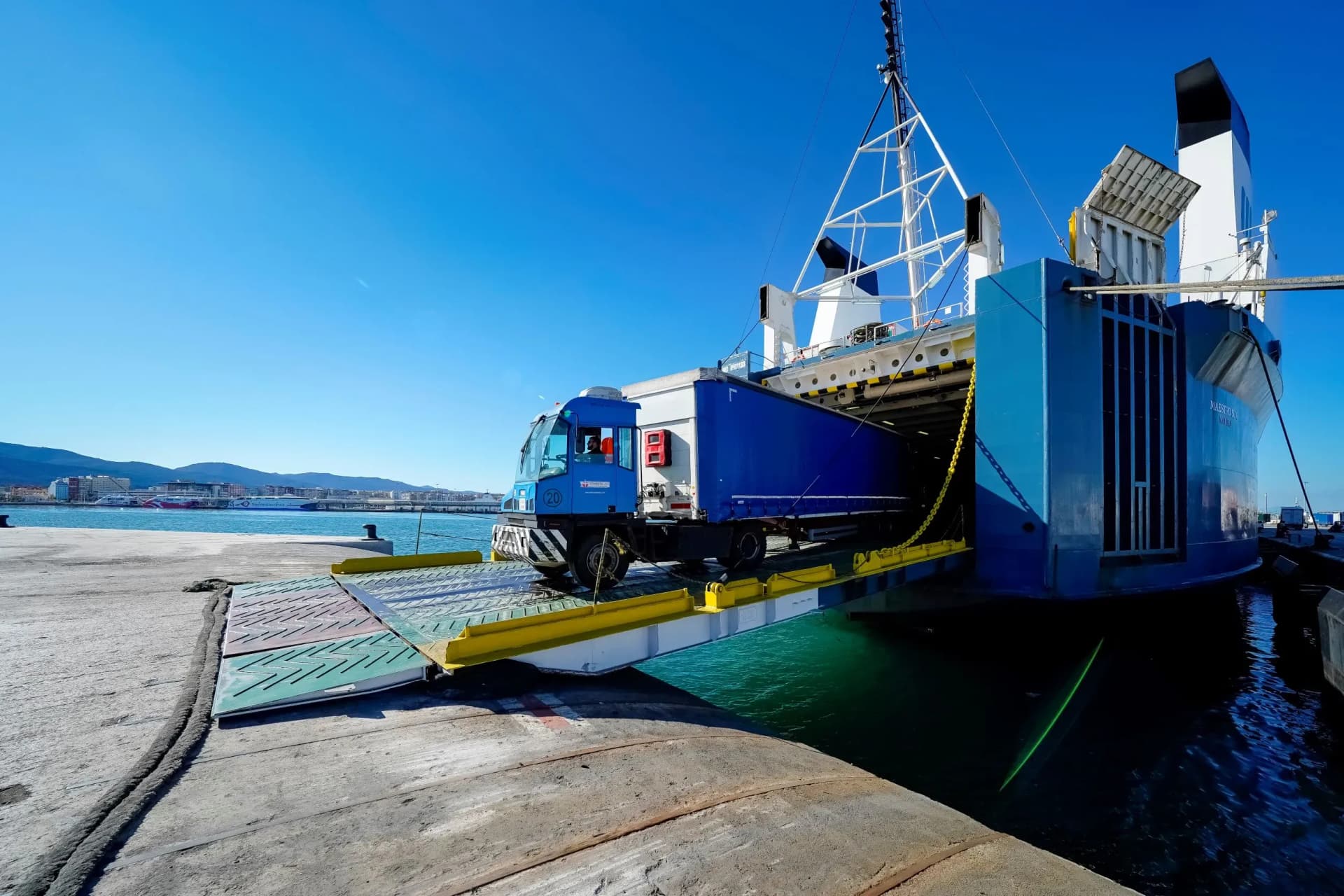
Regarding international ro-ro SSS, excluding vehicles under cargo regime, the transported volume reached 25.1 million tons in 2025, which represents a decrease of 0.8% compared to 2024. However, the evolution shows significant differences between coasts: the Atlantic recorded a decline of 8.7%, while the Mediterranean mostly remained stable with a slight increase of 0.6%.
The breakdown by countries of exchange shows that the contraction is concentrated in the flows with EU partners. On the Atlantic coast, all exchanging countries experienced decreases: Belgium recorded the sharpest drop, with a decrease of 26.4%, followed by France (-9.6%), Ireland (-7.3%), and the United Kingdom (-2.2%). On the Mediterranean coast, stagnation is explained by the decline in flows with Italy (-6.0%), partially offset by the growth of traffic with Morocco (4.6%). Exchanges with Algeria and Tunisia recorded notable increases for the second consecutive year, of 32.4% and 15.5% respectively, although the absolute figures remain very small.
International vehicle SSS under cargo regime reached 3.2 million tons in 2025, equivalent to approximately 1.4 million vehicles, with a decrease of 7.7% extending the downward trend observed in 2024. This reduction was concentrated on the Mediterranean coast (-18.4%) and in shipments (-14.7%), while the Atlantic coast recorded a growth of 3.4%.
The contraction in demand has reflected directly on the supply. The capacity of alternative roll-on/roll-off services decreased by 16.6% in the Atlantic coast, dropping from 3.0 to 2.5 million linear meters, and by 11.0% in the Mediterranean, from 6.4 to 5.7 million linear meters. Shipping companies have reduced frequencies to adapt to lower demand. Regarding the Motorways of the Sea, a total of 10 services currently configure the offer: two on the Atlantic coast, both connected to the United Kingdom, and eight on the Mediterranean (four with Morocco, two with Italy, and two with Algeria). The Atlantic coast lost two Motorways of the Sea, and its capacity fell by 22.6%, down to one million linear meters. The Mediterranean, despite increasing the number of services, reduced its capacity by 5.7%.
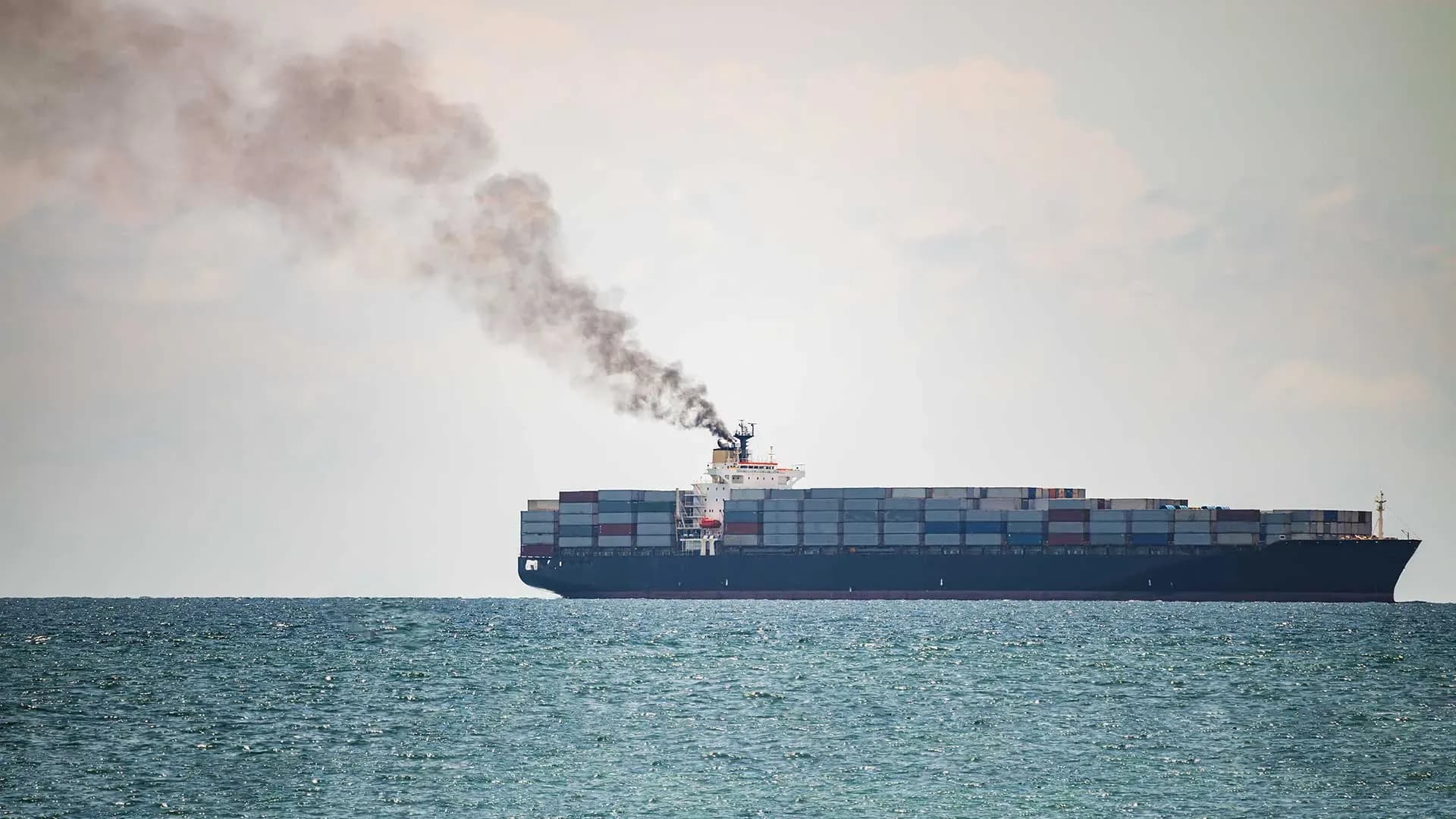
The data from the Observatory highlight the reversal of the trend experienced by the sector. In the period 2013-2019, SSS grew above road transport, with an average annual increase of 7.8% compared to 4.6%, and a correlation factor between both modes of 0.95. In the period 2021-2025, marked by the entry into force of regulations such as IMO 2020, the European emissions trading scheme (ETS), and the FuelEU Maritime regulation, the evolution has reversed: road transport shows an average annual growth of 2.1%, while SSS experiences a contraction of 2.3%, with a correlation factor dropping to -0.64.
SPC Spain indicates that this evolution should be monitored and evaluated within the framework of the review of the ETS Directive scheduled for 2026, especially due to its possible effects on the competitiveness of SSS. The association has also set the date of November 25 for its Annual Conference to be held at the Palacio de la Magdalena in Santander, where issues such as green corridors, the viability of sustainability regulations, the new TEN-T regulatory framework, new fuels for maritime transport, and eco-incentives will be discussed.