APM Terminals has taken a new step in its transformation process towards a top-tier asset management organization, integrating training requirements from original equipment manufacturers (OEM, for its acronym in English) directly into the new procurement specifications. The goal is for the transfer of skills to be measurable, auditable, and contractually enforceable.
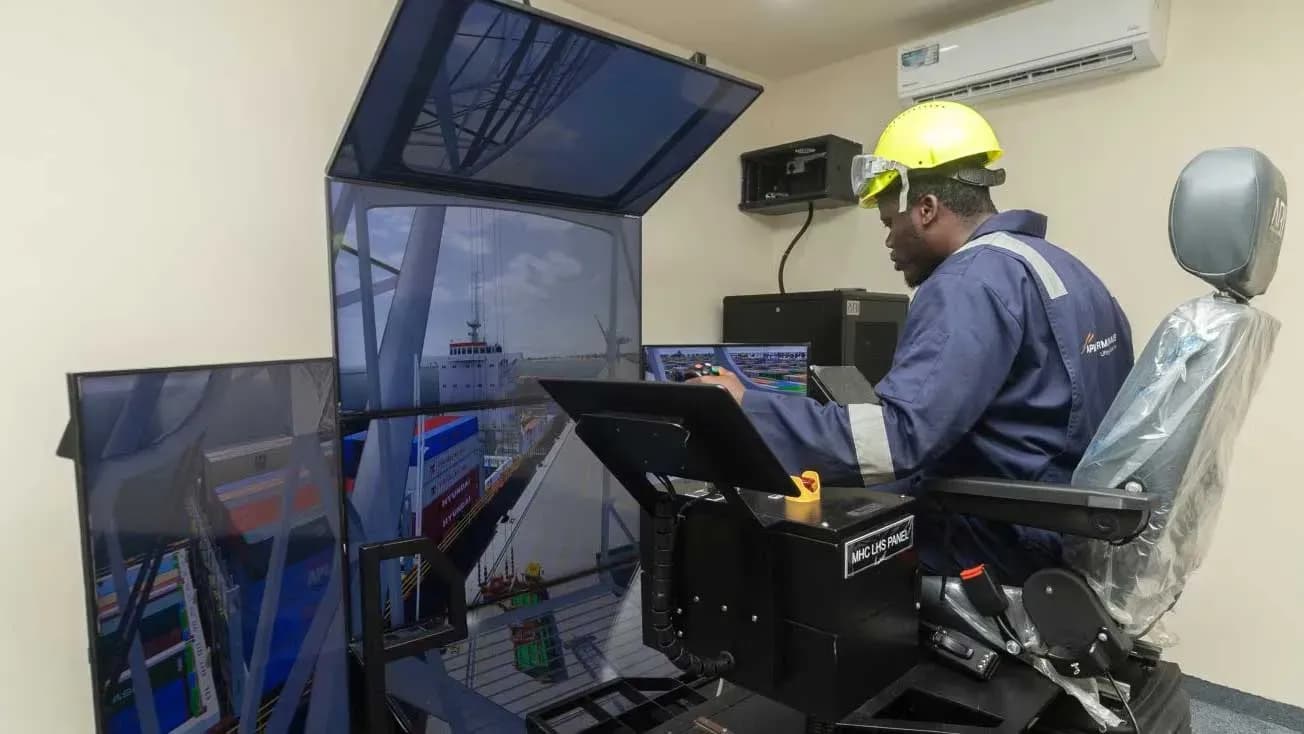
To support the transition from reactive maintenance to more predictive asset management, a global team has worked to align the technical development of personnel with operational needs, the company's Technical Competence Framework, and established industry practices. The aim is to ensure that the training provided — especially during the commissioning phases and large-scale renovations — translates into verified capabilities on the ground, and not just attendance records.
At selected terminals, such as Suape in Brazil, the package of training requirements imposed on manufacturers has been strengthened to standardize the delivery of training in commissioning and major renovations, in line with the Technical Competence Framework and good industry practices. This approach establishes a common foundation among different families of equipment while allowing for the specific depth of each manufacturer where necessary.
One of the fundamental changes is to require that all training be accompanied by minimum evidence that can be systematically audited. Among the required deliverables are the attendance record with date, hours, and instructor; the result of the theoretical exam with scoring and pass/fail grade; the supervised practical checklist signed by the evaluator when applicable; the on-the-job training record with the scope of tasks performed; the manufacturer's certificate or diploma in digital format, or a verified list issued by the OEM itself; and the version control of training materials with reference to the manufacturer's updated documentation.
"The goal is for the transfer of skills to be transparent and reproducible," explains Iván García Jorquera, specialist in Competence Development at APM Terminals. "When we can verify learning outcomes through standardized evidence, we protect safety, improve reliability, and make commissions and renewals more efficient."
To ensure the adoption of this model, the training deliverables are now tied to the payment milestones established in the contracts. This mechanism allows for consistent auditing and compliance across families of equipment, reduces ambiguity around the concept of "delivered training," and promotes more disciplined execution throughout the cycle, from training planning to the final validation of acquired competencies.
The model generates benefits for both parties. For manufacturers, it provides a clearer and more predictable framework to demonstrate the value of their training and consolidate long-term partnerships. For terminals, it results in a reduction of corrective work, an improvement in fault diagnosis and repair quality, greater safety robustness, and higher equipment availability, especially during critical phases of commissioning and renovation.
APM Terminals invites equipment manufacturers to collaborate in the development of training materials, evidence standards, and competence validation methods that contribute to establishing a new benchmark for the port industry, where technical skills are not assumed but properly accredited.