DFDS has initiated a restructuring process that includes searching for a new CEO to succeed Torben Carlsen, alongside a series of measures aimed at improving its operational profitability and strengthening its strategic position, particularly on key routes such as those connecting the port of Algeciras with northern Africa.
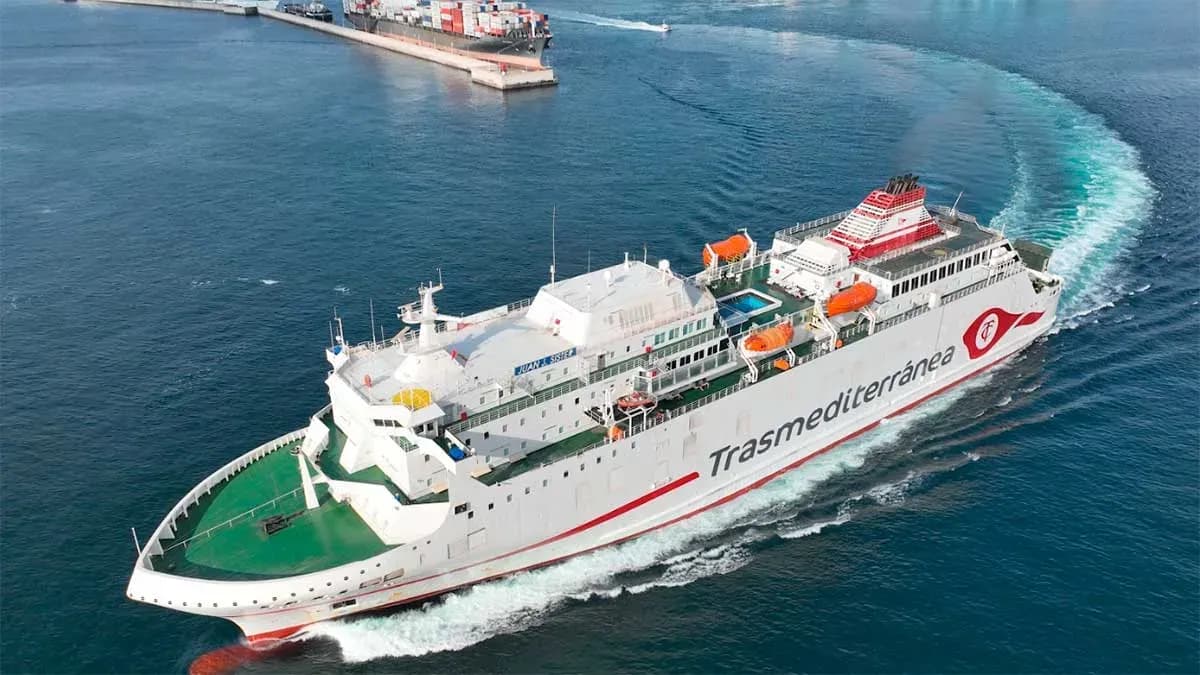
The Danish group announced on August 25 that it has signed an agreement to acquire part of the assets of Naviera Armas in the Strait of Gibraltar. The operation involves the incorporation of two vessels — a RoPax ferry and a high-speed ferry (HSC) — the operating permits for routes, and the absorption of approximately 200 employees. The total amount of the transaction amounts to 32 million euros, and its closure is expected in the first quarter of 2026, once the relevant regulatory approvals are obtained.
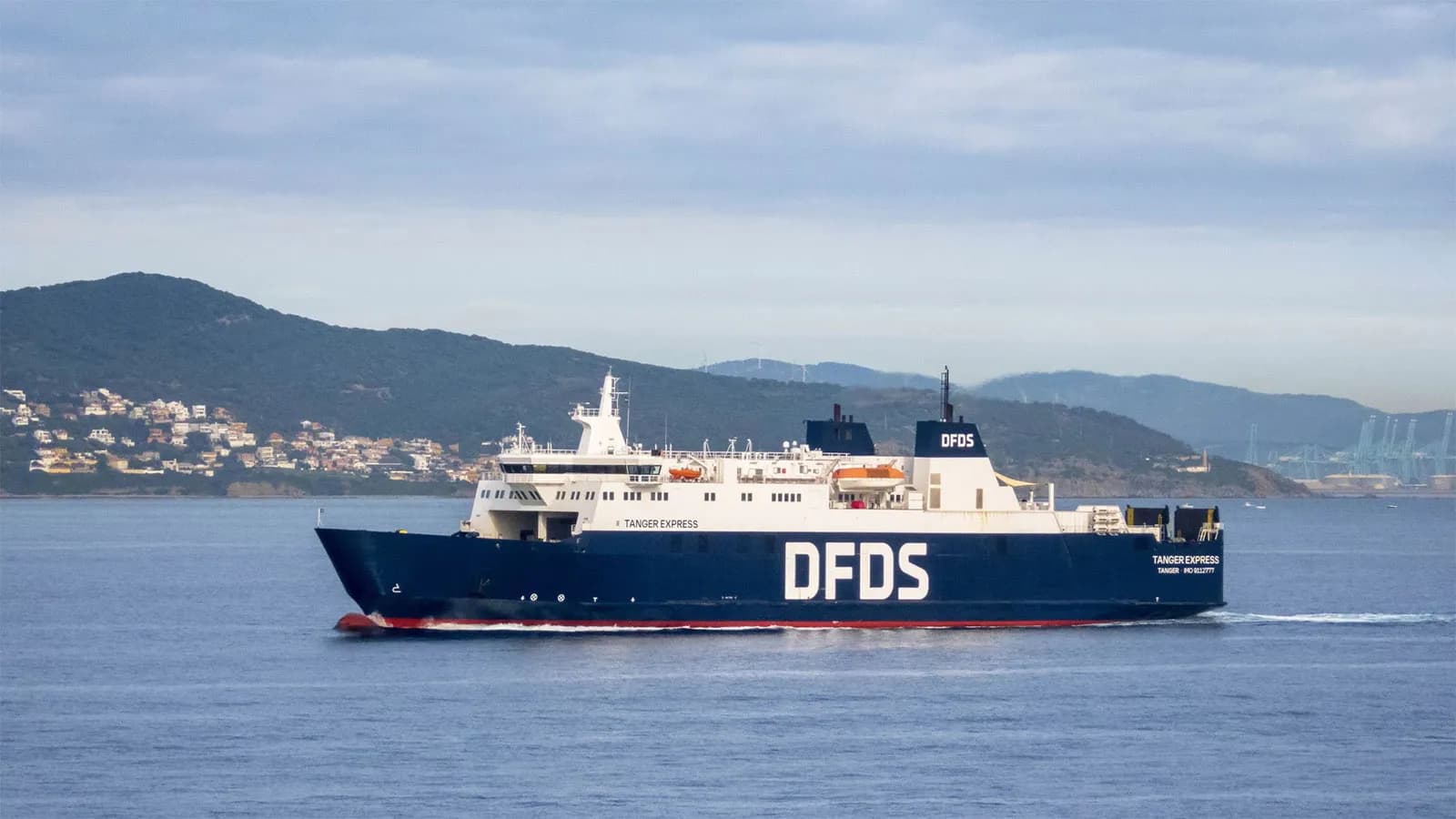
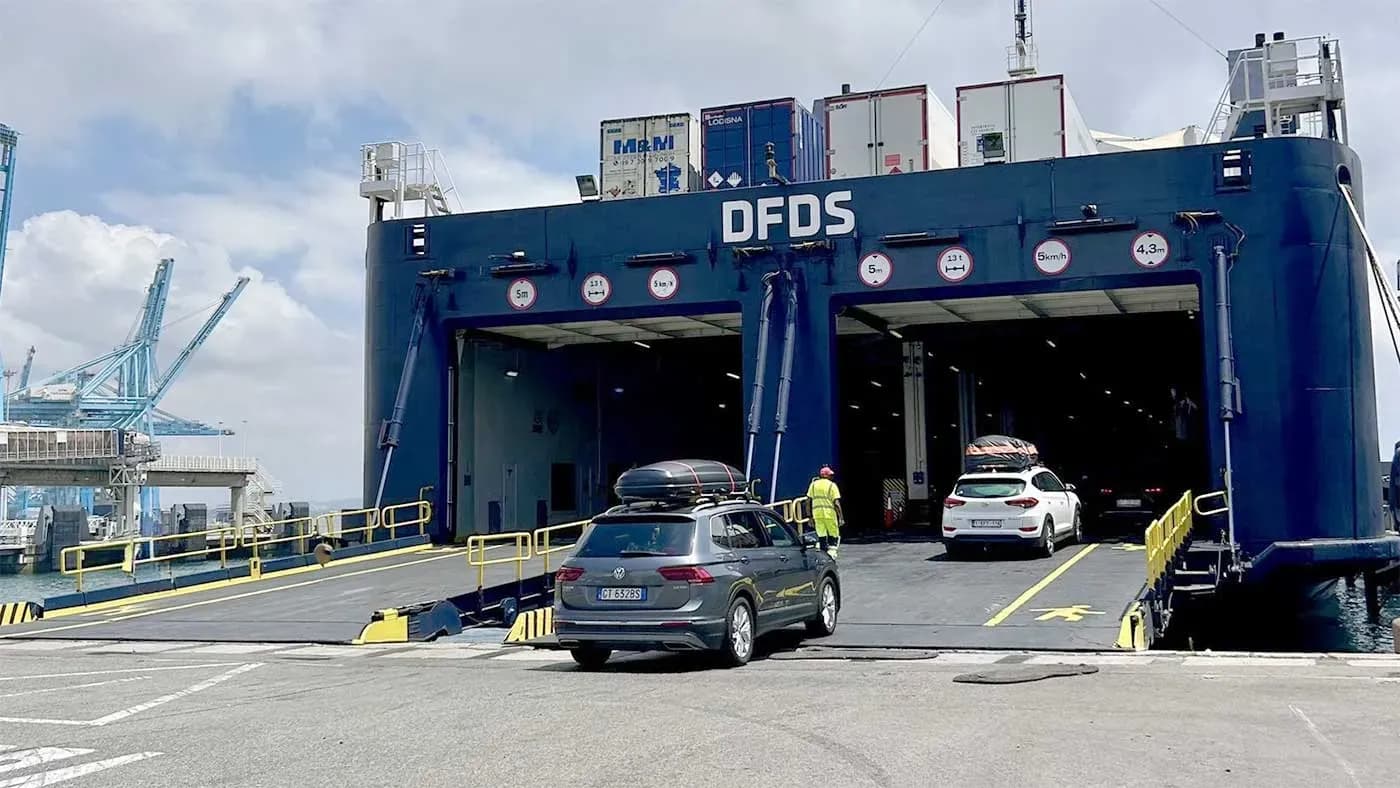
DFDS already operates the Algeciras-Tangier Med and Algeciras-Ceuta routes, where the acquired vessels are currently deployed by Naviera Armas. With this integration, the company will increase its operational capacity and expand its offering for both cargo transport and passengers in a strategic area for trade between Europe and the Maghreb. According to the shipping company's estimates, this fleet expansion will generate additional revenues of around 67 million euros starting in 2026.
DFDS's activity in the Strait of Gibraltar has already been showing positive behavior. In the third quarter of 2025, the transported volumes increased by 6% compared to the same period in the previous year, despite the number of departures being lower, which slightly reduced the number of passengers transported (-1.2% adjusted). However, the average revenue per passenger increased during the quarter, reinforcing the profitability of the service.
In this context of expansion, DFDS has defined 2025 as a "transition year," marked by measures aimed at restoring its profitability after a challenging 2024. The company has activated a cost reduction program with the goal of saving around 40 million euros annually starting in 2026. This plan will entail the elimination of about 400 jobs, mainly in administrative functions, and will involve an extraordinary expense of around 13 million euros that will be recorded in the last quarter of the year.
Alongside these structural transformations, the shipping company has announced a downward revision of its forecasts for the current fiscal year. The new EBIT estimate for 2025 is in a range of between 80 to 100 million euros.
In the third quarter, the group's revenues grew by 4.2% year-on-year, reaching 1.110 billion euros, but the operating profit (EBIT) fell by 32% to 72 million euros. In particular, the Ferries Division saw its revenues decrease by 6.4% and its EBIT by 28.7%, dragged down by a decline in volumes in the Mediterranean and a reconfiguration of routes, which included the sale of the Oslo-Frederikshavn-Copenhagen line and the withdrawal from the Tarifa-Tangier Ville route.
Regarding the future of the company, the Board of Directors of DFDS, chaired by Claus V. Hemmingsen, has started the search for a new CEO to lead the next strategic phase. Torben Carlsen, who took office in 2019 and has been responsible for milestones such as the purchase of UN RoRo and the management of the Brexit and pandemic crisis, will remain in office until the transition occurs. During this transitional period, he will maintain his involvement in the implementation of the savings program and organizational adaptation.
The group's strategic plan for 2030 contemplates a profound transformation in five pillars: protection and growth of profit, standardization of processes, digitalization, decarbonization of maritime and logistics transport, and improvement of the work environment. In this framework, DFDS has committed to reducing the intensity of CO₂ emissions in its fleet by 45% and by 75% in its land operations, goals aligned with the Science Based Targets initiative (SBTi), to which it officially adhered in September 2025.