Shipping group CMA CGM ended the third quarter of 2026 with revenue of $18.4 billion, representing growth of 31.1% compared with the same period of the previous year. EBITDA came to $4.8 billion, up 61.6%, while the EBITDA margin reached 25.9%, an improvement of 4.9 percentage points.
The results were driven mainly by the performance of the maritime business, which recorded an increase in transported volumes and average revenue per container amid disruptions to international trade routes and geopolitical tensions in the Middle East.
Between July and September, the shipping company transported 6.5 million TEUs, 5.5% more than in the third quarter of 2025. According to the company, this growth outpaced the overall market and was linked to inventory restocking, increased investment in infrastructure related to artificial intelligence and data centers, and demand for clean technologies and electric vehicles, particularly in China.
The maritime transport division generated revenue of $12.3 billion, 37.3% higher than in the previous year. Average revenue per TEU reached $1,891, compared with the same period in 2025, an increase of 30%.
EBITDA in the maritime business rose from $2.2 billion in the third quarter of 2025 to $4 billion in the same period of 2026. Its gross operating margin stood at 32.4%, up 7.5 percentage points year over year.
In logistics, CMA CGM recorded revenue of $5.46 billion, up 19.2% from a year earlier. However, the division's EBITDA fell 14.4% to $366 million, with a margin of 6.7%, 2.6 percentage points below the previous year's figure.
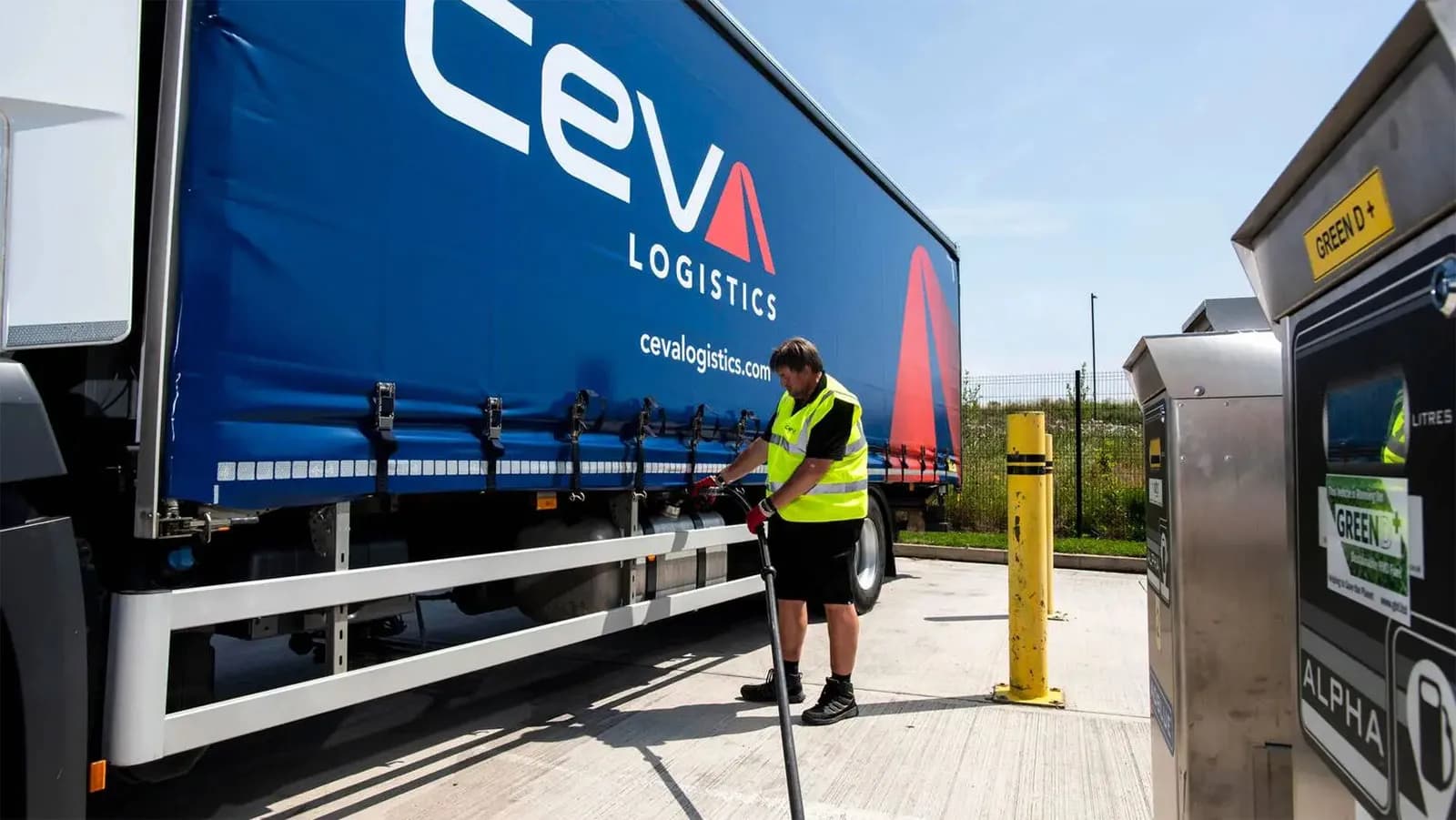
The company attributes this performance to conditions in the freight forwarding services market and the continued challenges facing the automotive sector. During the quarter, its subsidiary CEVA Logistics expanded its international operations through the acquisition of FedEx Supply Chain.
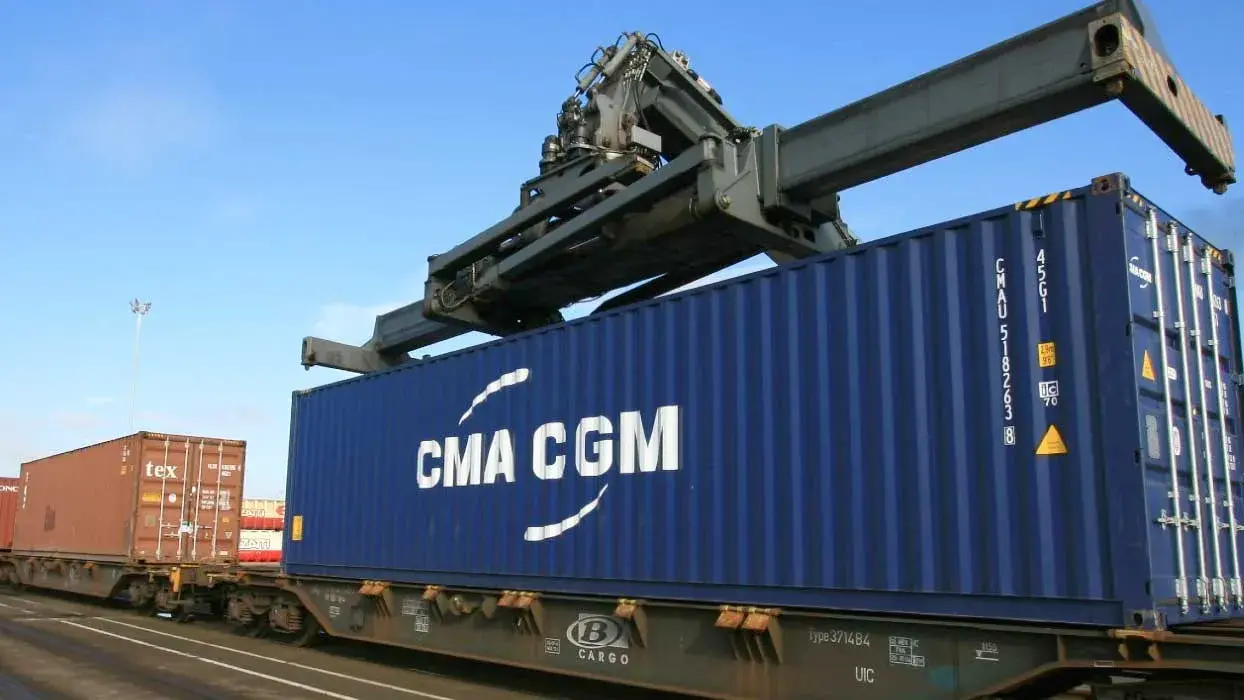
In the port sector, the French group continued developing its international terminal network through deals such as CMA Terminals' acquisition of a 49% stake in Nador Container Terminal in Morocco. This deal adds to its investments in port infrastructure, which also include Terminal 4 at the Saudi port of Jeddah, developed in partnership with Red Sea Gateway Terminal.
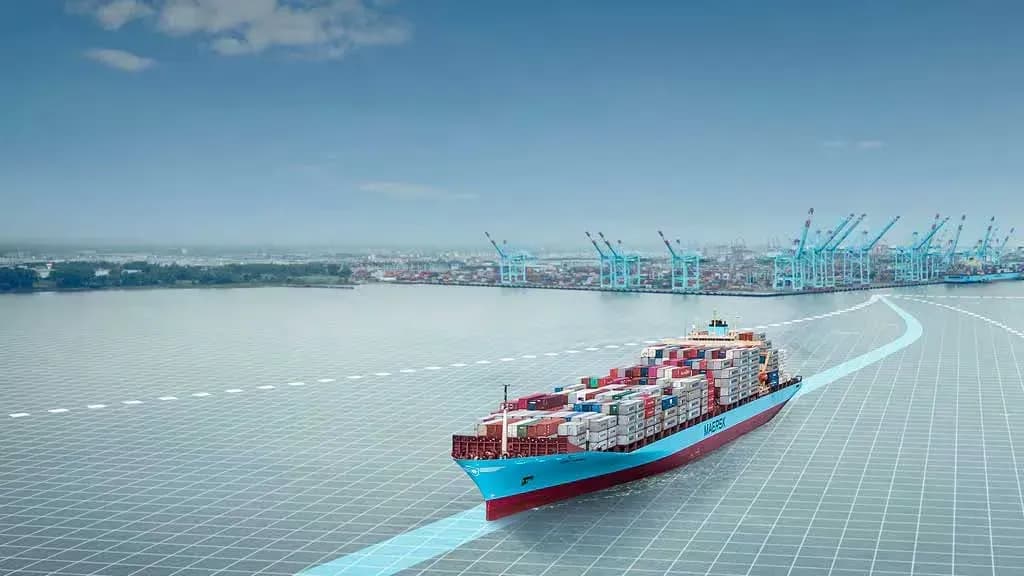
As for its fleet, CMA CGM has received the first vessels in its new series of 24,000-TEU container ships, including the CMA CGM Notre Dame, CMA CGM Pantheon, and CMA CGM Orsay. The ships, powered by liquefied natural gas, have joined the FAL service connecting Asia and Europe.
The company has also conducted alternative fuel bunkering operations, including bioethanol in Brazil, bio-LNG in Rotterdam, and biomethanol in Shanghai, as part of its fleet energy transition program.
Looking ahead to the coming months, CMA CGM expects maritime transport demand to continue growing, alongside freight rates that have been rising since the second quarter of the year. However, the shipping company warns of uncertainty associated with tensions in the Middle East, their effects on maritime routes and operating costs, and possible changes to international trade policies.