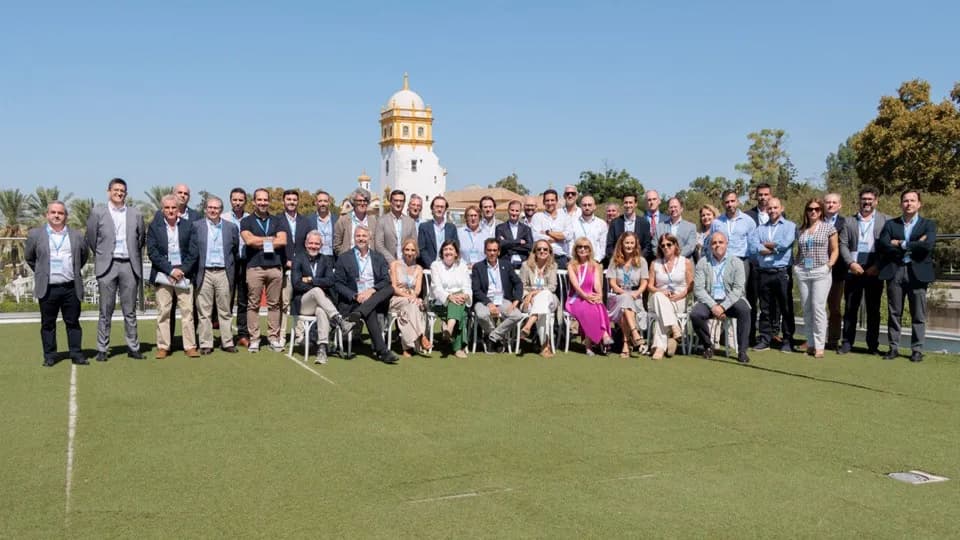
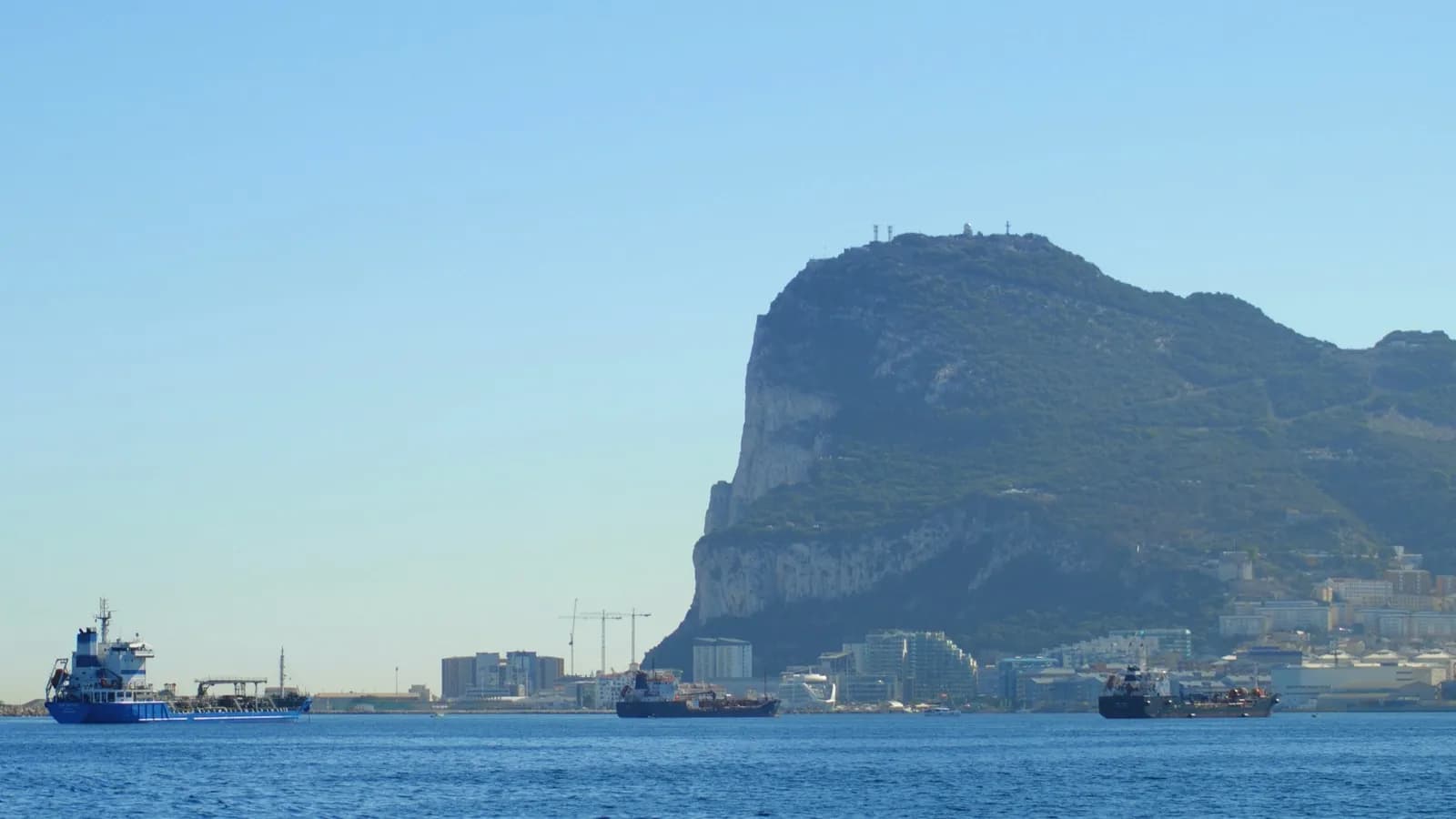
The Port Authority of the Bay of Algeciras (APBA) participated in the II TAI Forum Seville, held on September 24, where it shared its experience in digital transformation, technological innovation, and management of critical infrastructures. The meeting brought together technological leaders and executives from various Andalusian public administrations to analyze the challenges posed by the incorporation of new technologies into public services.
Under the title "Technological challenges for the future of the territory and the Andalusian company", the day addressed issues related to the modernization of digital infrastructures, cybersecurity, data governance, artificial intelligence (AI), and collaboration models between public bodies. The forum, organized by Grupo TAI Editorial, had the collaboration and participation of the Diputación de Sevilla, the Andalusian Logistics Cluster, and the Official College of Telecommunications Engineers of Western Andalusia and Ceuta.
The representation of the APBA was led by Jesús Medina Blanco, head of the Technological Development Area, who explained the challenges faced by the Port of Algeciras to incorporate new digital solutions without compromising the operation of its essential services. His speech focused on the need to reconcile the operational continuity of a strategic port infrastructure with technological modernization and the incorporation of tools aimed at improving the efficiency of its processes.
One of the issues addressed was the planning and prioritization of technological projects in organizations that must maintain their activity continuously. In this context, Medina discussed the need to distribute resources between the maintenance and updating of existing systems and the incorporation of new capabilities related to automation, data processing, and the provision of services to the port community.
This planning requires considering both immediate operational needs and anticipated technological changes in the medium and long term. In the case of a port authority, decisions about new digital investments must take into account the characteristics of existing infrastructures, the continuity of services, and the integration of technological solutions into management and exploitation processes.
Among the examples presented during the meeting was the technological response of the Port of Algeciras during the electrical blackout of 2025. According to the experience conveyed by the APBA, different solutions implemented in the port contributed to maintaining the operability of services during that exceptional situation.
In particular, the operation of the private LTE communication network of the Port of Algeciras was addressed, an infrastructure that played a relevant role in maintaining communications and the continuity of operations during the electrical incident. This case served to examine the usefulness of having proprietary communication systems and technological solutions that allow for responses to situations that disrupt normal operating conditions.
The continuity of communications constitutes one of the aspects discussed in the debate about technological resilience, especially in facilities that depend on the coordination of different services and operators. The experience presented by the APBA has allowed for relating investments in connectivity to the operational needs of critical infrastructures in the face of possible interruptions or external incidents.
Another of the issues examined has been the adaptation of public procurement procedures to the development cycles of new technologies. Participants exchanged experiences about the difficulties that administrations encounter in incorporating digital solutions in an environment characterized by frequent technological changes and the emergence of new organizational needs.
The debate included the relationship between administrative procurement timelines, project planning, and the evolution of the tools available in the market. This issue affects the capacity of public organizations to update their systems and adopt technologies that require implementation and adaptation processes to existing infrastructures.
Cybersecurity also occupied part of the day, with special attention to the protection of critical infrastructures, information systems, and strategic data. Participants analyzed the challenges associated with the incorporation of new artificial intelligence capabilities and their implications for the security of digital environments. ha ocupado también una parte de la jornada, con especial atención a la protección de infraestructuras críticas, sistemas de información y datos estratégicos. Los participantes han analizado los desafíos asociados a la incorporación de nuevas capacidades de inteligencia artificial y sus implicaciones para la seguridad de los entornos digitales.
In this area, the need to reconcile the adoption of new technologies with protective measures for the systems that provide essential services was discussed. The debate included the security requirements that accompany the digitalization of administrations and the increasing use of information processing and analysis tools.
Additionally, the forum served to exchange experiences on data sharing between public organizations, the evolution of digital infrastructures, and the possibilities for the application of emerging technologies. Among the tools examined were artificial intelligence and digital twins, especially for their applications in information analysis and support for decision-making processes.
The participation of the Port Authority of the Bay of Algeciras has been framed in this exchange of knowledge among administrations, technological entities, and organizations linked to the logistics sector. During the day, experiences were shared on infrastructure management, contracting, digital security, and the adoption of new technological solutions, issues that are also part of the digitalization processes of the port system.