Andalusia exported goods worth 25.698 billion euros between January and July 2026, a 4.7% increase compared to the same period of the previous year, according to provisional data from DataComex, the foreign trade statistics of the Secretary of State for Trade prepared from customs declarations, compiled by EED Data, the data platform of El Estrecho Digital. The growth doubles that of the whole of Spain, whose exports totaled 236.587 billion in those seven months, with an increase of 2.2%. The community accounts for 10.9% of the country’s external sales.
Andalusian imports grew at a higher rate. They reached 26.358 billion euros, an 11.4% increase compared to January and July 2025, compared to the 5.3% of the national total. With these figures, the trade balance of Andalusia shows a deficit of 660 million euros and a coverage rate of 97.5%. In the same period of the previous year, with exports of around 24.544 billion and imports of around 23.653 billion, the balance was positive at around 890 million, according to the calculation by EED Data based on year-on-year variations. Andalusia represents 9.6% of Spain's external purchases, whose accumulated trade deficit up to July amounts to 38.005 billion, with a coverage of 86.2%.
According to the Andalusian Government, the community remains the third largest exporter in Spain and is the one that grows the most among the top three, with a 4.7% increase, compared to 1.7% for Catalonia and a decline of 2.9% for Madrid. The Andalusian Government attributes 0.5 points of its contribution to the growth of national exports, above the 0.4 points from Catalonia and -0.4 points from Madrid. The Vice President of the Junta and Minister of Economy, Finance and European Funds, Carolina España, has stated that "we not only grow at more than double the national average, but we do so demonstrating the enormous strength, competitiveness, and capacity for diversification of our companies, which are increasingly well positioned in international markets."
By products, and according to the Junta's balance, mineral fuels lead the sales with 3.292 billion euros, an 18.7% increase compared to the same period in 2025, occupying 12.8% of the total. They are followed by vegetables, with 3.158 billion, a growth of 12.6% and a weight of 12.3%, matching their best exporting record in history. In third place are fats and oils, with 2.682 billion. Within this category, olive oil sales decreased by 11.1%, down to 2.083 billion (8.1% of the total), a decrease that the Junta attributes to falling prices following the high harvest. Edible fruits and nuts occupy the fourth position, with 2.552 billion, a 0.4% decrease, and a weight of 9.9%.
The rest of the top ten categories are completed by minerals, with 1.343 billion (5.2% of the total) and the highest growth on the list, at 39.7%; copper and its manufactures, with 1.236 billion (4.8%) and a decrease of 5.2%; aircraft, spacecraft, and their parts, which rose by 24.7% to exceed 1.173 billion (4.6%); machinery and electrical material, with 1.002 billion (3.9%) and an increase of 2.3%; iron and steel casting, with 634 million (2.5%) and a growth of 14.8%; and preparations of vegetables and fruits, with 502 million (1.95%) and a decrease of 2.7%.
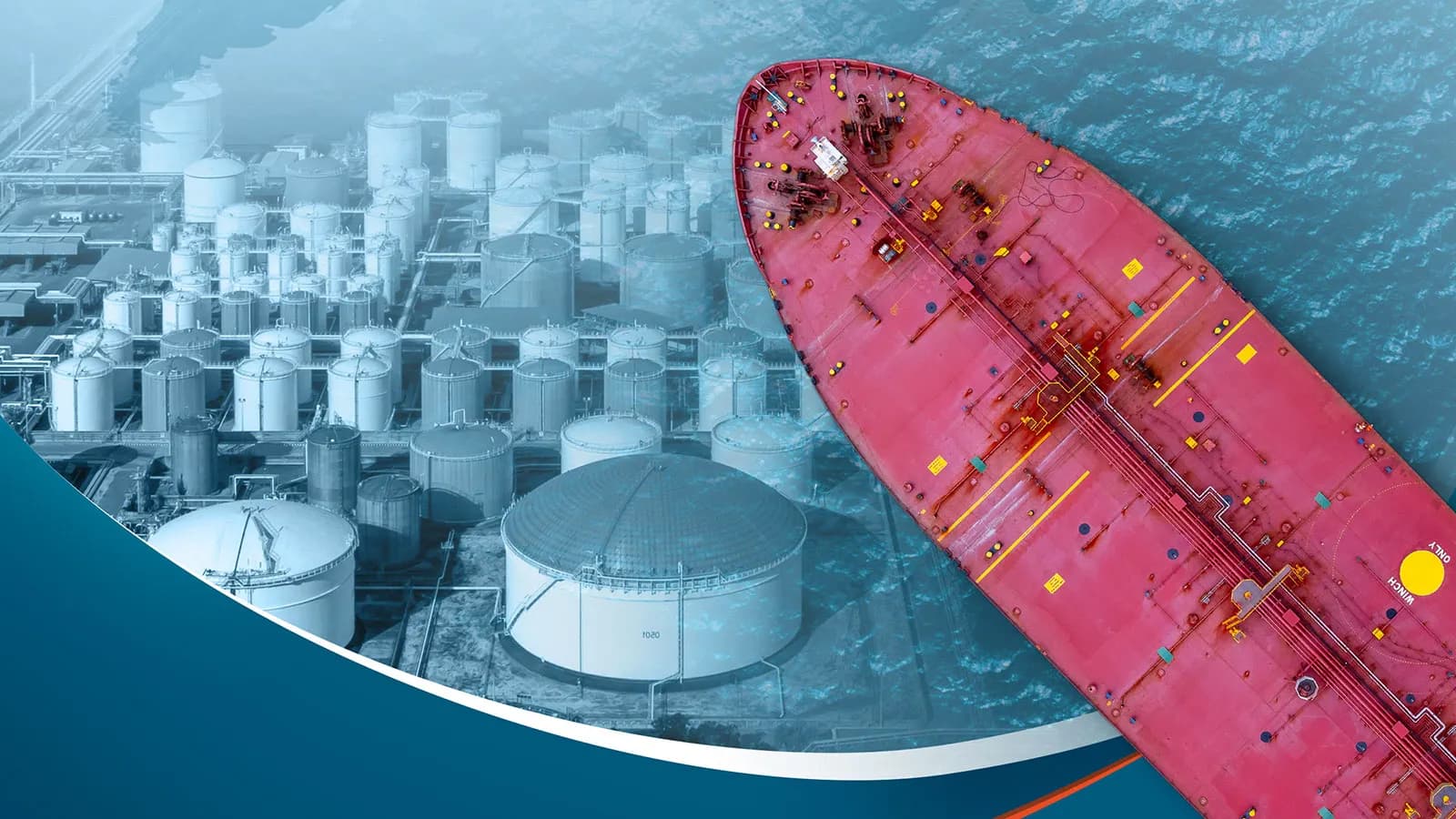
Provincial data from DataComex allows us to locate the origin of mineral fuel sales, corresponding to chapter 27 of the tariff. The province of Cádiz exported 2.310 billion euros in this chapter between January and July, an 11.7% increase, and Huelva, 880 million, with a rise of 38.8%. Together, they account for 3.190 billion, 97% of the total attributed to this chapter in Andalusia. Fuels represent 47% of everything exported by the province of Cádiz. This chapter has a greater weight in purchases: Cádiz imported fuels worth 4.915 billion, a 27.1% increase, and Huelva 3.427 billion, a 14.5% increase. These two items total 8.342 billion, 31.6% of Andalusian imports, and their combined increase of around 1.482 billion accounts for just over half of the total increase in external purchases of the community, estimated at 2.706 billion.
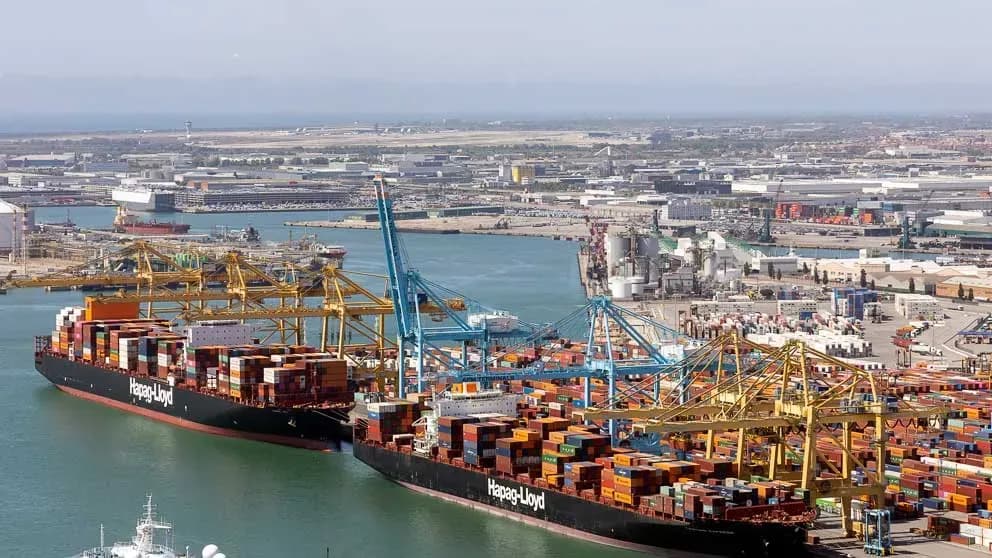
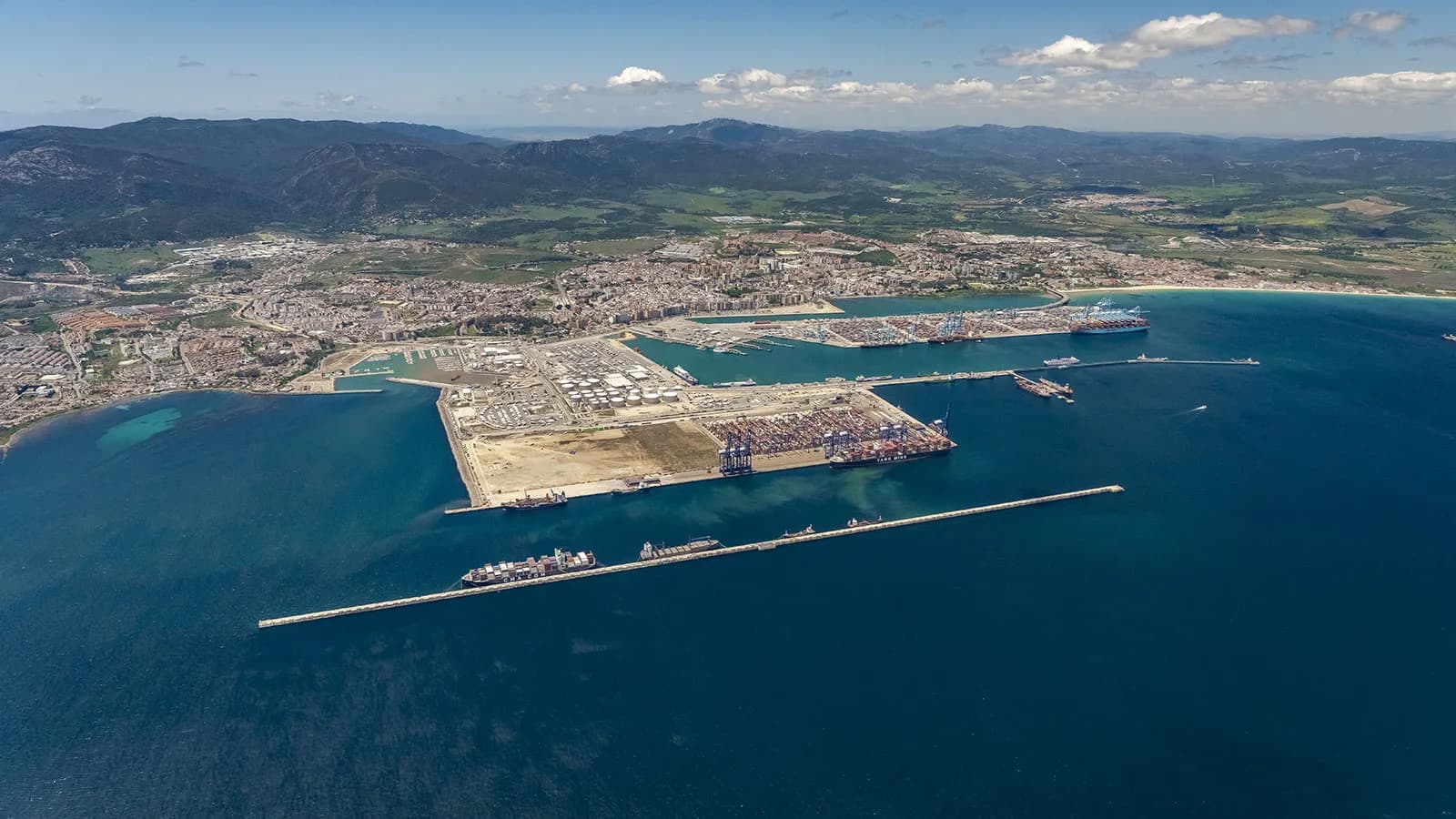
The province of Cádiz closed the first seven months with exports of 4.888 billion euros, a 2.1% decrease, representing 19% of the total for Andalusia and placing it 17th among Spanish provinces. Its imports reached 7.011 billion, with a deficit of 2.123 billion. While fuel sales grew, the overall figures for other categories fell by around 12%. Among the main products from Cádiz, iron and steel casting totaled 484 million (+21.6%); machinery and electrical material, 310 million (+0.7%); organic chemical products, 231 million (+42.5%), and fish, crustaceans, and mollusks, 175 million (+1.6%).
Regarding markets, the Junta indicates that Andalusia sells to countries on four continents within its list of the top ten destinations. Germany tops the list with 3.092 billion euros, a 12.1% growth and a share of 12%. It is followed by Italy, with 2.609 billion (+21.6%; 10.2%), and France, with 2.554 billion (+15%; 9.9%). Portugal occupies the fourth position, with 2.462 billion (+7.1%; 9.6%), and the United States, the first non-European destination, is fifth, with 1.445 billion (5.6%) and a decrease of 6.9%. Next comes the United Kingdom, with 1.285 billion (5%) and a drop of 6.6%; China, with the largest increase on the list, at 27.9%, reaching 1.210 billion (4.7%), in line with the trend thatEl Estrecho Digital collected with data up to May; the Netherlands, with 1.110 billion (4.3%) and a decrease of 3%; Morocco, with 1.021 billion (4%) and a decline of 4.9%, and Belgium, with 633 million (2.5%) and an increase of 4.3%.
The case of Morocco presents a different evolution compared to the whole of Spain. Spanish exports to the neighboring country amounted to 7.580 billion euros up to July, a 3.4% increase, while Andalusian exports fell to represent 13.5% of this total. The province of Cádiz is the main origin of Andalusian sales to Morocco, with 418 million and 40.9% of the regional total, although it registers a drop of 9.9%. Córdoba occupies second place, with 241 million and a growth of 15.8%, followed by Huelva, with 134 million (-1.4%), and Seville, with 76 million (-21.2%). In the opposite direction, Andalusia imported products worth 1.008 billion from Morocco, an 8.1% increase, so the bilateral balance is almost balanced. Málaga is the province that buys the most from the neighboring country, with 321 million.
In the provincial distribution, exports grew in six of the eight provinces, four of them with historical records according to the Junta, and five show a positive trade balance. Sevilla leads in absolute value with 5.292 billion euros, a 1.8% increase, accounting for 20.6% of the total for Andalusia and a coverage rate of 129%. Following Cádiz is Huelva, with 4.756 billion, a growth of 6.5% and a share of 18.5%, although with a trade deficit of 2.389 billion. Almería reaches 4.194 billion, a record figure, with an increase of 11.1%, a share of 16.3%, and a coverage of 171.5%. Córdoba, also at a high, totals 2.310 billion (+7.2%), with a coverage of 165% and a share of 9%. Málaga, with 2.235 billion (8.7% of the total), records the highest growth of all provinces, at 12.9%, and a record figure, although it maintains a negative balance of 138 million. Granada, with 1.168 billion (4.5%), grows 6.2% and reaches its maximum for this period, with a coverage of 109.5%. Jaén closes the ranking with 856 million (3.3%), a 2.6% decrease, and a coverage of 106%.
The data from this information can be consulted in more detail in the foreign trade section of Andalusia from EED Data, the data platform of El Estrecho Digital, which collects the evolution of exports and imports from each of the eight Andalusian provinces. The general foreign trade section also allows for comparisons of the main partner countries and products of Spanish trade, with information that is updated every month.