The Clean Shipping Coalition (CSC) has called on the member states of the International Maritime Organization (IMO) to maintain their support for the current Net-Zero Framework (NZF) and to avoid new modifications that, in their view, would reduce the effectiveness of the climate agreement reached after several years of negotiation.
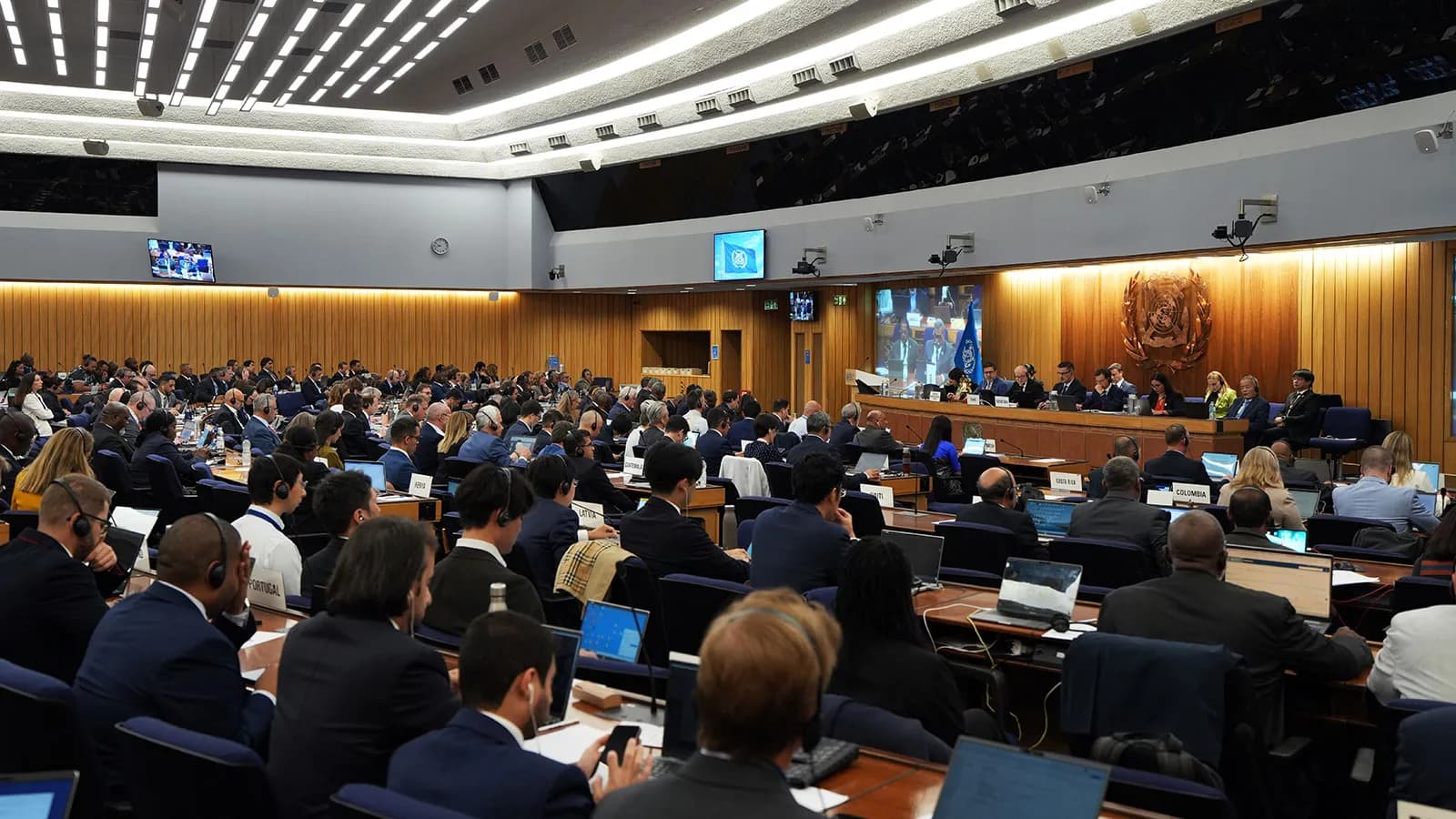
The organization has made this call coinciding with the celebration in London, from September 1 to 4, of the 22nd meeting of the Intersessional Working Group on greenhouse gas emissions reduction from ships, ISWG-GHG 22. The discussions include the future of the NZF and its potential adoption in December during MEPC 85/ES.2.
The framework was approved during MEPC 83 in 2025 and incorporates a global fuel standard aimed at progressively reducing the greenhouse gas intensity of marine fuels, along with a payment system associated with non-compliance with certain emissions levels. The CSC believes this scheme, despite being less ambitious than what environmental organizations initially advocated, currently constitutes the point of agreement with the most political support among member states.
The president of the Clean Shipping Coalition, Lukas Leppert, argues that any further weakening of the text would lead to a slower transition and higher costs. The coalition links the adoption of the framework to the goals of the IMO's Greenhouse Gas Strategy, which aims to achieve net-zero emissions around 2050 and sets indicative reduction levels for 2030 and 2040.
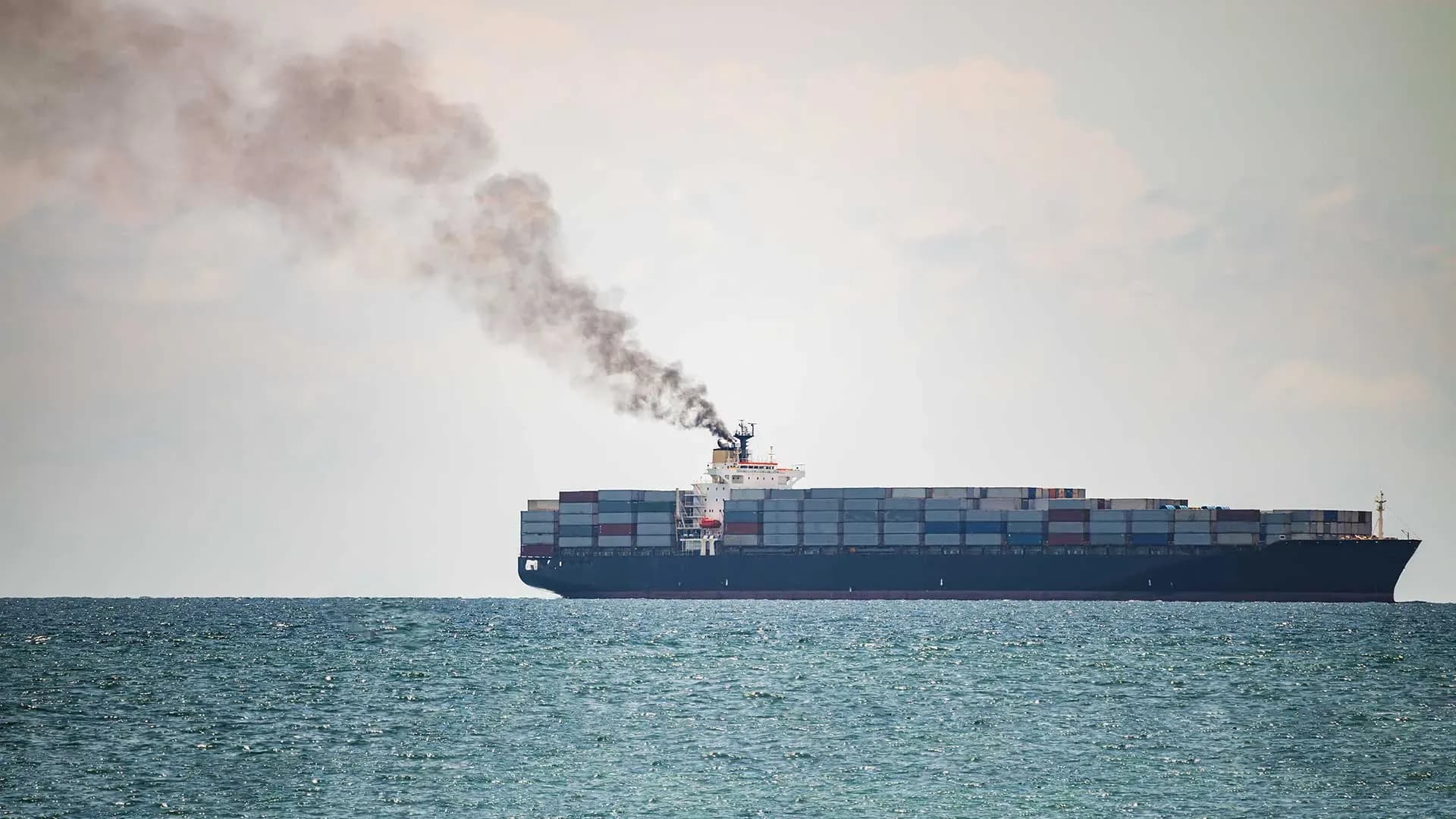
The organization recalls that shipping accounts for approximately 2% to 3% of global greenhouse gas emissions. Based on this diagnosis, it considers that the economic measures included in the NZF are necessary both to modify the investment decisions of the sector and to finance a transition deemed fair and equitable for the states most exposed to its effects.
Among the issues being debated is the development of the life cycle assessment framework for the IMO's fuels. This system will determine the emissions well-to-wake and the sustainability criteria that will apply to the fuels used by the international fleet.
The CSC demands that this methodology considers the real emissions of methane-based fuels, including LNG and biomethane, in addition to the effects arising from land use and other environmental and social criteria. According to the coalition, the configuration of these rules will be decisive in establishing which fuels gain advantages within the future international system.
The organization has also analyzed several alternative proposals presented by member states in recent months. Among them, it positions the initiatives from Liberia and Japan as those presenting the greatest differences regarding the current design of the Net-Zero Framework.
The proposal from Liberia would replace the reduction trajectory towards net-zero emissions with a system that would allow for conventional fuels to be maintained when lower-carbon intensity alternatives are not available or are too costly. The approach also grants greater weight to the trade of surplus units and eliminates the obligation to make payments to a central fund.
The Clean Shipping Coalition believes this architecture would reduce economic incentives to abandon conventional fuels and limit the resources available to compensate for disproportionate impacts on certain states. The organization understands that the approach constitutes a structural modification of the system designed so far.
Japan has, for its part, presented an alternative formula for managing compliance payments. Rather than necessarily directing them to a centralized fund, the system would allow shipowners to allocate those amounts to directly selected projects.
The CSC questions this mechanism as it considers it could reduce control over the destination of resources. It also points out procedural issues related to the timing of the proposal's submission, as it was not distributed six months in advance of MEPC 85, a usual requirement for the adoption of modifications.
The coalition advocates for the existence of a fund managed by the IMO or another independent entity and believes it must have sufficient resources to support states that may suffer disproportionate economic effects during the energy transition.
Alongside the proposals from Liberia and Japan, environmental organizations have analyzed the initiatives presented by Brazil and several Pacific island states.
The Brazilian proposal outlines a less demanding initial emissions reduction trajectory than that contemplated in the current NZF and concentrates a larger part of the effort starting in 2040. According to the CSC's analysis, this delay could generate higher accumulated costs during the transition and initially reduce revenues earmarked for financing support measures.
The Brazilian approach also incorporates a so-called 'facility' to address the distributive effects of the transition. The coalition believes that its capacity will depend on the final configuration of the mechanism and the resources available to assist countries exposed to negative economic impacts.
In a different vein, the proposal presented by several members of the IMO from the Pacific contemplates applying a carbon tax to all greenhouse gas emissions from shipping. The CSC believes this model would generate a broader economic signal to reduce emissions and provide greater resources to finance the energy transformation of the sector and measures aimed at affected countries.
The coalition supports this proposal as a reference for an alternative model with greater potential reductions, although it maintains that the currently negotiated Net-Zero Framework constitutes the midpoint with the most backing among member states and should not be subjected to further reductions.
The CSC also links these discussions to the postponement that occurred in 2025, when the extraordinary session MEPC ES.2 was suspended for one year. The organization believes that further delays could push investment decisions to later periods and concentrate adaptation costs into shorter time frames.
The debate will continue during ISWG-GHG 22 and the subsequent meetings of the IMO, with December as a new reference for deciding on the adoption of the international regulatory framework for reducing shipping emissions.