The APBA establishes the traceability of 100% of its operational processes as a digital goal for 2030

The Strategic Plan transforms the Port of Algeciras into a "Just-in-time Port" with total event prediction through artificial intelligence, complete automation of procedures, and more than 40 companies from the Port Community in innovation initiatives.

The APBA establishes the traceability of 100% of its operational processes as a digital goal for 2030
Add us as a preferred source on Google

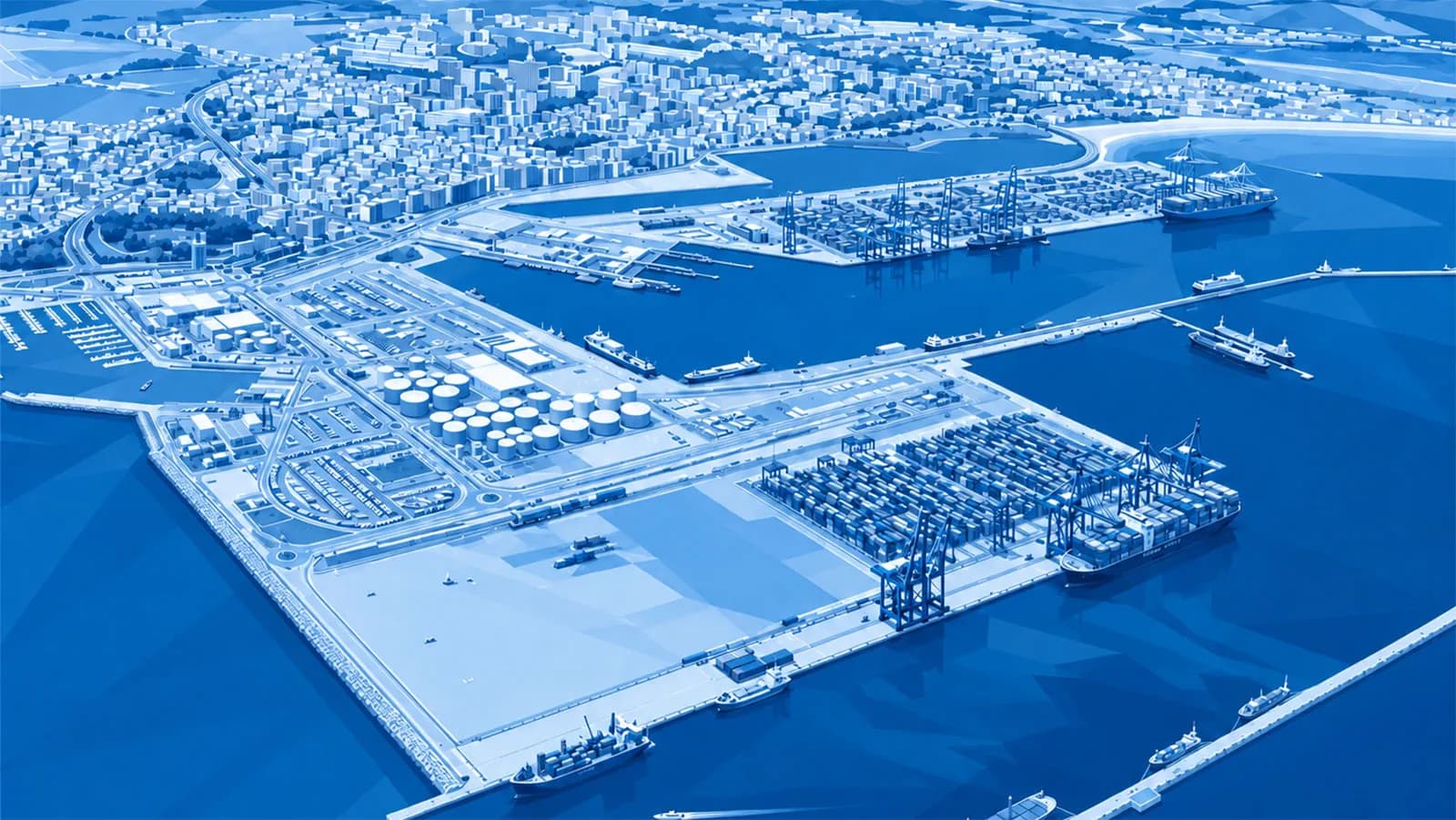
Under the concept of "Just-in-time Port" —a port without waits or downtime—, the Port Authority of the Bay of Algeciras (APBA) has grouped in its Strategic Plan 2030 with a 2040 vision the set of digital commitments it aims to finalize by the end of the decade. The block, integrated into the strategic objective P3 of the document, proposes four quantitative goals of 100%: traceability of operational processes through advanced digital technologies, prediction and prescription of operational events with artificial intelligence, automation of internal procedures, and integration with the main global logistics chains. To these goals are added two formulations without percentages but equally ambitious: zero downtime and zero avoidable waits through the digital orchestration of operations, and the participation of more than 40 companies from the Port Community in joint innovation initiatives.

The strategic objective P3 is summarized in one sentence: "agile, advanced, coordinated port operations based on reliable real-time predictions and prescriptions that enhance the operational efficiency of the port in all its key areas." Translated into concrete operations, it means that the APBA aspires for each truck movement, each ship docking, and each documentary procedure to be recorded, anticipated, and fitted into a sequence without empty times. The term Just-in-time —taken from industrial production— synthesizes that logic: arrive when it corresponds, depart when it corresponds, and avoid waiting as an avoidable cost.

The commitment fits within the European framework that has governed the sector since last year. Regulation (EU) 2019/1239, which creates the environment of the European Maritime Single Window (EMSWe), came into effect on August 15, 2025, and repealed Directive 2010/65/EU. The standard establishes a single entry point for information regarding ship dockings that Ports of the State manages in Spain through the DUEPORT platform, in its capacity as the national coordinator of EMSWe. In parallel, the European SEMAS-EMSWe project, led by the Valenciaport Foundation and with Ports of the State among its institutional partners, co-finances, in accordance with the Connecting Europe Facility, the adaptation of national windows to the new environment. The "digital integration with the main global logistics chains" that the plan sets as a goal responds to that framework.

The figure of more than 40 companies from the Port Community in innovation initiatives is probably the most verifiable of the goals of the block. The APBA already operates a Port Innovation Committee for the Bay of Algeciras, with stable representation from the business community. Its sessions have rotated over the last few months between the headquarters of the Port Authority, the Chamber of Commerce of Campo de Gibraltar, and the Algeciras Technological Campus Foundation (FCTA), and have incorporated as vocal members companies from the ecosystem —Continental Parking joined in November 2025—. In April 2026, the APBA supported 29 initiatives within the IV Call of the Ports Innovation Fund 4.0, managed by Ports of the State. Throughout the four calls, the Port Authority has analyzed more than 130 proposals and supported 101, of which 17 have received funding.

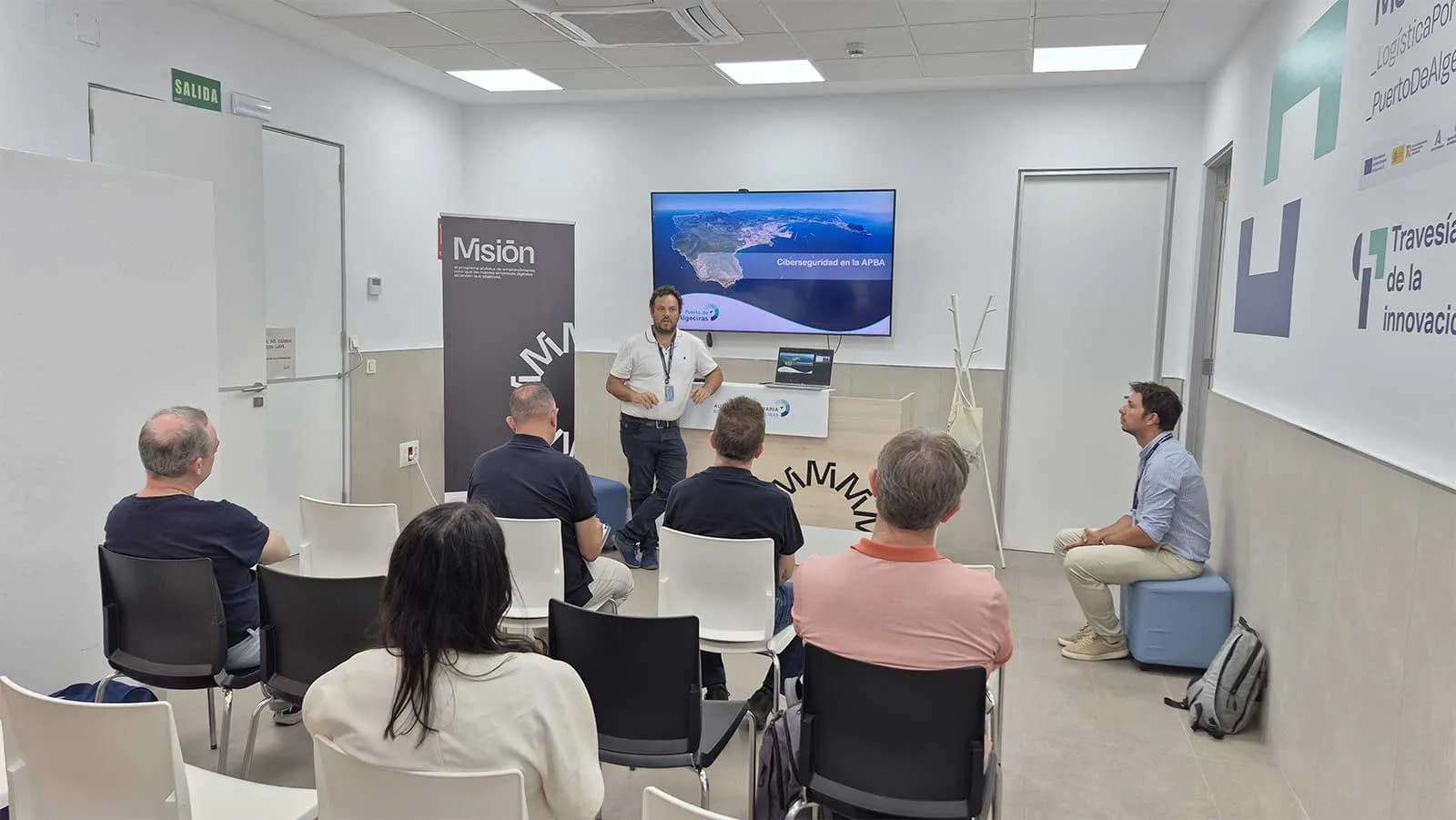
The ecosystem already has deployed solutions that anticipate the goals of the plan. The TTI Algeciras terminal has been operating since 2025 a prior appointment system for truck access that organizes and streamlines daily flow. Maersk Technology, with a team in Algeciras, has internally developed an AI-based assistant that optimizes communications between the shipping company and the terminals. The APBA keeps the Port Community System (PCS) operational, the tool that provides predictive information about strategic traffics such as RoRo and passenger, and has incorporated external solutions like EmissionInsider —from the Dutch start-up PortXchange— for real-time identification of emission sources. The Digital Entrepreneurship Center of the Port of Algeciras, promoted by the Junta de Andalucía as part of the Andalucía Mission program, hosts start-ups from the sector and acts as a quarry for the ecosystem. In May 2026, the APBA called for bids for 602,000 euros of base budget and up to 1.03 million of estimated value for the Technical Office for Coordination of Innovation Activities, the instrument with which it manages that network of projects.

The digital block has two specific operational derivatives for the traffic of the Strait. The first is the new governance model for road traffic between Algeciras and Tangier Med, which the APBA proposes to organize coordination between shipping companies, terminals, customs services, and authorities. The second is the optimization of the connection with Ceuta. Both are part of the Hercules Plan package, with which the Port Authority groups the goals for Strait traffic: 800,000 trucks per year by 2030, one million by 2035, 7.5 million passengers, expansion of the Border Control Post in 2028, and new ROPAX berths in La Galera. The logic of Just-in-time Port translates in this area into less waiting times for trucks and passengers and into a more predictable use of installed capacity.

Digitalization also appears in the diagnosis of the environment that the APBA has incorporated into the plan. The PESTEL analysis places the "advance of logistical digitalization" as one of the six sectorial trends that mark the working framework, along with the single window, terminal automation, IoT, blockchain, data exchange platforms, and advanced technologies. This trend intersects with objective C4 of the plan itself, which commits the APBA to "become a systematic innovative port, channeling innovation as a key business process, and involving all sectors of the blue economy."

The horizon of 100% traceability, total prediction with artificial intelligence, and complete automation of procedures is demanding, especially in a port that combines the highest volume of containers in the Spanish port system with intensive traffic of the Strait that involves passenger and truck operations. The APBA proposes to achieve these goals through three simultaneous avenues: the European regulatory framework, coordination with its Port Community, and the technological update of its own management tools. Its execution will determine whether the concept of Just-in-time Port remains as a conceptual framework or becomes daily operational by 2030.

- A D V E R T I S I N G -

Share

Related content

You may also be interested in

NEXT TOTAL SOLAR ECLIPSEAugust 2, 2027

Totality returns to the Strait of Gibraltar

In less than a year, the Moon's shadow will sweep across southern Spain with over 4 minutes of total darkness over Algeciras, Tarifa, and Gibraltar.

---Days
--Hours
--Mins
--Secs
Explore Eclipse Special