Morocco is accelerating one of the most ambitious maritime infrastructure strategies in the region, with investments estimated at about 75 billion dirhams, equivalent to around 8 billion dollars, to expand ports, logistics corridors, and facilities related to naval repair by 2030.
The program is part of the country’s long-term port strategy and is being developed in a context of increasing international competition for maritime routes, supply chains, and infrastructure associated with clean energy. Moroccan authorities position ports as central pieces of their logistics, industrial, and energy policy, with the aim of turning the country into a connection point between Europe, Africa, and the Atlantic realm.
According to Sanae El Amrani, director of Ports and Maritime Public Domain of the Ministry of Equipment and Water, the plan includes the construction of six new ports, the expansion of five existing facilities, and the development of six maintenance and naval repair docks. This last line of action seeks to reduce dependence on foreign shipyards and strengthen national maritime and industrial capacities.
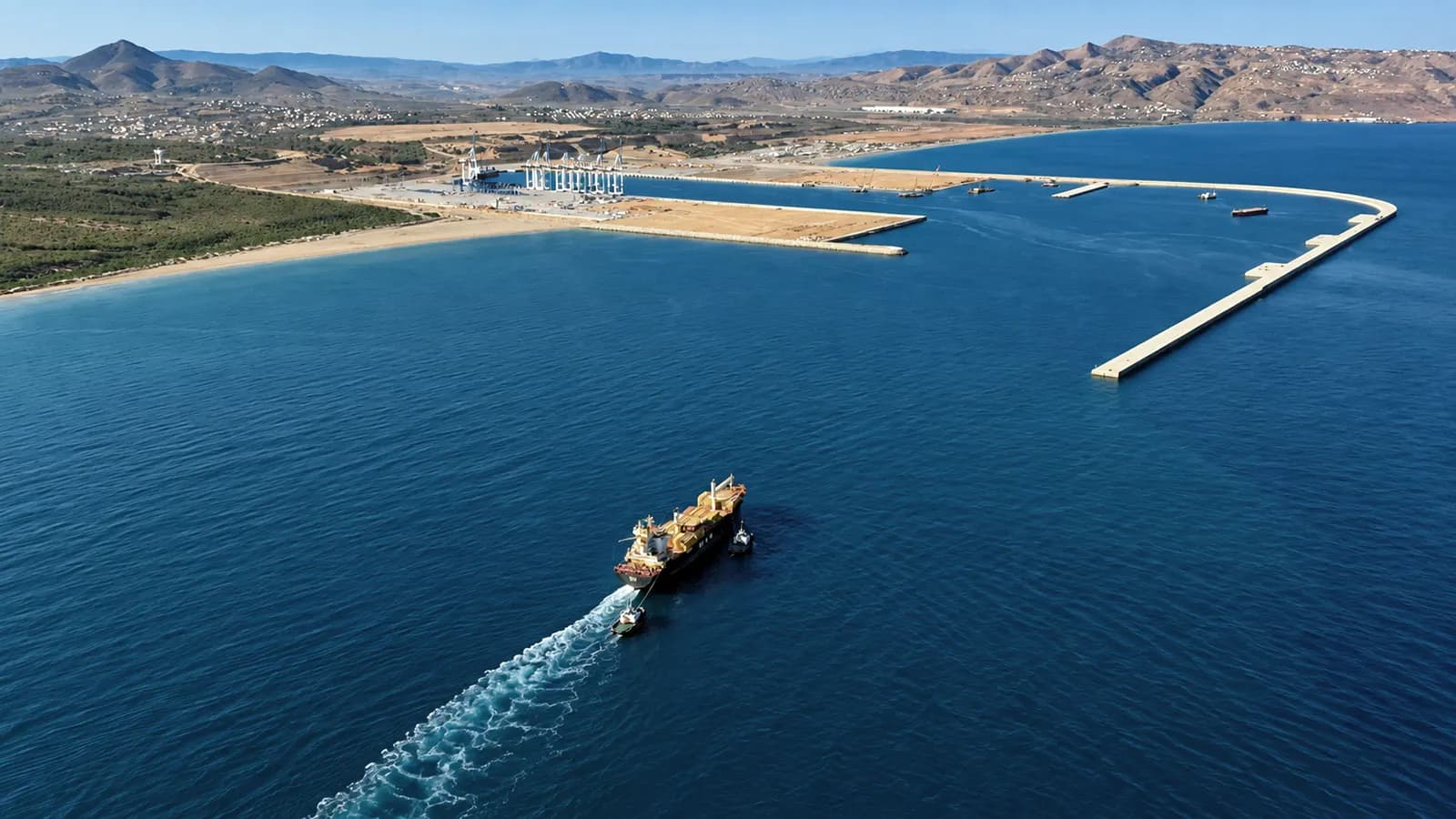
Among the main projects is Nador West Med, a large Mediterranean port whose completion is scheduled for this year. This is joined by the Atlantic port of Dakhla, located in the south of the country, which has already reached about 58% of completion and is poised to play a central role in Morocco's Atlantic and African projection.
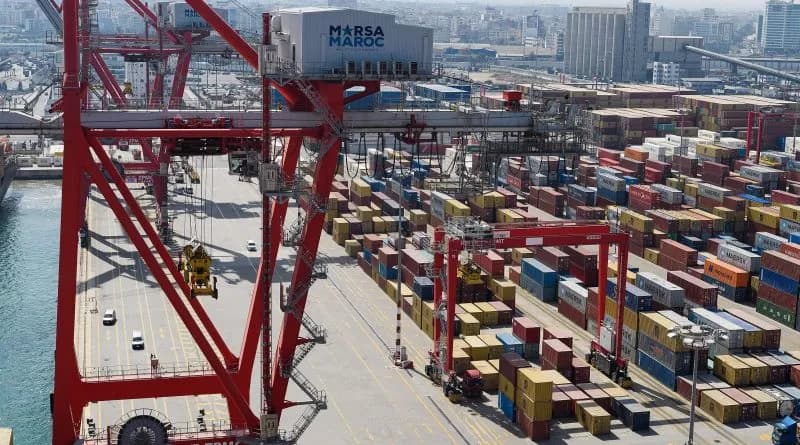
Rabat plans to increase the annual handling capacity of Moroccan ports by approximately 15%, exceeding 450 million tons by the end of the decade, compared to the current nearly 390 million tons. Port activity has already recorded significant growth, with about 262 million tons managed last year, representing an annual increase of 8.9%.
The country has about 3,500 kilometers of coastline between the Atlantic and the Mediterranean, a geographic position that authorities consider one of its main strategic assets. Morocco operates 44 ports, of which 14 are dedicated to foreign trade, allowing it to position itself as a natural connection platform between Europe, Africa, and America.
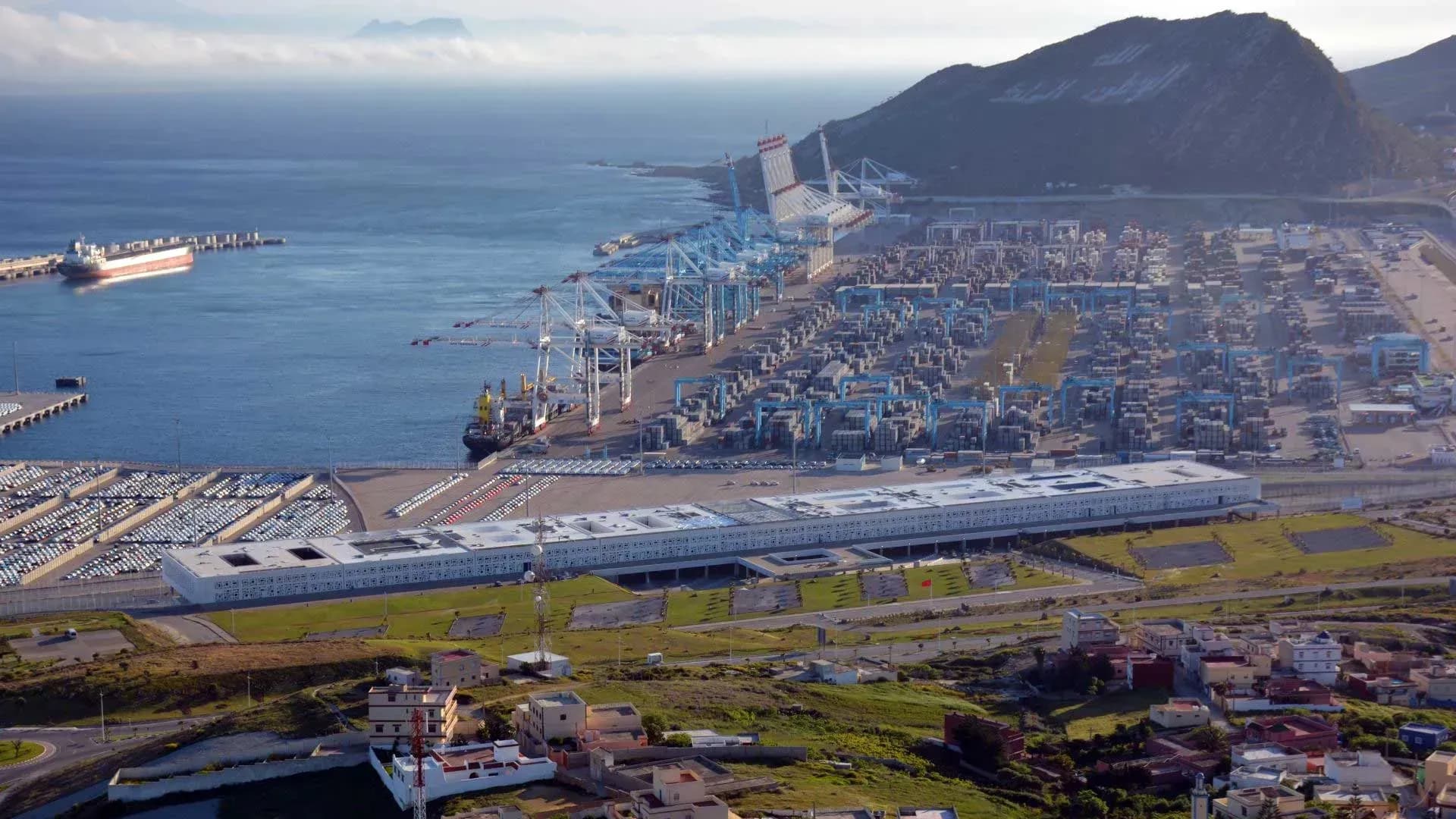
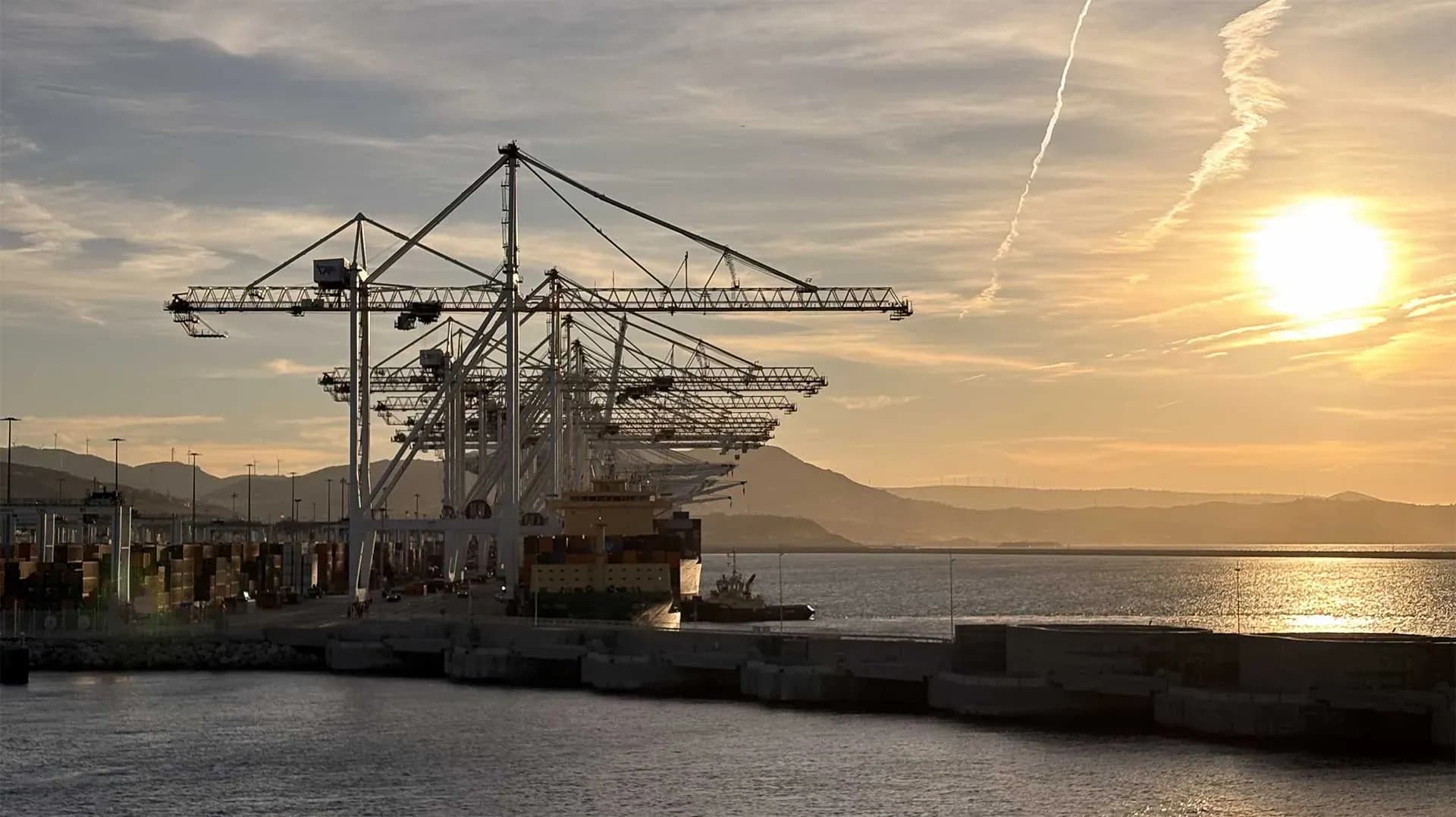
Tangier Med occupies a central place in this maritime transformation. Since it began operations in 2007, the complex has established itself as the largest port in Africa and the Mediterranean basin. Its evolution has exceeded the strictly port function to become an integrated industrial and logistics ecosystem, with manufacturing zones oriented towards export, including the Renault production center and a network of industrial suppliers linked to Europe.
The Moroccan strategy, however, is increasingly looking towards the Atlantic. The Atlantic port of Dakhla is emerging as one of the key projects of Rabat's economic and geopolitical vision for Africa. Moroccan authorities foresee that this infrastructure will serve as an access point for Sahel countries to international trade routes through the Atlantic Ocean.
Nesrine Ayouch, the port development director, has linked the project to regional initiatives aimed at facilitating Atlantic access for landlocked Sahel countries and the future Nigeria-Morocco gas pipeline. In 2023, Rabat launched an initiative aimed at providing Atlantic access to countries such as Mali, Niger, Burkina Faso, and Chad, with Dakhla as one of its main logistical supports.
The port of Dakhla has already attracted about 1.4 billion dollars in investments through public-private collaboration formulas. The total spending on infrastructure is projected to be about 3 billion dollars, along with another 2 billion linked to logistical investments. Its completion is expected by 2028, with an annual capacity of 35 million tons and depths of up to 80 meters, allowing it to accommodate some of the largest cargo ships in the world.
Morocco's maritime strategy is also related to changes in international energy priorities. The government is preparing its ports to handle exports related to green hydrogen and renewable energy industries, at a time when Europe is seeking clean energy suppliers close to its markets.
Authorities are developing specialized infrastructure in Tan-Tan, near areas planned for large solar and desalination projects, while Nador and Dakhla are preparing to manage future products and derivatives of green hydrogen.
The infrastructure strategy is part of a broader program, exceeding 100 billion dollars between 2025 and 2030, which includes transportation, logistics, and energy projects before the 2030 World Cup, which Morocco will co-organize with Spain and Portugal. In parallel to port investments, the country is developing a plan of nearly 14 billion dollars to modernize airports and railway networks, including the expansion of high-speed systems.