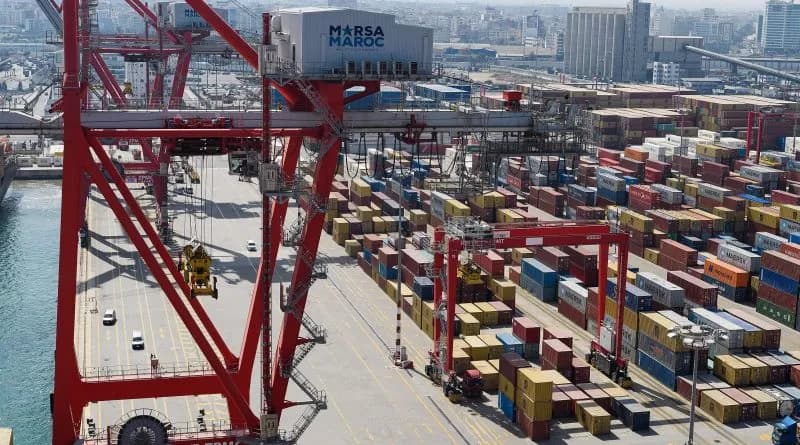
Marsa Maroc has closed the first half of 2026 with a total traffic volume of 34.5 million tons, a 3% increase compared to the same period of the previous year, according to the financial indicators published by the group for the second quarter. The growth has been mainly supported by the increase in domestic container traffic and in solid and liquid bulk.
During the second quarter, the handled volume was 18.2 million tons, representing a year-on-year increase of 2%. Over the six-month period, container traffic reached 1,520,260 TEU, 1% more than a year earlier, although with different behaviors between import and export flows and transshipment movements.
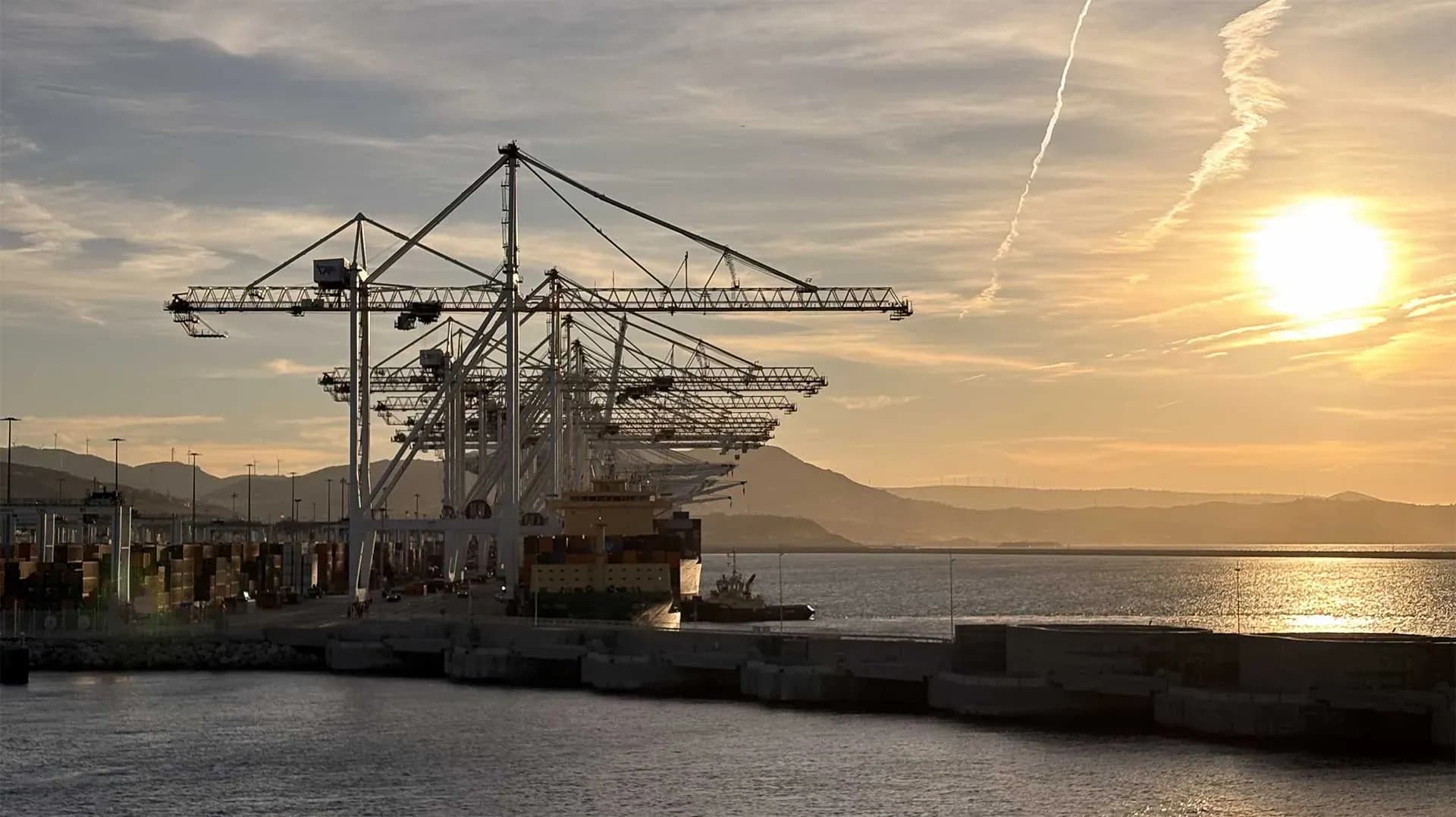
Domestic container traffic increased by 7%, reaching 697,594 TEU. Marsa Maroc attributes this evolution to the growth in foreign trade. In contrast, transshipment traffic fell by 4%, down to 822,666 TEU. The company relates this reduction to an operational decision aimed at specializing its terminals' activities, concentrating the Casablanca port container facilities on domestic traffic and maintaining Tanger Alliance focused on transshipment.
Solid bulk and general cargo together reached 11.7 million tons during the first half of the year, a 3% increase in year-on-year terms. Within this segment, solid bulk grew by 6%, a development particularly linked to the imports of animal feed and scrap.
Liquid bulk traffic also recorded a growth of 6%, amounting to 5.9 million tons. These movements have contributed, along with the behavior of domestic containers, to the overall increase in the volume managed by the group during the analyzed period.
The activity related to vehicle traffic also recorded positive rates. Marsa Maroc accounted for 81,619 units of new vehicles, a 12% increase compared to the first half of 2025. For its part, the so-called IRT traffic reached 15,936 units, with a 14% increase compared to the same period of the previous year.
In economic terms, the group's consolidated revenues amounted to 3.214 billion Moroccan dirhams during the first six months of the year, compared to 2.842 billion recorded in the first half of 2025. The change represents an increase of 13%.
Only during the second quarter, the revenue figure reached 1.779 billion dirhams, compared to 1.562 billion from the same quarter of the previous year, representing a growth of 14%. The company links this evolution to both the increase in handled volumes and the improvement in revenues from its logistics activities.
The investment chapter has registered a considerable variation during the semester. Marsa Maroc has recorded consolidated investments worth 3.433 billion dirhams, compared to 1.293 billion in the first half of 2025. The increase is 166%.
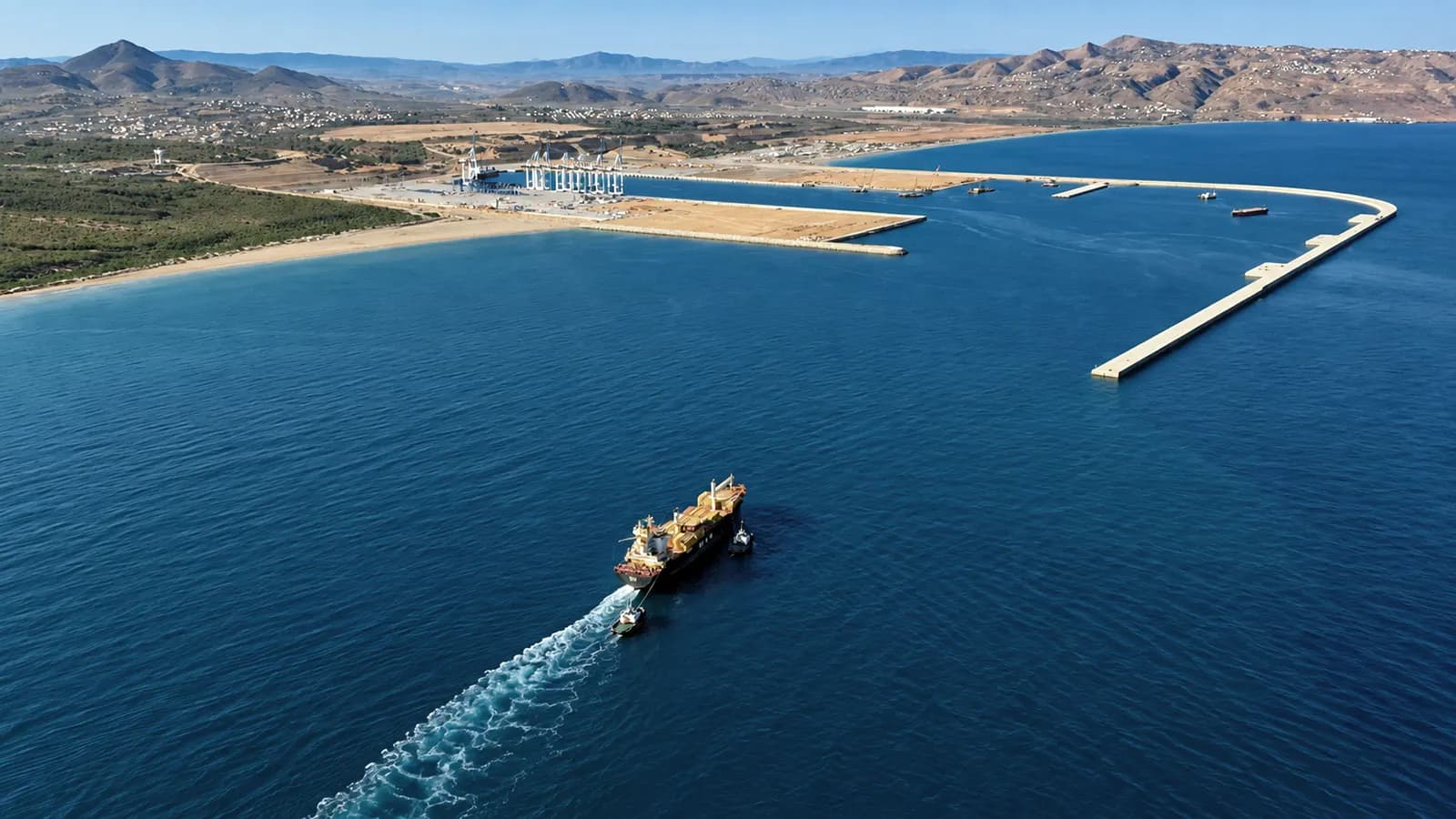
According to the financial information published by the group, these investments have been primarily allocated to the development of port infrastructures and the acquisition of equipment intended for the new terminals of the Nador West Med port.
The consolidation structure of Marsa Maroc has also undergone changes during the second quarter with the incorporation of two companies related to Nador West Med. The first is Nador Container Terminal (NCT), responsible for the operation of the West Terminal in its container activities. The company is fully consolidated as of June 30, 2026.
The document specifies that NCT will be 51% owned by Marsa Maroc once CMA Terminals completes its entry into the capital with a 49% stake. After this operation, the company will continue to be integrated using the global consolidation method.
The second incorporation is West Med Towage (WMT), responsible for port towing services in Nador West Med. Marsa Maroc holds a 49% stake in this company, which is integrated into the accounts using the equity method.
Regarding its financial position, the group presents a negative net financial debt of 1.138 billion dirhams as of June 30, 2026. This figure is the result of a financial debt of 1.647 billion dirhams and a cash availability of 2.785 billion.
At the end of the second half of 2025, the negative net debt stood at 753 million dirhams. The data corresponding to 2026 included in the financial communication is unaudited as of the date of publication of the document.