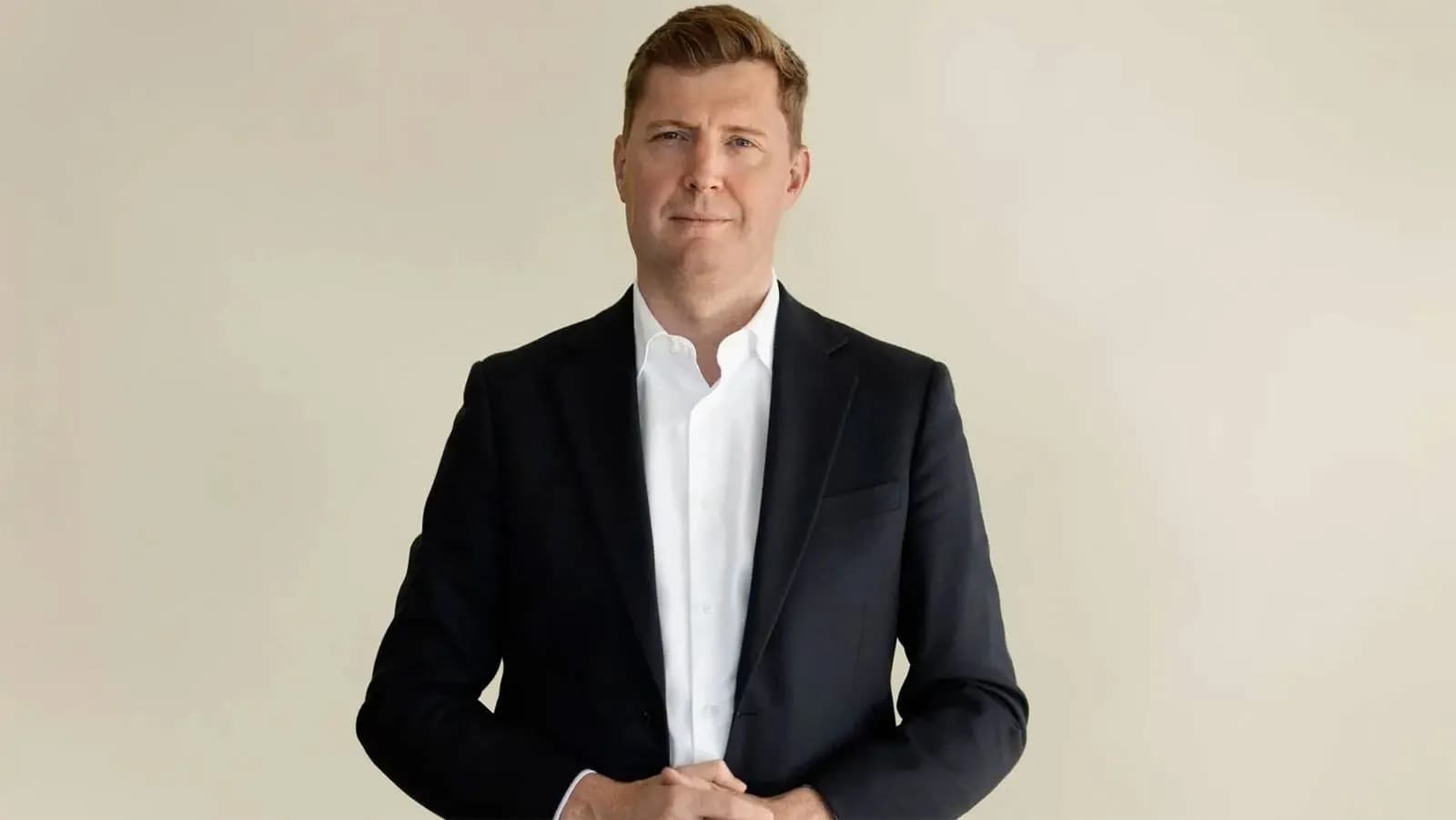
DFDS will undertake a change in the management of its ferry division following the departure of Mathieu Girardin, executive vice president, responsible for Ferry Division and a member of the group's executive management team. The executive will leave his role on August 14, 2026, after nearly four years at the helm of this business area of the Danish transport and logistics company.
The CEO of DFDS, Michael Hansen, will temporarily assume responsibility for Ferry Division until the company appoints a new head. The group has already begun the selection process for a successor, although it has not detailed the expected timelines for completing the hiring or communicated potential candidates.
Girardin joined DFDS in October 2022 and has since led a division that focuses on a significant part of the company's maritime and multimodal activities in Europe. Ferry Division closed 2025 with revenues of 17 billion Danish crowns, according to data provided by the group.
The division provides maritime transport services via ferries, in addition to operations at port terminals and rail services. Its network connects passengers and businesses across various European corridors and spans the North Sea, the Mediterranean, the English Channel, the Baltic Sea, and the Strait of Gibraltar.
This structure allows DFDS to combine maritime connections with associated port and rail services related to the movement of goods between major maritime hubs and inland markets. Thus, the activity of Ferry Division includes both passenger traffic and cargo operations within different areas of the European market.
Girardin's departure occurs after a period in which the division has experienced changes in its organization and an expansion of its network, in addition to the development of activities in markets considered strategic and emerging by the company.
Michael Hansen has thanked Girardin for his contributions since joining the group and has noted that during his time at the helm of Ferry Division, the company has expanded its network and developed its organizational capabilities with an eye toward future needs in this business area.
The CEO has situated the leadership change within the next phase of the transformation process that DFDS is undertaking. According to the company, the management change will allow for the incorporation of new perspectives into the strategic orientation of the division during this new stage.
Girardin, for his part, has stated that leading Ferry Division and working with the teams at DFDS has been a significant experience in his professional career. The still-current head of the division has expressed satisfaction with the work accomplished over these years and believes that both the ferry business and the entire DFDS group are well-positioned to continue their improvement process.
The company has not communicated what Girardin's next professional destination will be nor has it provided further information about the circumstances of his departure. The executive will remain in his current role until August 14, after which Hansen will directly assume the provisional management of Ferry Division.
The temporary incorporation of the CEO into the management of this area keeps the oversight of an activity that combines maritime, port, and rail services in different European corridors under the group's top executive direction. This configuration requires coordination of cargo and passenger traffic, route capacity, terminal operations, and land connections linked to the maritime network.
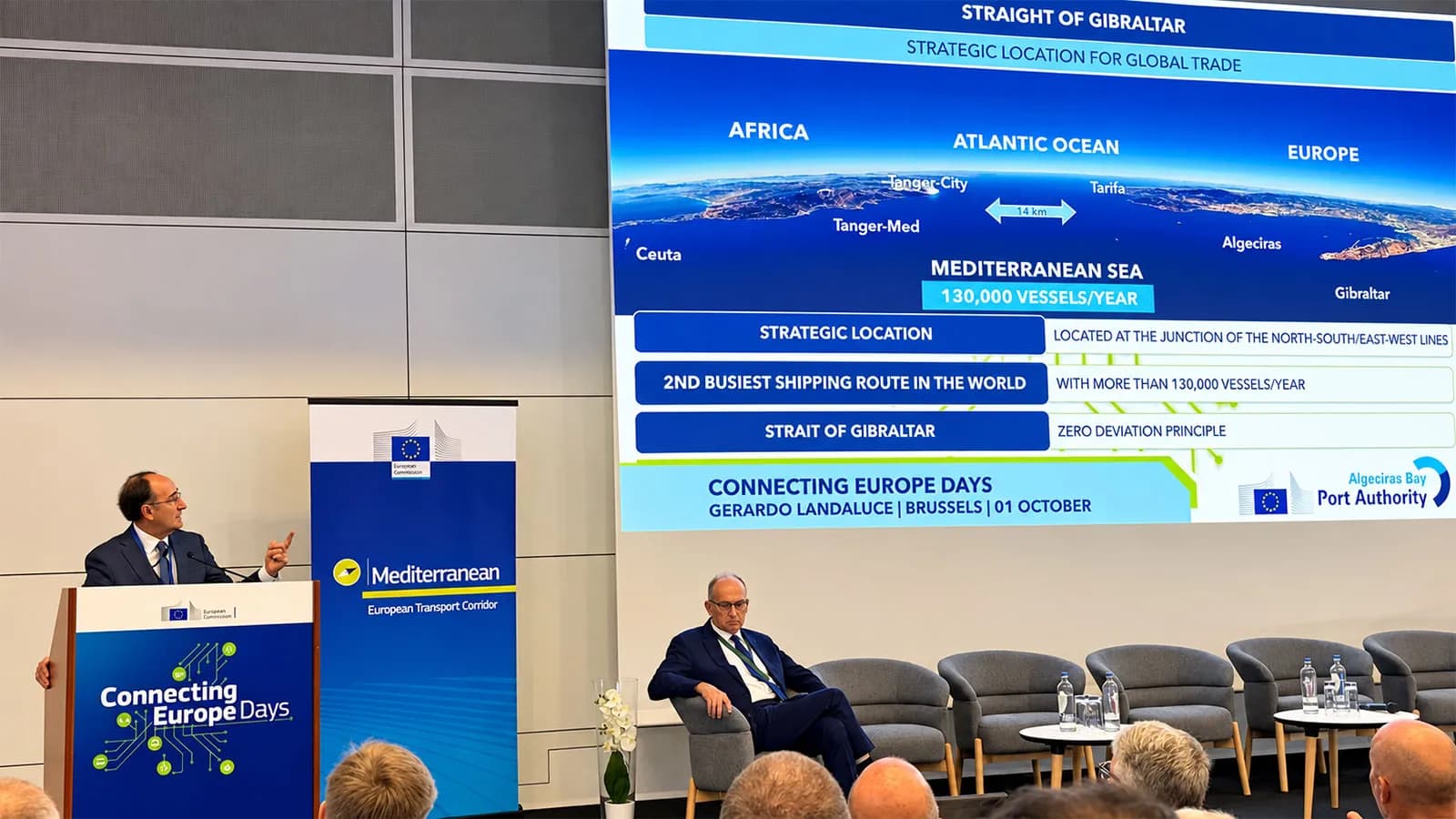
Among the areas where Ferry Division operates is the Strait of Gibraltar, integrated within a broader network that extends from northern Europe to the Mediterranean. Alongside this area, DFDS operates services in the North Sea, the English Channel, and the Baltic Sea, configuring a maritime connection structure that serves both transport and logistics companies as well as passengers.
The process for selecting the next head of Ferry Division remains open while Hansen assumes interim management. DFDS has not specified when it expects to complete the definitive transition, so the management of the division will remain directly linked to the CEO until the new executive is appointed.