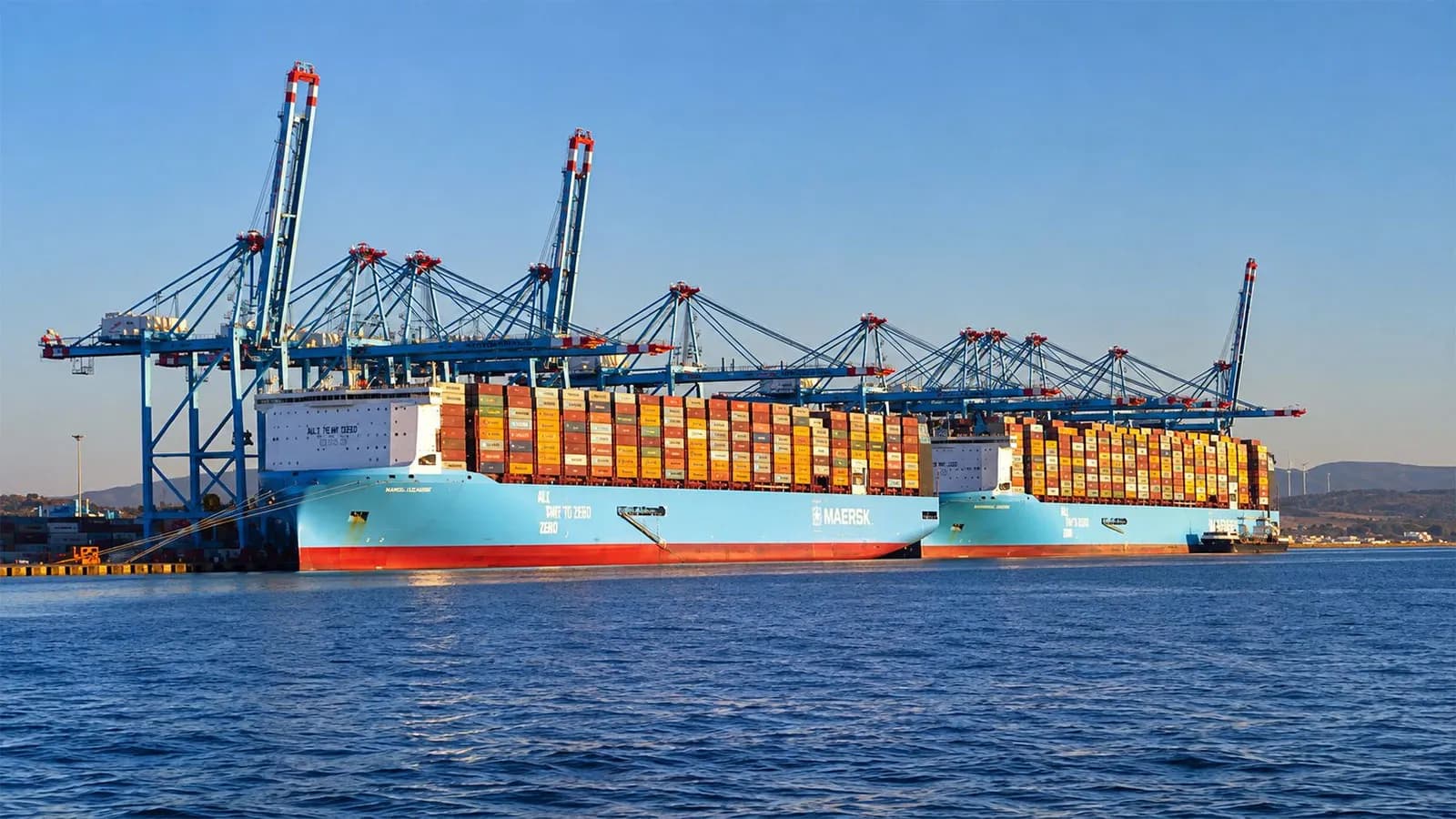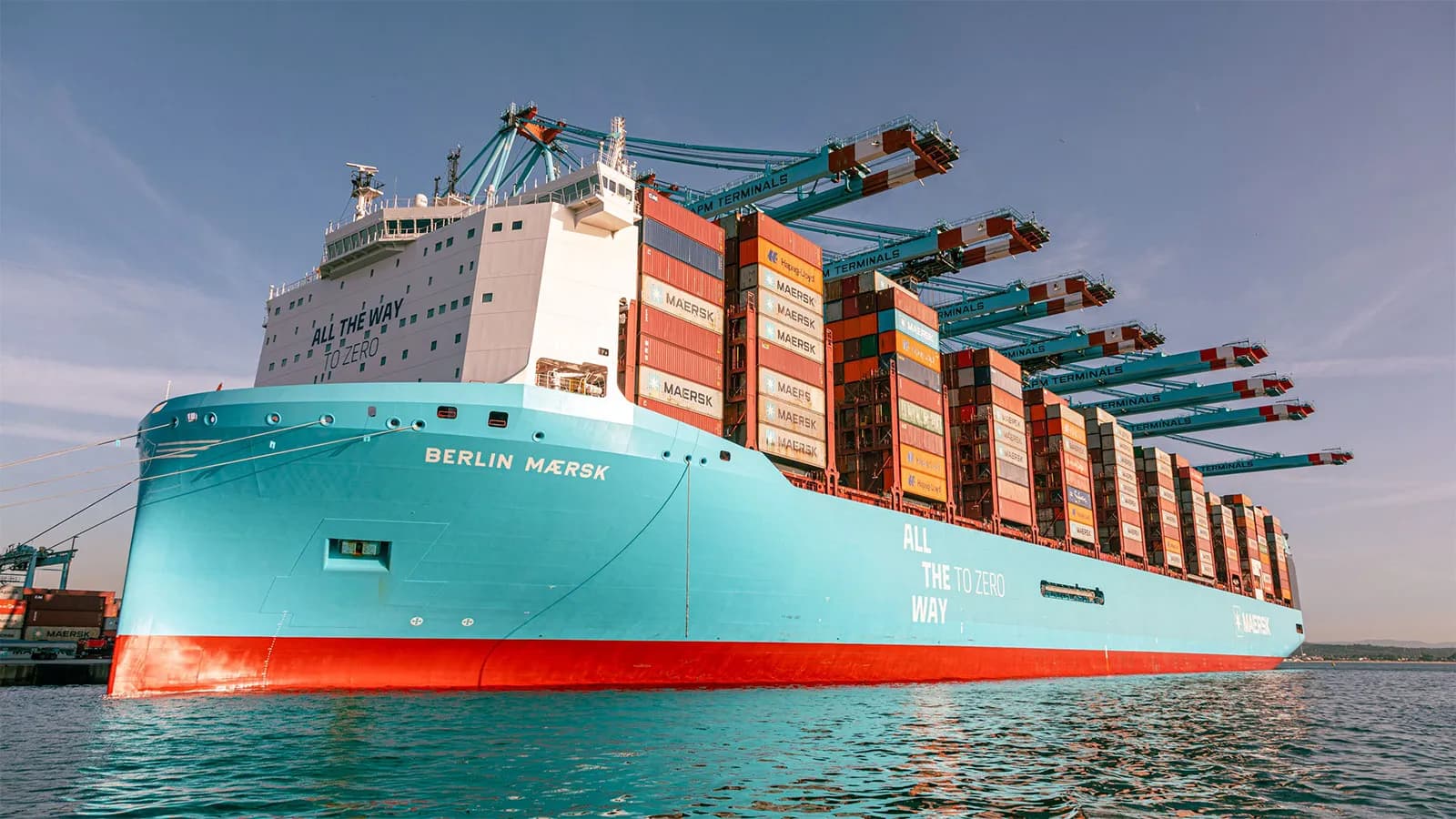
The Port of Algeciras has closed the first half of 2026 with 50,039,816 tons of total traffic, a 1.62% decrease compared to January and June of last year. Container activity has followed a different trend, reaching 2,380,131 TEUs, an increase of 3.46%, supported by greater movement of full import and export units related to refrigerated cargo.
The Port Authority of the Bay of Algeciras relates this behavior to the entry of fruit and vegetable products intended for the European market during the summer months, when production decreases on the Peninsula. Mango and avocado concentrate a significant portion of this traffic, along with cassava, citrus fruits, and potatoes. Brazil, Egypt, Argentina, and Chile are among the origins that have seen the greatest growth.
The president of the Port Authority, Gerardo Landaluce, has stated that the 50 million tons represent "a figure that confirms the strength of our port community and our ability to respond in such a complex international context."
The accumulated data shows that the number of containers has risen by 1.36%, reaching 1,371,191 units. International transit has reached 1,856,568 TEUs, an increase of 7.48%, while national transit has decreased by 23.34%, with 202,492 TEUs. The units disembarked for import have totaled 169,712 TEUs, an increase of 7.98%, and those embarked for export have reached 151,359 TEUs, practically at the same level as the previous year, with a variation of -0.25%.
In terms of weight, containerized cargo has totaled 26,005,054 tons, a decrease of 2.71%. Within this category, international transit traffic has grown by 0.88%, reaching 20,443,384 tons, and imports have increased by 4.84%, with 1,564,951 tons. National transit has decreased by 24.54% and exports have dropped by 8.9%.
The overall balance of the semester also reports a reduction of 2.11% in liquid bulk, which has totaled 13,664,076 tons. Solid bulk has reached 133,791 tons, a decrease of 21.17%, and general cargo has closed the period with 32,997,082 tons, 1.81% below the 2025 record. Supplies have accounted for 1,507,755 tons, with a decline of 1.24%, while local traffic has increased by 8.59%, reaching 1,736,709 tons.
The evolution in June has been positive in most categories. The total traffic for the month has reached 8,721,093 tons, an increase of 9.18% compared to June 2025. Liquid bulk has risen by 15.56%, reaching 2,369,567 tons, and solids have increased by 71.69%, with 25,384 tons. General cargo has reached 5,716,381 tons, an increase of 4.85%.
The supply of petroleum products to ships has totaled 285,227 tons in June, an increase of 19.96%. Activity at anchor has grown by 31.89%, reaching 224,095 tons, compared to a decrease of 9.92% recorded in docking. The overall supply has totaled 299,469 tons, an increase of 21.01% compared to the same month of the previous year.
Container traffic in June has reached 417,327 TEUs, an increase of 2.28%. Disembarked units for import have grown by 9.97%, reaching 32,935 TEUs, while exported units have increased by 4.05%, totaling 30,363 TEUs. International transit has totaled 315,422 TEUs, an increase of 2.41%, while national transit has decreased by 5.63%.
Industrial vehicles have recorded 45,365 units in June, an increase of 10.85%. In the cumulative total for the semester, this traffic has reached 287,080 units, with an increase of 0.94%. The Algeciras-Tanger Med route concentrates 271,252 industrial vehicles in the first six months of the year, an increase of 0.91%.
Passenger traffic has accounted for 2,193,141 people between January and June, a decrease of 2.64%, awaiting the weeks of greater intensity of the Operation Pass of the Strait of 2026. The Tarifa-Tanger city line has registered 559,497 passengers, an increase of 9.24%, and 70,924 vehicles under passenger regulations, an increase of 23.95%. In June, this connection moved 109,725 passengers, a decrease of 3.7%, and 13,299 vehicles, an increase of 1.96%.
The semester result combines the decline in total tonnage with the growth of TEUs, containerized imports, and certain fruit and vegetable traffic. The evolution in June improves the cumulative balance in several sections, while the OPE concentrates a significant part of the activity expected for the next two weeks.