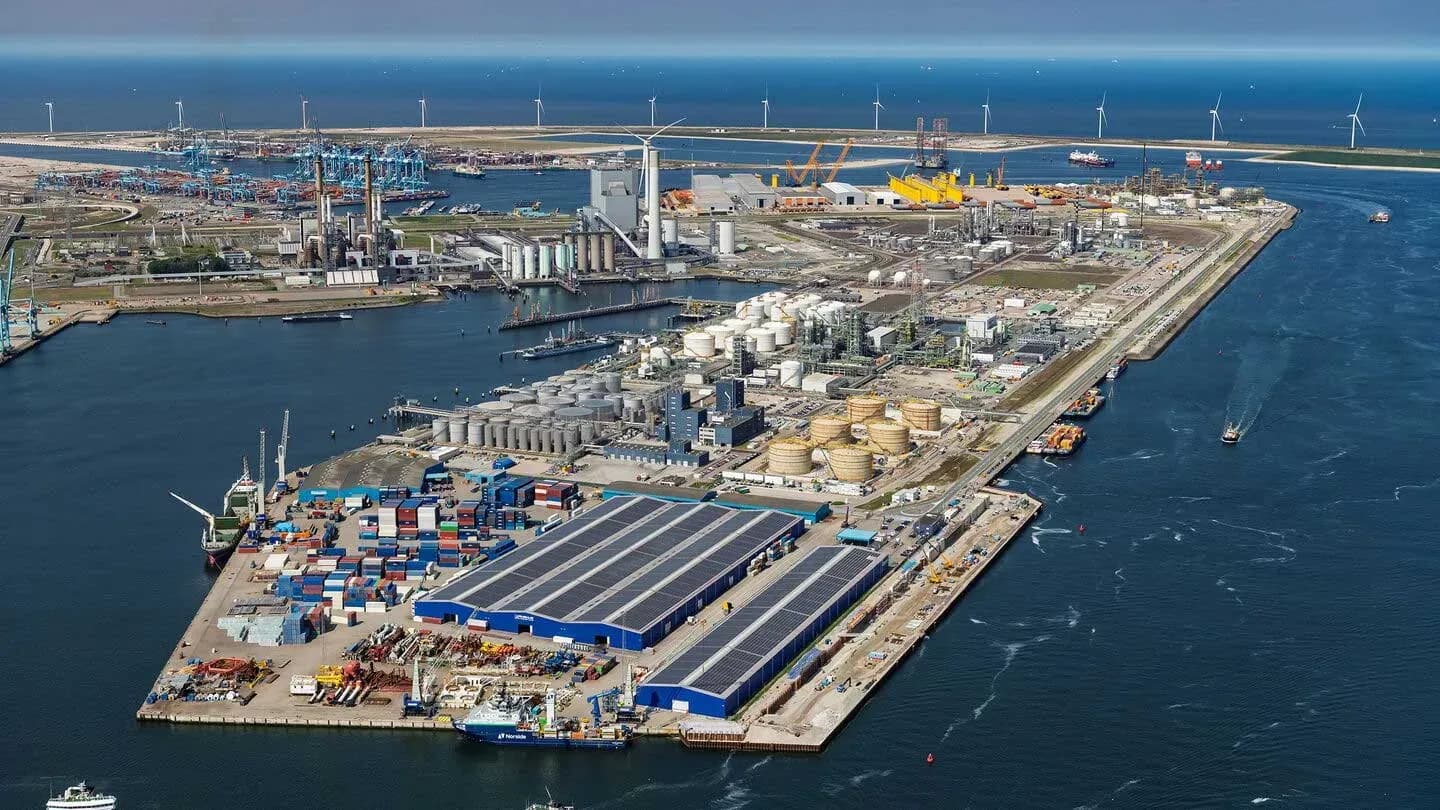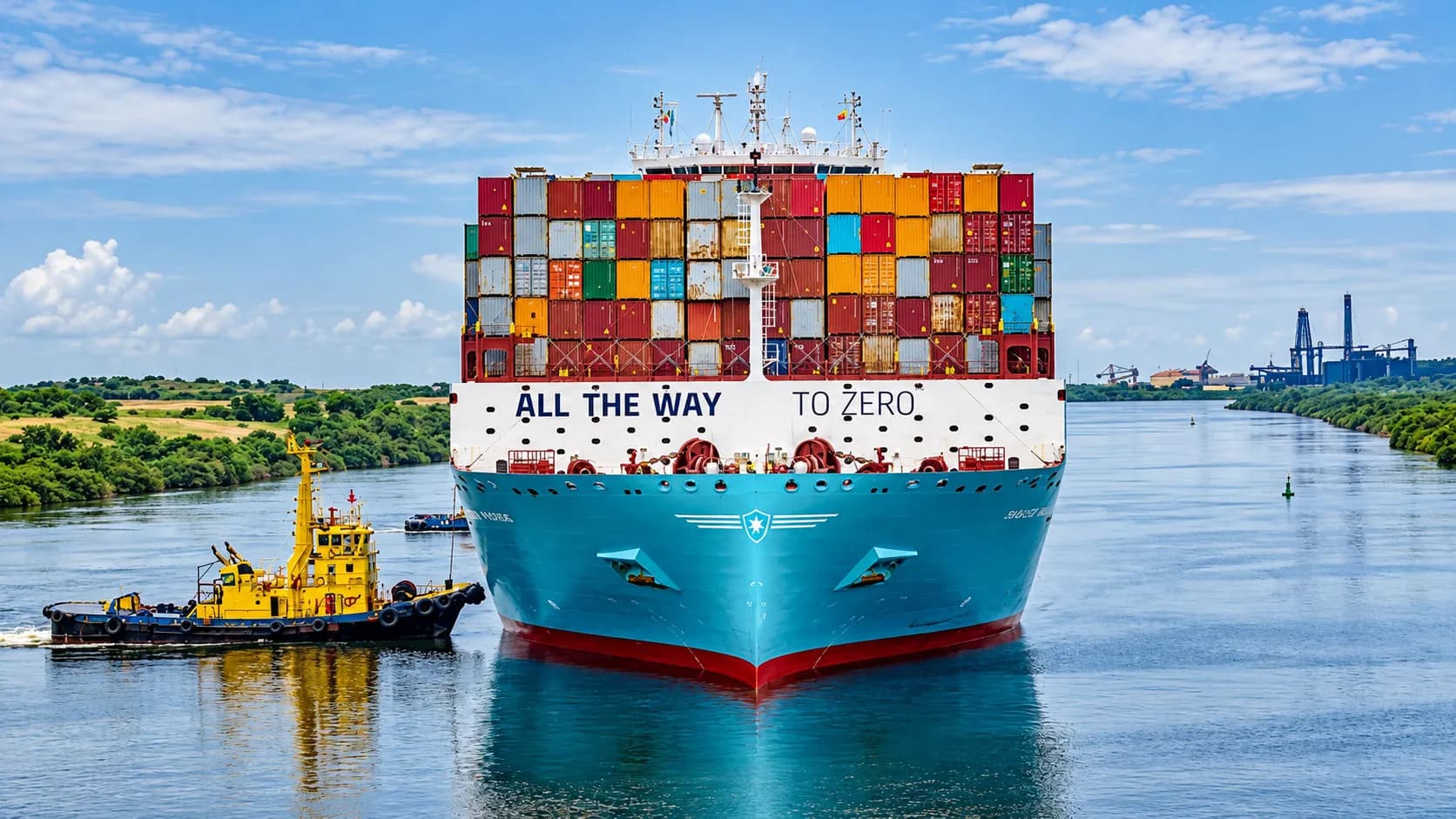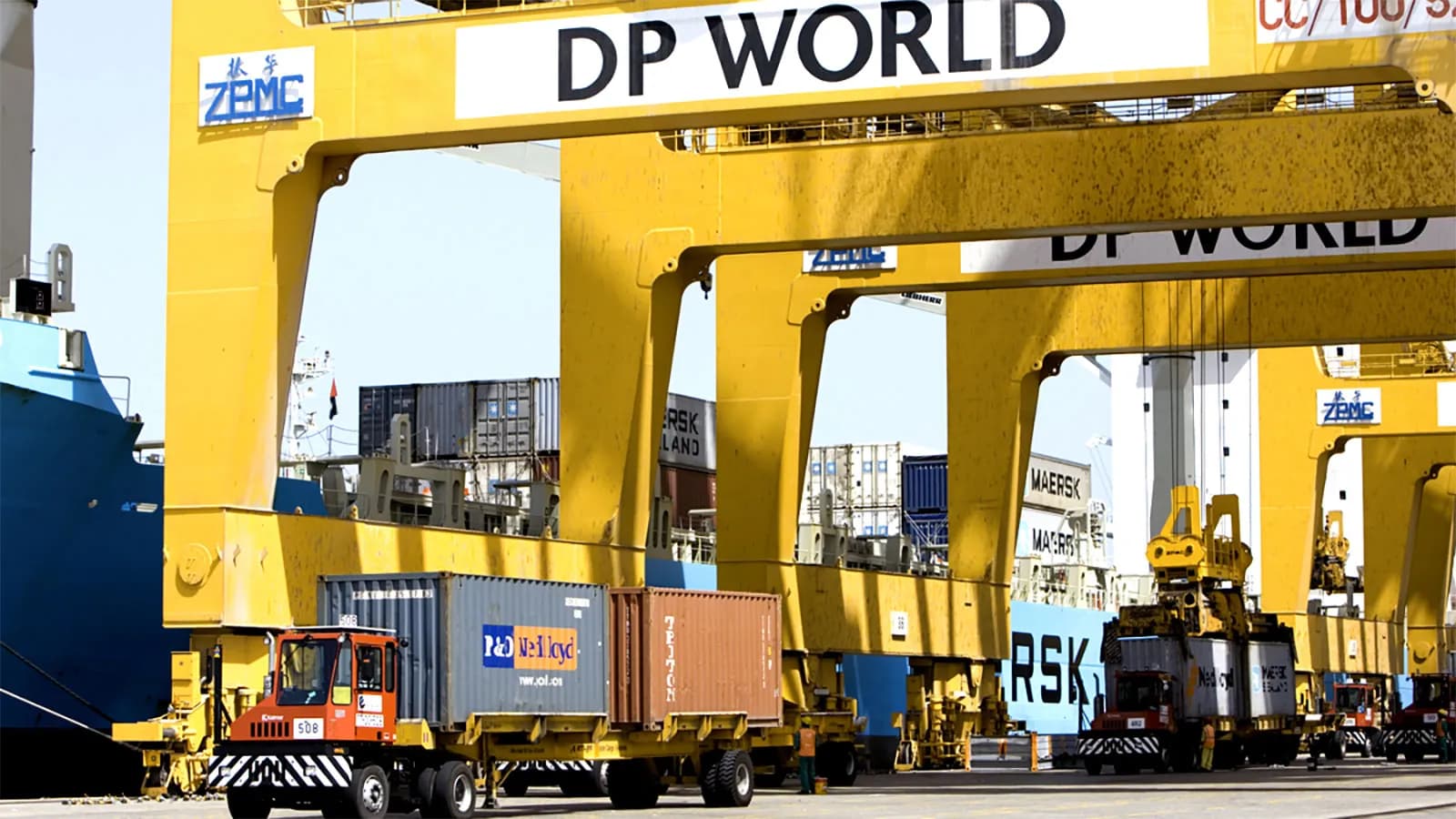
The port operator DP World, according to the economic newspaper Financial Times, is in negotiations to build a new multipurpose port and a container terminal on the east coast of the United Arab Emirates. This initiative by the multinational aims to reduce dependence on its main operations hub in Jebel Ali, located inland in the Persian Gulf, and offer a logistical alternative that avoids the passage of goods through the strategic Strait of Hormuz, a channel subjected to recurring geopolitical and security tensions in recent months.
The company, based in Dubai, has engaged in formal conversations with the country's authorities to develop a new port on the Fujairah coast, oriented towards the Gulf of Oman, and add a terminal at the port that already operates in that same coastal region. With this new configuration, goods and containers would have the possibility to enter and leave Emirati territory directly from the Indian Ocean, without transiting through the Strait of Hormuz, and then be distributed by road in trucks to Dubai, Abu Dhabi, and other states of the Arabian Peninsula.
The operation of the Jebel Ali port, considered one of the largest container facilities in the world and key for re-export trade between China and Africa, has recently experienced significant variations. Following the closure of the Strait of Hormuz due to the armed conflict in the Middle East, the movement of goods at this terminal in Dubai has recorded declines estimated between 90% and 95%. The instability in the area, characterized by the launch of projectiles and unmanned aircraft, has caused the port operator to divert vessels and shipments to the east coast ports, such as Fujairah and Khor Fakkan, which currently report congestion issues.

The corporation and various government sources have clarified that the expansion strategy towards the east coast does not contemplate the replacement or reduction in size of the Jebel Ali facilities, which house a large industrial free zone, high-capacity warehouses, and heavy industries solidified over decades. The company's management has characterized this plan as defensive, designed to safeguard the group's activity in case navigation problems persist in the accesses to the Persian Gulf.