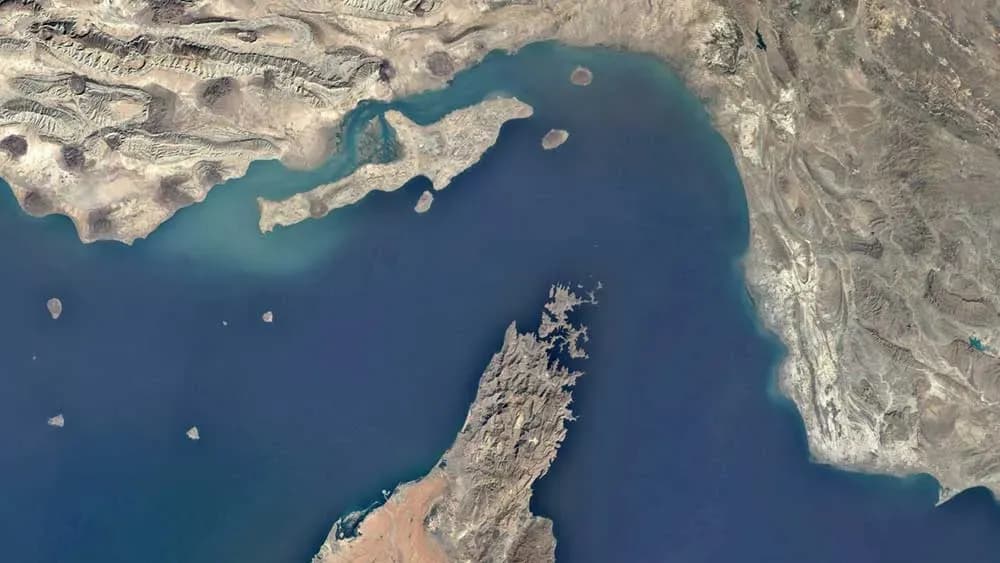
The Strait of Hormuz, a strategic passage through which nearly 20% of the world's oil passed before the conflict in the Middle East, is expected to reopen this Friday after 110 days of closure that have strained the global energy market. Throughout this period, the Brent barrel, a reference in Europe and a key variable for inflation, has increased by nearly 10% compared to the levels prior to the war.
In recent days, prices have moderated their trajectory. The quotation has expanded its declines following the signing of the peace agreement, and this Thursday Brent closed at $79.55 per barrel, while West Texas Intermediate (WTI) stood at $76.02, according to data collected by the World Trade Organization and the United Nations. The previous Friday, Brent had already fallen below $90 when the possibility of the pact became known.
The conflict triggered pronounced movements since its start. On the first day of trading after the blockade of Hormuz, Brent recorded a rebound of over 7%, moving from $72.48 to $77.74. In the first week, it appreciated nearly 28%, surpassing $90, and in the first month, the increase approached 55%, reaching $112.57. Brent hit its peak on March 31, above $118, during a session in which it exceeded $126 per barrel. For its part, WTI peaked on April 7, nearing $113, in a session where it surpassed $117.
Despite these spikes, Nicolás López, head of equity analysis at Singular Bank, believes that the price "never entered a panic dynamic," as the market maintained expectations of an agreement between the United States and Iran. After the initial peaks, the quotation stopped chaining abrupt increases and stabilized in a range between $90 and $110 thanks to a set of compensatory measures: the release of strategic reserves by several countries, the search for alternative routes like the Red Sea, the increase in production in the United States, Kazakhstan, and Brazil, and the reduction in demand from China. López warns, however, that "Hormuz will remain relevant," especially because some of these measures, such as the cutback in Chinese purchases, are not sustainable in the long term.