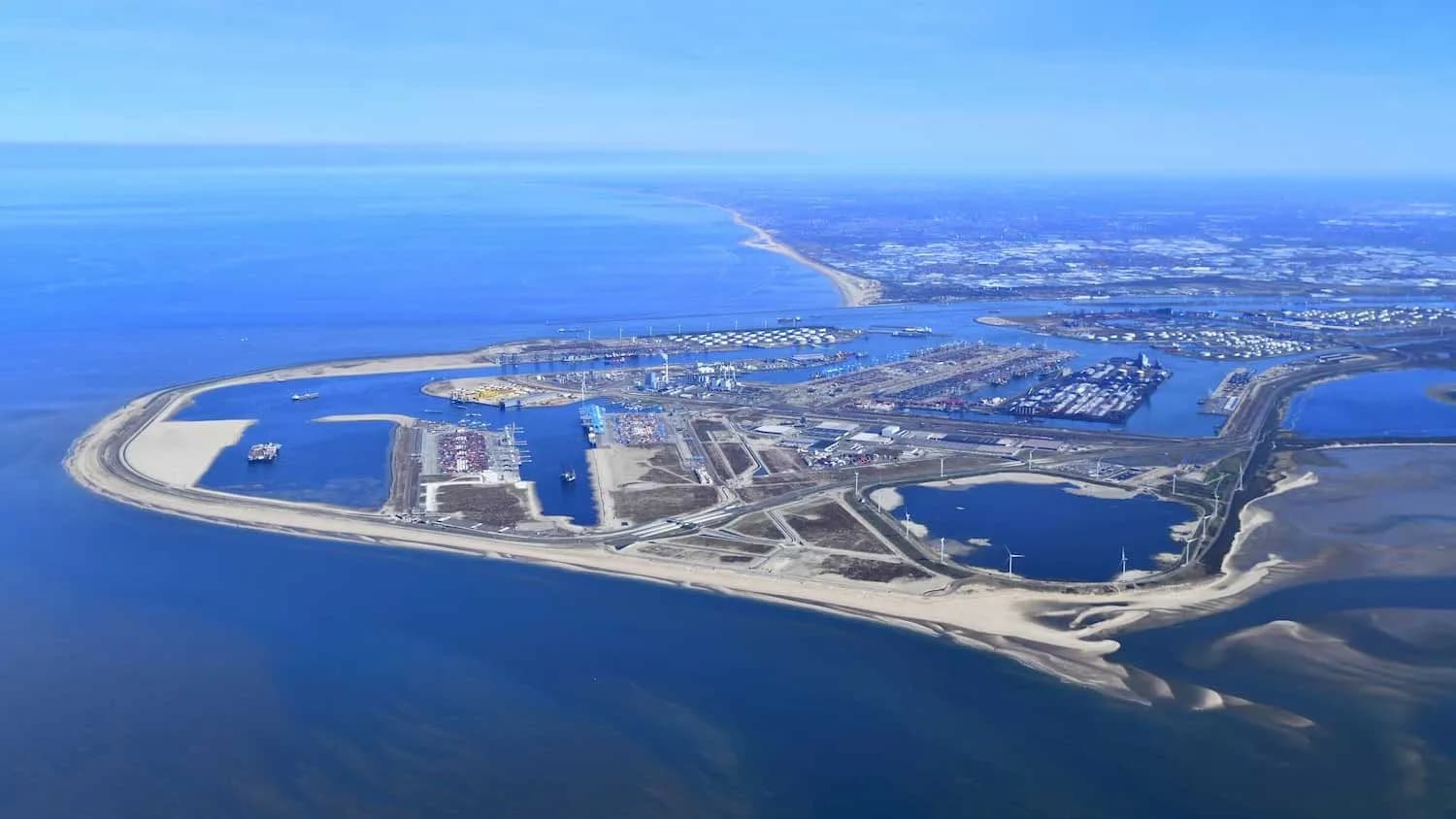
The Port Authority of Rotterdam has conducted a market consultation aimed at identifying the main bottlenecks that hinder the realization of the necessary investments for the import of hydrogen carriers through the largest port in Europe. Although several companies are developing plans for the construction of import terminals, final investment decisions have not been made to date, leading the port authority to seek an accurate diagnosis of the factors delaying these projects.
The consultation results reveal that a combination of financial and non-financial risks is causing companies to maintain a cautious attitude towards investments in import terminals and hydrogen carrier conversion plants such as ammonia. Among the main identified obstacles is the uncertainty about the actual demand for renewable energy vectors, a factor closely linked to the doubts generated by the effective implementation of public policies designed to stimulate that demand. Added to this issue are the congestion of the electrical grid and delays in the development of pipeline transport infrastructure, two problems that directly condition the operational viability of future terminals.
The consultation has confirmed that at least nine companies are planning terminals capable of operating with ammonia, methanol, liquid hydrogen, or LOHC (liquid organic hydrogen carriers), with or without on-site conversion facilities through ammonia cracking or LOHC dehydrogenation. The cost of these infrastructures can quickly reach several hundred million euros, explaining the need for companies to have a minimum level of certainty about the recovery of their investments before making firm commitments.
Beyond the uncertainty about demand, the consulted companies have pointed out other factors complicating decision-making. Among them are doubts surrounding the processes for obtaining permits, especially regarding regulations on nitrogen deposition and the unpredictability of administrative timelines. The congestion of the electrical grid constitutes another significant barrier, as hydrogen carrier conversion plants require a considerable energy supply that the current electrical infrastructure of the port environment cannot always guarantee.