The Council of the European Union has authorized the signing and provisional application of the Interim Trade Agreement (ITA) with the Mercosur countries, allowing the European Commission to initiate the implementation of the free trade treaty without waiting for the ruling of the Court of Justice of the EU (CJEU). The decision comes after Uruguay and Argentina completed their respective ratification processes in recent hours, becoming the first countries in the South American bloc to greenlight the agreement.
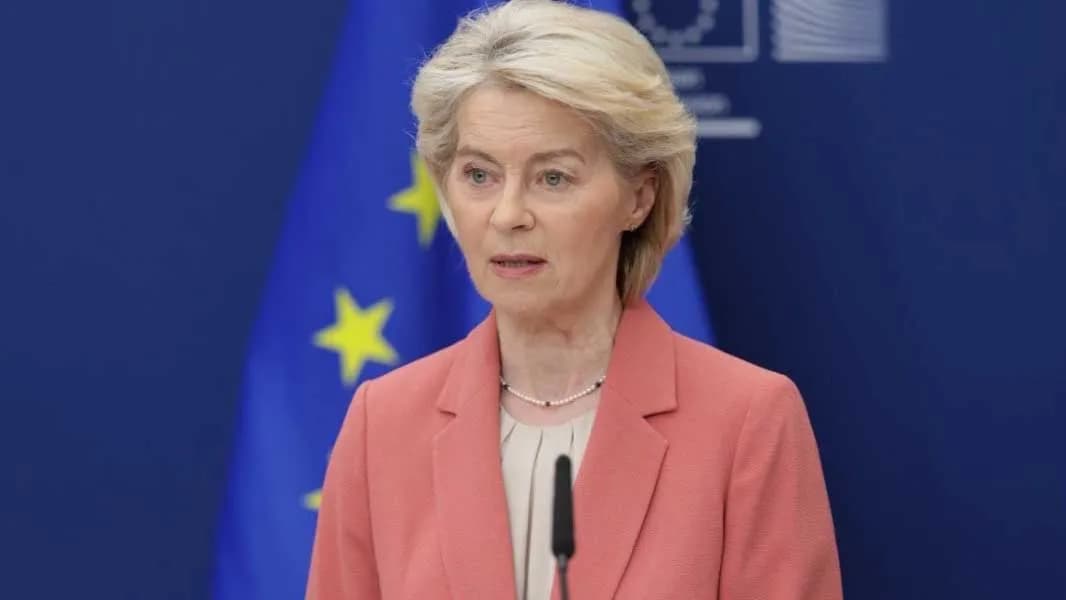
The President of the European Commission, Ursula von der Leyen, announced this Friday that she would proceed with the provisional application of the pact. "When they are ready, we will be ready," she stated at a press conference without questions at the institution's headquarters in Brussels, where she indicated that during the past weeks she had held intense discussions with the Member States and with the MEPs on this issue. According to the Council's decision, the ITA will be applied provisionally from the first day of the second month following the date on which the signatory States of Mercosur notify the Union of the completion of their internal procedures and confirm their willingness to apply it provisionally. A community spokesman specified that the processing will take approximately two months.
The activation of the agreement means, after nearly 26 years of negotiations, the creation of one of the largest free trade zones in the world, with a market of 720 million consumers. The treaty provides for the gradual elimination of tariffs for 91% of EU exports to Mercosur and 92% of Mercosur sales to the EU. Von der Leyen ensured that the pact "opens countless opportunities, reduces billions in tariffs, and allows our small and medium-sized enterprises to access markets and scales that they could only dream of before."
The agreement, however, faces strong opposition from producers in the European primary sector, especially from Andalusia, as they believe it will facilitate uncontrolled entry of products like beef and poultry, rice, citrus fruits, dairy, or honey. These foods will have a maximum tariff-free entry quota, but agricultural organizations estimate that without a single European supervisory authority, adequate oversight cannot be guaranteed. For other products, like table olives, a gradual elimination of the tariff is contemplated for a producer like Argentina while it remains for Spain.