Moeve has started the construction of Onuba, the first phase of the Andalusian Green Hydrogen Valley, in its Energy Park of La Rábida, in Palos de la Frontera (Huelva). The installation will initially have 300 MW of electrolysis capacity, with the possibility of incorporating an additional 105 MW, and represents a combined investment of over 1 billion euros, including associated infrastructures and a photovoltaic plant for self-consumption.
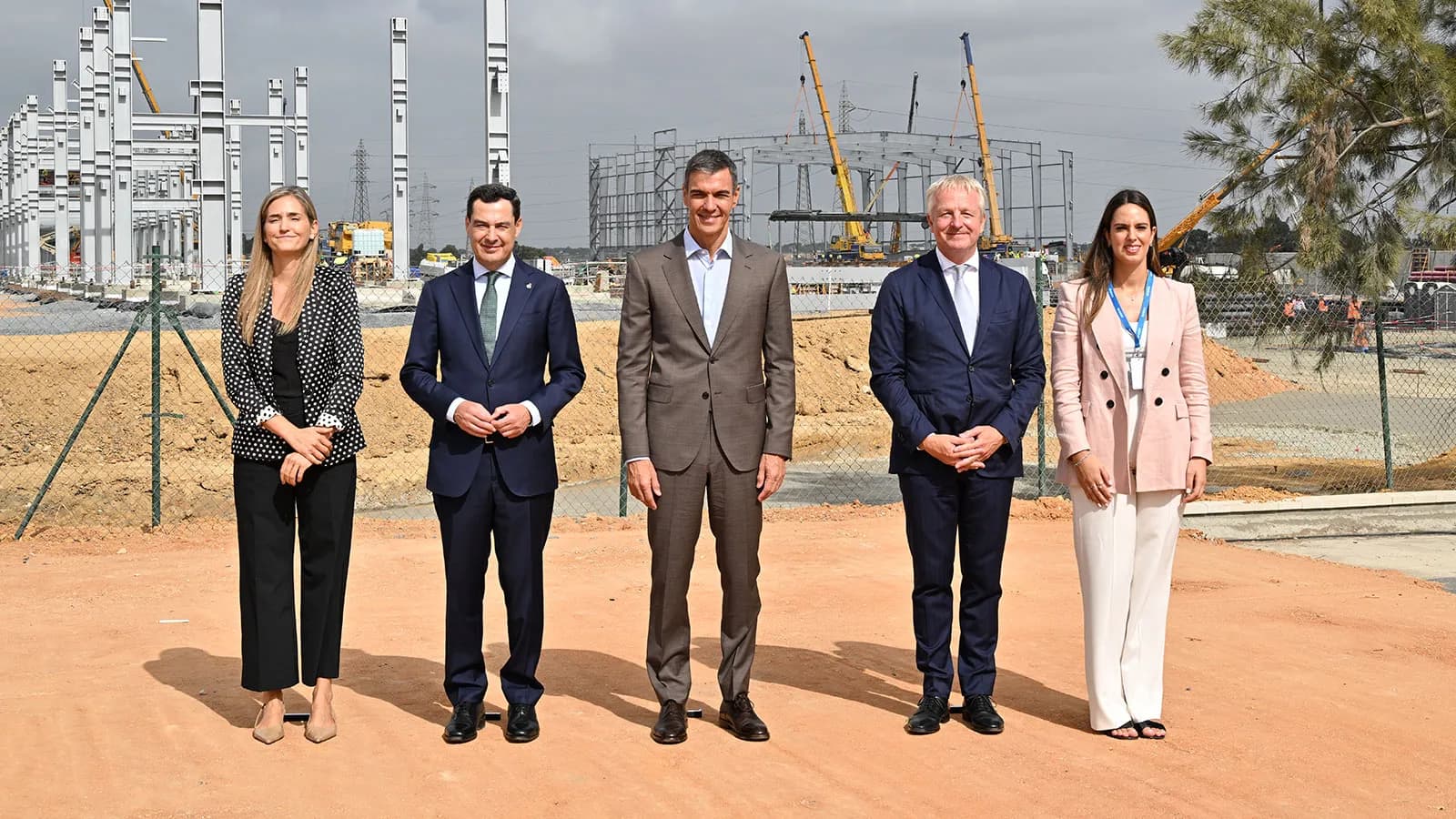
The event held this Thursday was attended by the participation of the President of the Government, Pedro Sánchez; the President of the Regional Government of Andalusia, Juanma Moreno; the third Vice President and Minister for Ecological Transition and the Demographic Challenge, Sara Aagesen; representatives of the European Commission and officials from local administrations and companies linked to the project. The official agenda of the Government indicated that on September 17th there would be a presentation of the Andalusian Green Hydrogen Valley in Palos de la Frontera, while the Regional Government of Andalusia had convened the start of the works at the Energy Park La Rábida.
Onuba could produce approximately 45,000 tons of renewable hydrogen per year. According to estimates provided by the participating companies, its operation will prevent about 250,000 tons of CO₂ emissions annually. The hydrogen produced can be allocated to both industrial installations and fuel production for sectors such as road transport, aviation, and maritime transport.
During the phases of development, construction, and startup, Moeve estimates that the project will have an impact of over 8,000 direct, indirect, and induced jobs across the entire value chain. The company also foresees associated activity for more than 400 SMEs and local self-employed workers. The figure of more than 8,000 jobs linked to Onuba is also mentioned in the project documentation published by its promoters.
Moeve holds a 51% stake in Onuba. The shareholding structure has been modified with the incorporation of Hy24, a manager specialized in investments related to hydrogen, and COFIDES, who have agreed to jointly acquire a 29% stake in the project. The remaining 20% is jointly held by Enagás Renovable and Alter Enersun. The entry of Hy24 and COFIDES was announced on September 16th, a day before the official start of the works.
The plant will feature alkaline electrolysis technology supplied by thyssenkrupp nucera, which has a contract for engineering, procurement, manufacturing, and supply of equipment for the initial 300 MW. The German company and Moeve announced this agreement in March, after the board of directors of the energy company made the final investment decision for the first phase of the project.
The installation will also incorporate a digital twin and a unified data and Internet of Things platform from its design to manage information related to its operation and maintenance. Moeve envisions Onuba as the first plant of the company conceived from its inception with this digital architecture.
The project has public funding of 303.75 million euros, a figure that Moeve rounds to 304 million in its communications, granted under the Recovery, Transformation, and Resilience Plan and financed by the European Union through NextGenerationEU. The funds are part of the support program for Renewable Hydrogen Valleys and are associated with the development of up to 405 MW of the project in Huelva.
The President of the Government, Pedro Sánchez, noted during the event that the Executive has allocated more than 3 billion euros to over 120 projects related to renewable hydrogen and estimated the public support received by Moeve's project at more than 300 million. Sánchez linked these investments to measures aimed at generating demand for renewable fuels and facilitating industrial projects related to the energy transition.
For his part, the President of the Regional Government of Andalusia, Juanma Moreno, placed the project within the Andalusian strategy linked to renewable energies and the development of a hydrogen production and export industry. The Executive Vice President of the European Commission for a Clean, Fair, and Competitive Transition, Teresa Ribera, referred to the European recognition of the project and its role in the transformation of the energy system.
The mayor of Palos de la Frontera, Milagros Romero, linked the start of the works with the industrial and energy trajectory of the municipality and with the incorporation of new activities associated with renewable hydrogen. The CEO of Moeve, Maarten Wetselaar, stated that the beginning of construction means transitioning from pilot initiatives to large-scale hydrogen installations.
Onuba is part of a broader industrial program by Moeve in Andalusia. The company estimates the accumulated investment in projects related to the energy transition in the community at 2.4 billion euros, including this hydrogen installation and the second-generation biofuel plant also being developed in Palos de la Frontera.
This latest installation is designed to produce sustainable aviation fuel, known as SAF, and renewable diesel HVO. Both projects form the core of Moeve's strategy to concentrate the production of different types of renewable molecules at its industrial complex in Huelva.
The Huelva project constitutes, in turn, the first part of the Andalusian Green Hydrogen Valley. The overall approach envisions a combined capacity of 2 GW of electrolysis distributed among Moeve's energy parks in Palos de la Frontera and San Roque, in the Campo de Gibraltar. According to the company’s planning, the total could produce up to 300,000 tons of renewable hydrogen per year.
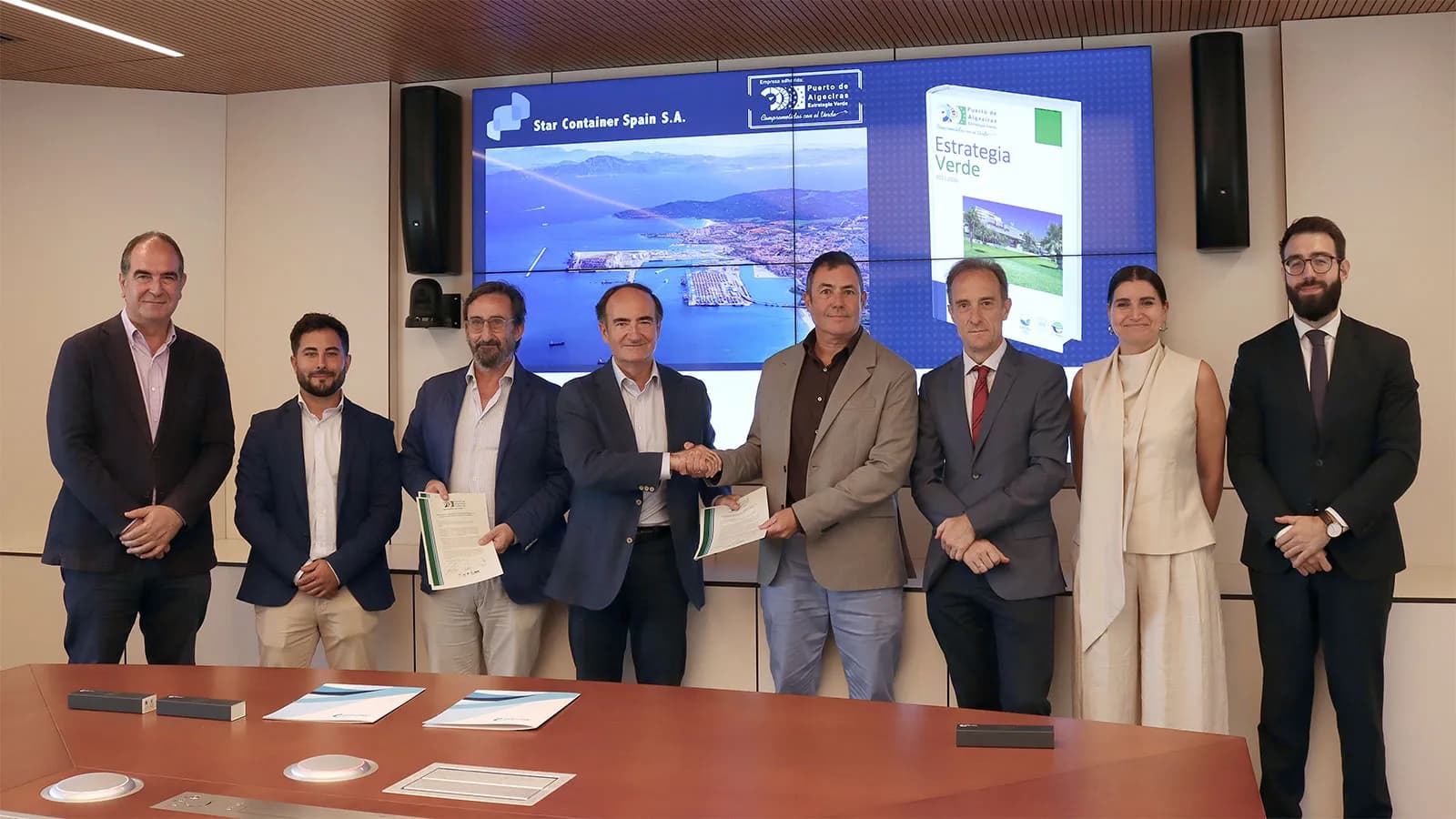
The location of the two plants places the project in the two main industrial and port hubs of western Andalusia: Huelva and the Bay of Algeciras. The planned development in San Roque constitutes the second part of the Andalusian Valley and completes the announced global capacity of 2 GW.
The European Union has included Onuba among its Projects of Common Interest related to energy infrastructure. The expansion of the initial 300 MW with an additional 105 MW will be conditional, according to the promoters' documentation, on the availability of additional grid capacity and the corresponding corporate approval.