The Maritime Captaincy of Algeciras, dependent on the General Directorate of Merchant Marine of the Ministry of Transport and Sustainable Mobility, has conducted the evaluation of the Operation Crossing of the Strait (OPE) 2026, which has developed without noteworthy incidents in the 20 vessels that have operated from the ports of Algeciras and Tarifa.
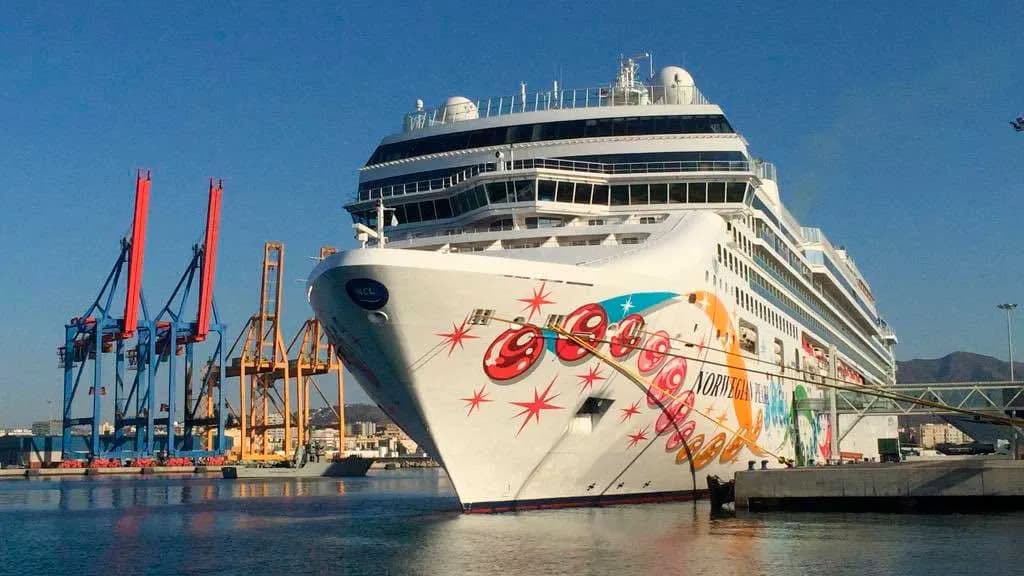
The fleet planned in the Fleet Plan for this edition has consisted of 18 ROPAX vessels, intended for the transport of rolling cargo and passengers, and two other RORO vessels for rolling transport.
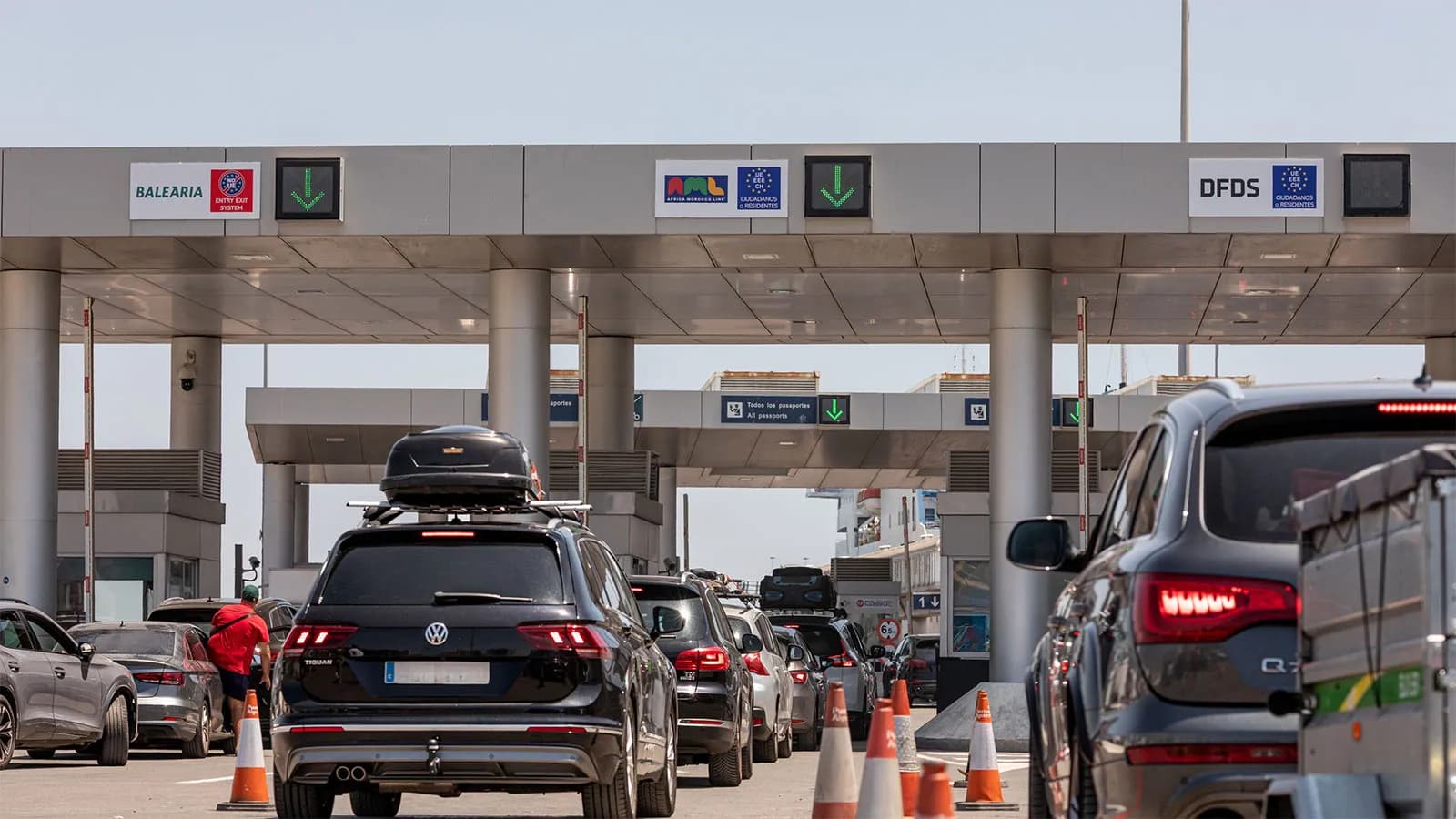
During the exit operation, 675,098 passengers and 198,235 vehicles have crossed from Algeciras to Morocco. The latter have represented 59.2% of the national total of vehicles for the OPE.
In the connection with Ceuta, 228,560 passengers and 53,238 vehicles have been counted, a number of vehicles equivalent to 12.5% of the national total. From the port of Tarifa, 304,932 passengers and 52,721 vehicles have crossed to Morocco during the exit operation, with a vehicle percentage of 12.4% of the national total.
The vessels that operate the Tarifa-Tangier Ville and Algeciras-Tangier Med routes, corresponding to international traffic, are subject to the inspection regime established in the ROPAX Directive, transposed into Spanish law by Real Decree 733/2019 of December 20, regarding a system of inspections to ensure safety in the operation of rolling passenger ferries and high-speed passenger vessels in regular service.
For its part, the vessels operating on the Algeciras-Ceuta line are subject to the system of the directive that regulates the inspection procedures of merchant vessels entering community ports, technically referred to as control by the port state authority, under the Paris Memorandum.
In Spain, the Regulation governing inspections of foreign vessels in Spanish ports applies, approved by Real Decree 1737/2010 of December 23.
The maritime captain of Algeciras, Paula Saiz, has pointed out that the most critical moment of this edition occurred, as is usually the case, during the weekend between the end of July and the beginning of August. During that period, it was necessary to activate the interchangeability of tickets and boarding passes on the maritime line Algeciras-Tangier Med, by resolution of the Maritime Captaincy.
The measure remained active from the morning of August 1 until the morning of August 3 and, as Saiz explained, it was adopted to maintain the fluidity of the operation and ensure the safety and operability of the OPE device.
To issue these resolutions, the Maritime Captaincy previously received the request of the provincial director of the Civil Protection Plan, the deputy delegate of the Government in Cádiz. The maritime captain indicated that the interchangeability developed "very positively and met the objective."
The inspection activity concerning the fleet of 20 vessels that participated in the OPE was carried out by the inspection team of the Maritime Captaincy of Algeciras before the summer.
As Paula Saiz explained, inspections of rolling passenger ferries and high-speed passenger vessels in regular service are carried out both in port and during navigation to check their operational systems.
These are periodic inspections, and the time interval between them is regulated by the corresponding directive. In the case of the first-time entry of vessels in a line, a thorough initial preliminary inspection is also carried out within this same regulatory framework.
Saiz pointed out that the work of inspectors from the Maritime Captaincy is "key to contributing to the success of the operation," due to the high rate of rotations that the vessels and passenger ferries are subjected to during the OPE.
The Maritime Captaincy has also carried out unscheduled inspections when necessary, in addition to monitoring repairs, technical documentation, and other issues related to maritime safety and pollution prevention.