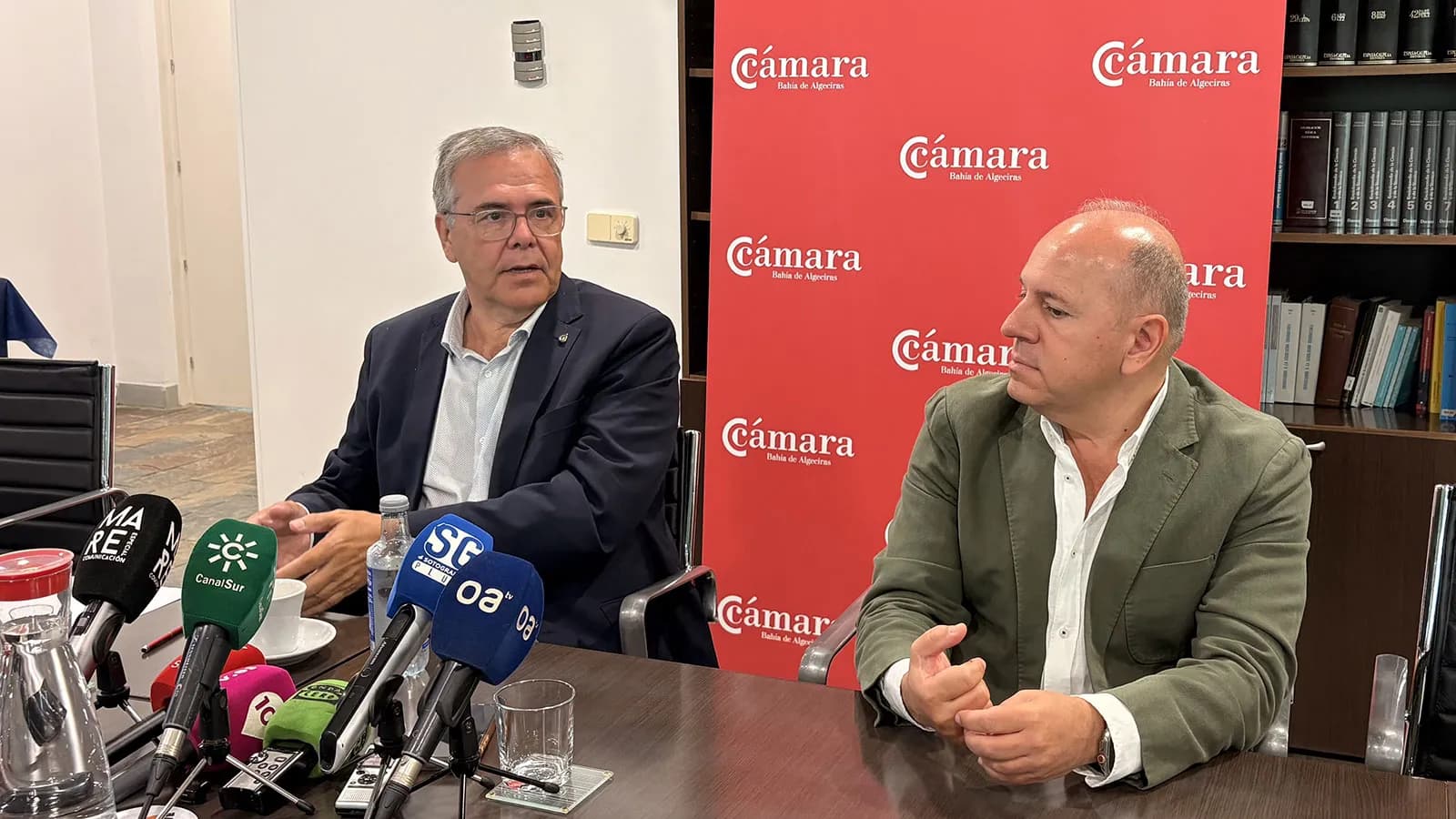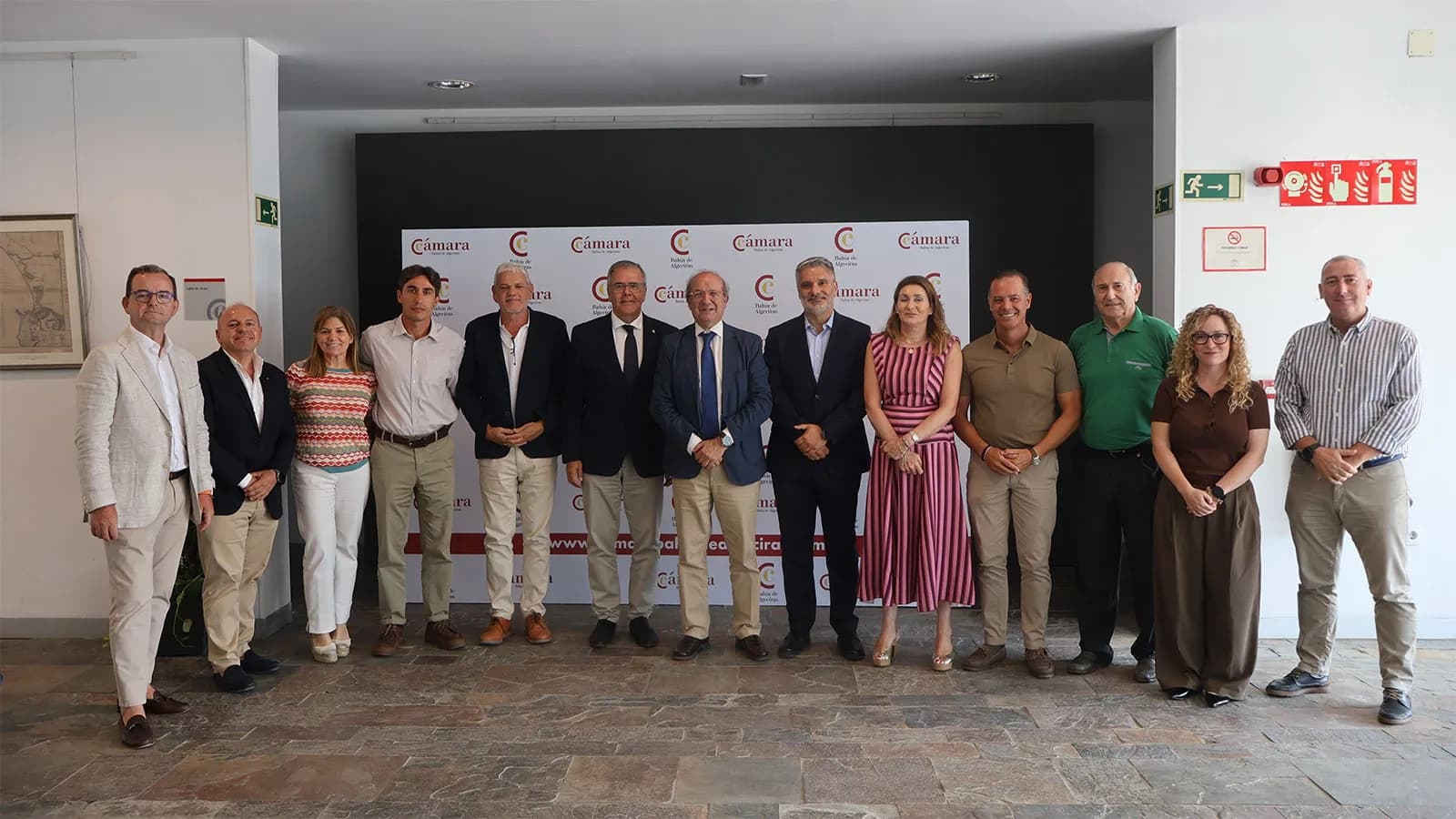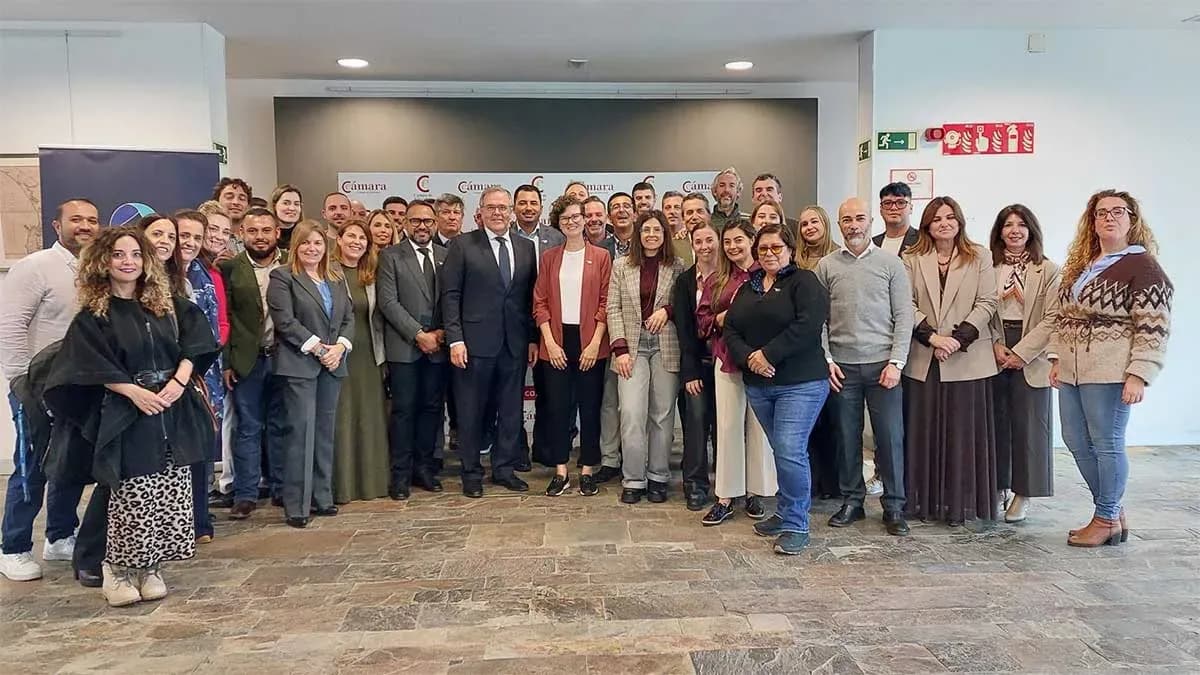
A delegation of Costa Rican exporters visited Algeciras on January 29 and 30 as part of a reverse mission organized by the Chamber of Commerce of the Campo de Gibraltar. This initiative, financed by the Diputación de Cádiz, brought together nearly fifty professionals from the logistics and agro-export sector with the aim of facilitating business contacts and exploring business opportunities between both regions.
The mission is part of a commercial relationship that has been developing over time through maintained contacts between the involved institutions. According to the Chamber of Commerce of the Campo de Gibraltar, this action represents the consolidation of ties that share a common vision of logistical development between the Cadiz port and Central American exporters.
The activities program was structured around several axes. On one hand, the Chamber of Commerce hosted a day aimed at promoting business contacts between the delegation of exporters, mainly dedicated to the yam trade, and companies in the region. Representatives from various local logistics companies attended this session, along with members of the Algeciras Port Community COMPORT and ATEIA OLTRA Bahia de Algeciras.
At the same time, technical meetings were held with the Inspection Services of the Border Control Post (PIF) of the port. The main objective of these meetings was to address the new Regulation (EU) 2025/651 regarding additives, in order to ensure that the operations of the traffic coming from Central America comply with the applicable European regulatory standards.
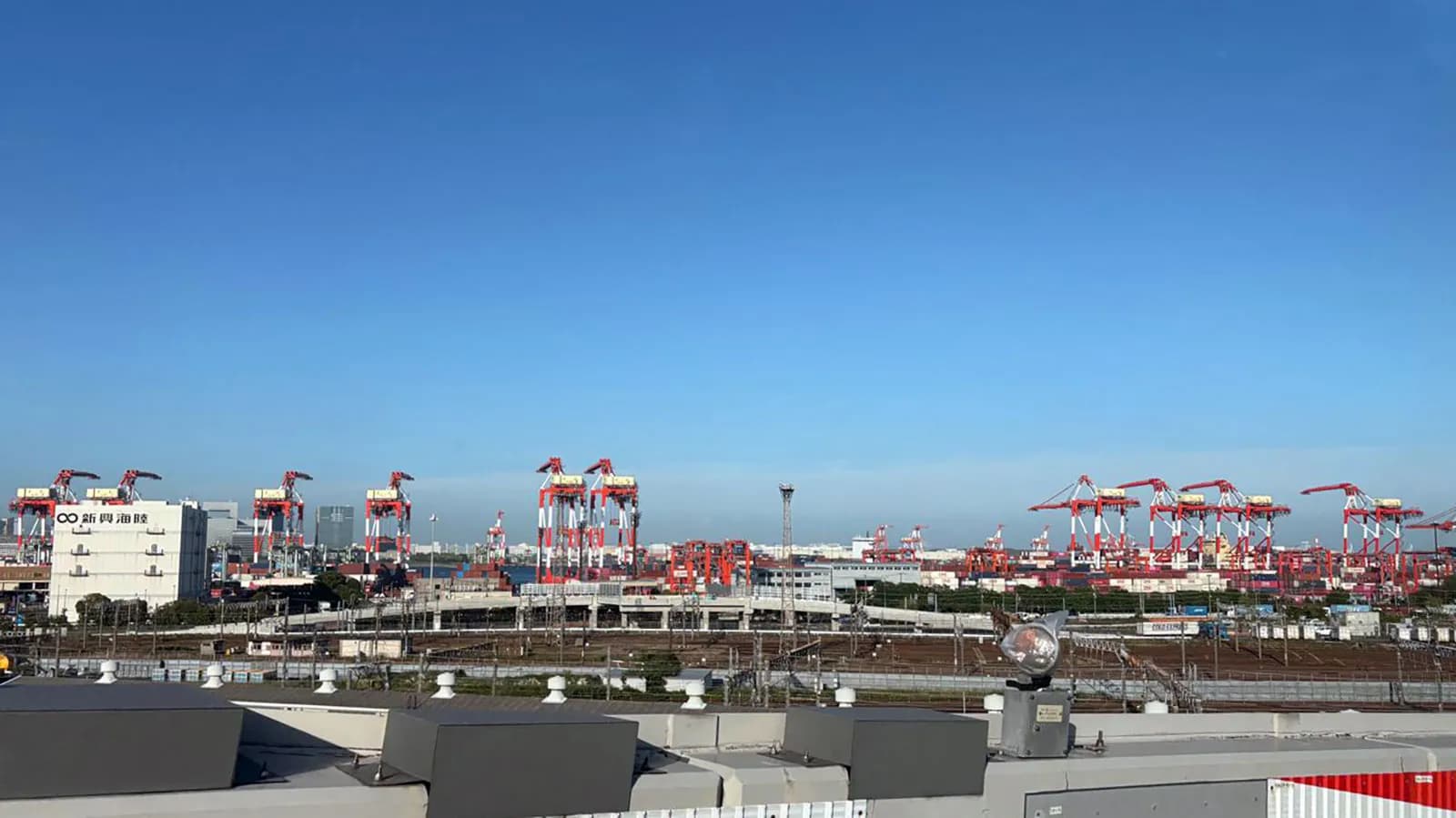
The Costa Rican delegation also had the opportunity to see the facilities of the Port of Algeciras through visits to container terminals, refrigerated storage centers, and the Process Coordination Center (CCP) of the Port Authority Bahia de Algeciras. These visits allowed Central American exporters to familiarize themselves with the operational capacity and available infrastructure in the port area.
The organization of this reverse mission has involved the collaboration of multiple entities. Alongside the Chamber of Commerce of the Campo de Gibraltar and the Provincial Diputación of Cádiz, the Port Authority Bahia de Algeciras and local sectoral associations participated. From the Costa Rican side, the Promoter of Foreign Trade of Costa Rica (PROCOMER) and various chambers of commerce from the Central American country contributed to the coordination of the visiting delegation.
The Port of Algeciras maintains maritime connections with various destinations in Central America and the Caribbean, positioning it as a gateway for goods coming from this region destined for the European market. Yuca, one of the main export products of Costa Rica, requires refrigerated storage facilities and an efficient logistics chain to ensure its arrival in optimal condition at the destination markets.
Reverse missions serve as a regular tool in promoting foreign trade, allowing potential business partners to get to know, on-site, the available capabilities and infrastructures. In this case, the visit facilitated direct contact between Costa Rican exporters and logistics operators from the Bay of Algeciras, as well as with the border inspection services responsible for verifying compliance with current European health and phytosanitary regulations.
Regulation (EU) 2025/651, addressed during the technical meetings, is part of the European regulatory framework that establishes the requirements for the import of agri-food products from third countries. Knowledge of this regulation is relevant for exporters wishing to introduce their products into the community market through Spanish ports.
The Chamber of Commerce of the Campo de Gibraltar periodically develops commercial promotion actions aimed at facilitating the internationalization of companies in the region and attracting trade flows to the port environment of Algeciras. These actions are part of support programs for economic activity funded by public administrations such as the Diputación de Cádiz.
Costa Rica is one of the main exporters of agricultural products from Central America, with a diversified production that includes tropical fruits, tubers, and other agri-food products destined for international markets. The maritime connection with ports in southern Europe offers a logistical alternative for access to the community market.