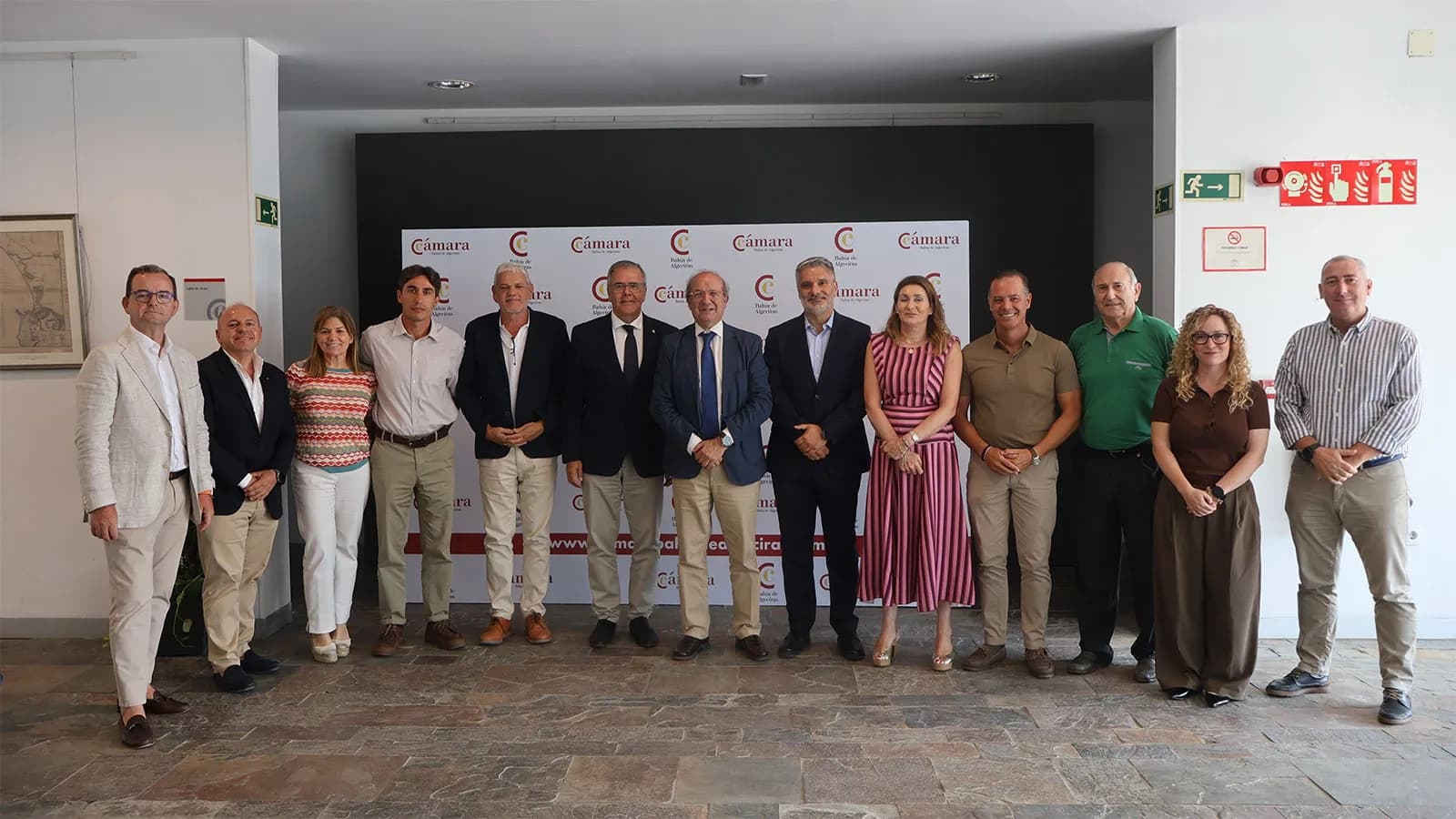
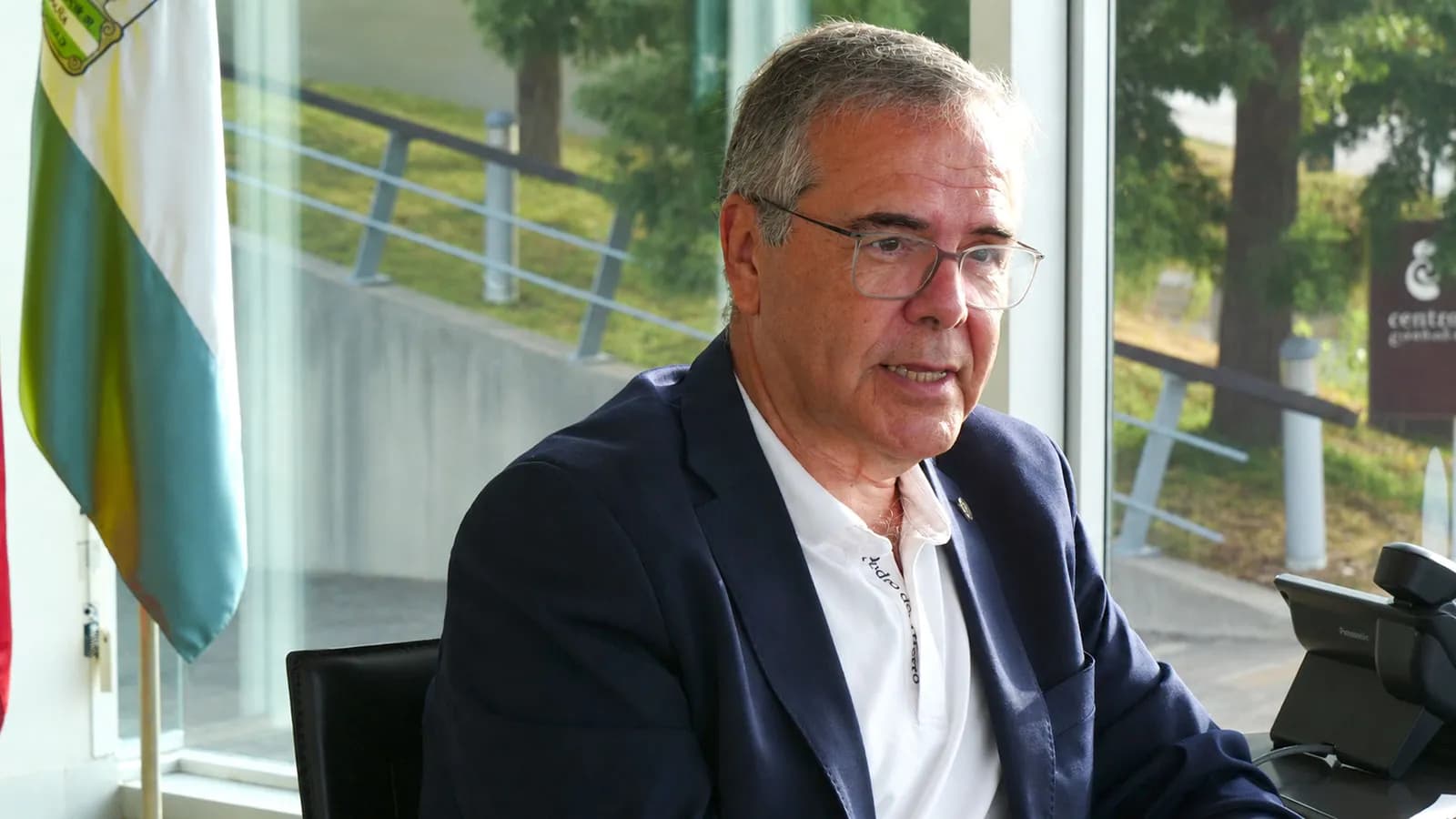
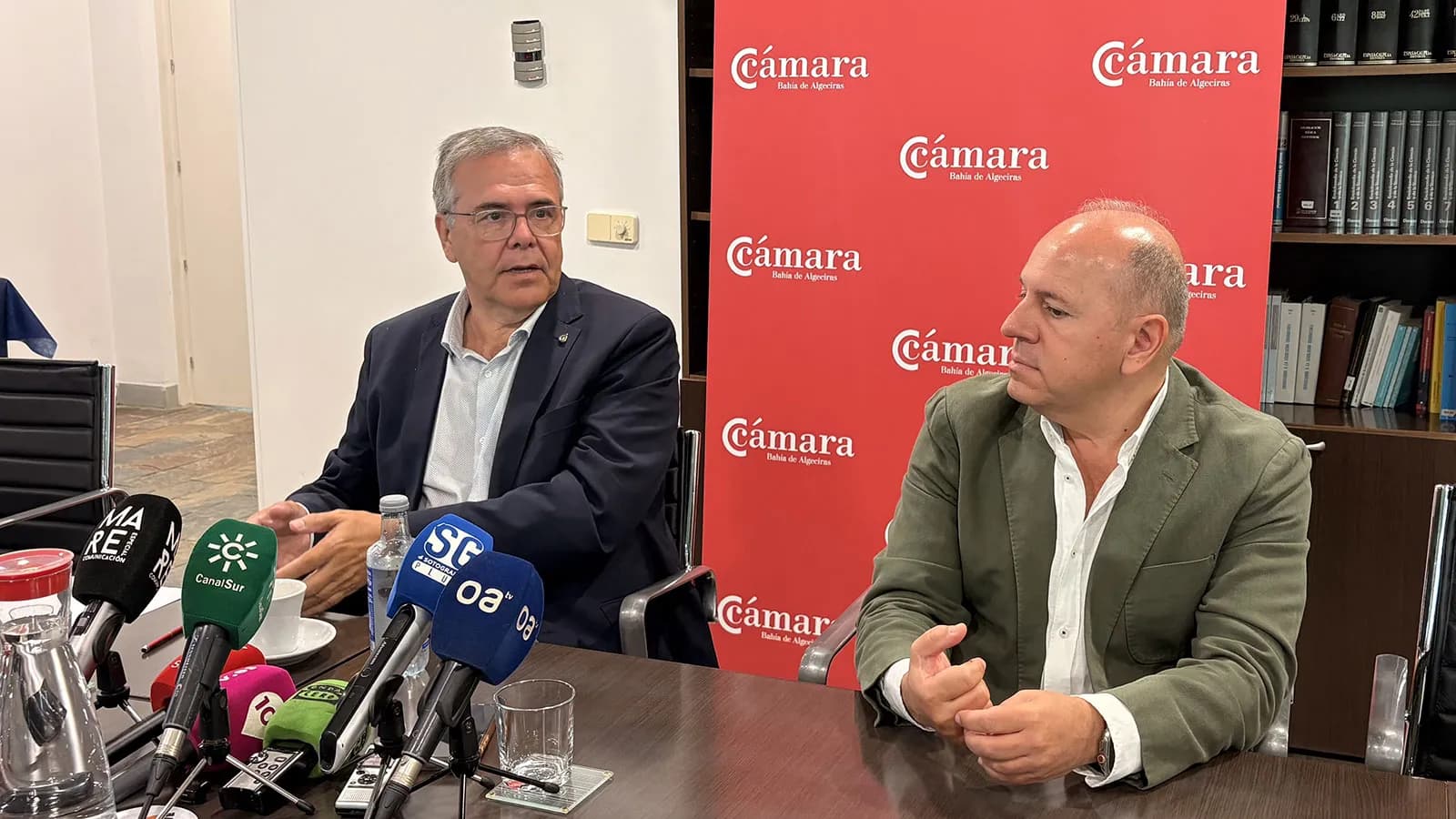
The Chamber of Commerce of the Bay of Algeciras has conveyed the main economic and business needs of the Campo de Gibraltar to the European Commission during a meeting held this Monday at its headquarters. The meeting was attended by Daniel Calleja, representative of the European Commission in Spain, invited by the president of the chamber, Carlos Fenoy Rico.
The meeting served to analyze the execution of community funds in the region, the status of infrastructure, the training needs of companies, the development of projects linked to renewable energies, and the existing differences in access to certain public aid.
Alongside Fenoy, members of the Chamber's plenary belonging to Preventor, Permotor, Carrillo Dávila, and Howden Iberia participated. Representatives from Acerinox, AGI, Moeve, EDP, and the Association of Freight Forwarders of the Bay of Algeciras, Ateia, also attended, in addition to the president of the Commonwealth of Municipalities of the Campo de Gibraltar.
During his speech, the president of the Chamber presented the institution's results in managing European programs. In the Operational Program 2014-2020, the entity executed more than 10 million euros over seven years on initiatives related to innovation, digitalization, entrepreneurship, internationalization, training, and employment.
In the current community period 2021-2027, and after two years of effective execution, the Chamber has managed over 5.2 million euros. This amount represents 52% of all executed during the seven years of the previous program, with an annual rate 82% higher, according to data provided by the institution.
In the field of entrepreneurship and business creation, the amount processed during the first two years of the new program already exceeds the total registered in the 2014-2020 period. Furthermore, in three of the four work areas —innovation and digitalization, business creation, internationalization, and training and employment— more than half of the execution corresponding to the previous framework has been achieved.
Fenoy has defended the role of chambers of commerce as entities responsible for transferring European policies to the local productive fabric. In this regard, he has requested to maintain collaboration between the European Commission, public administrations, and chamber institutions to facilitate access for small and medium-sized enterprises to community programs.
The Chamber has also highlighted the economic and geopolitical changes that have affected the Campo de Gibraltar over the last decade. Among them are the departure of the United Kingdom from the European Union, which has turned the region into the main land border between both parties, and the industrial and logistics growth in northern Morocco.
These factors are compounded by the transformation of the energy model, the reorganization of international supply chains, and the new European industrial policy aimed at reducing external dependencies in sectors considered strategic.
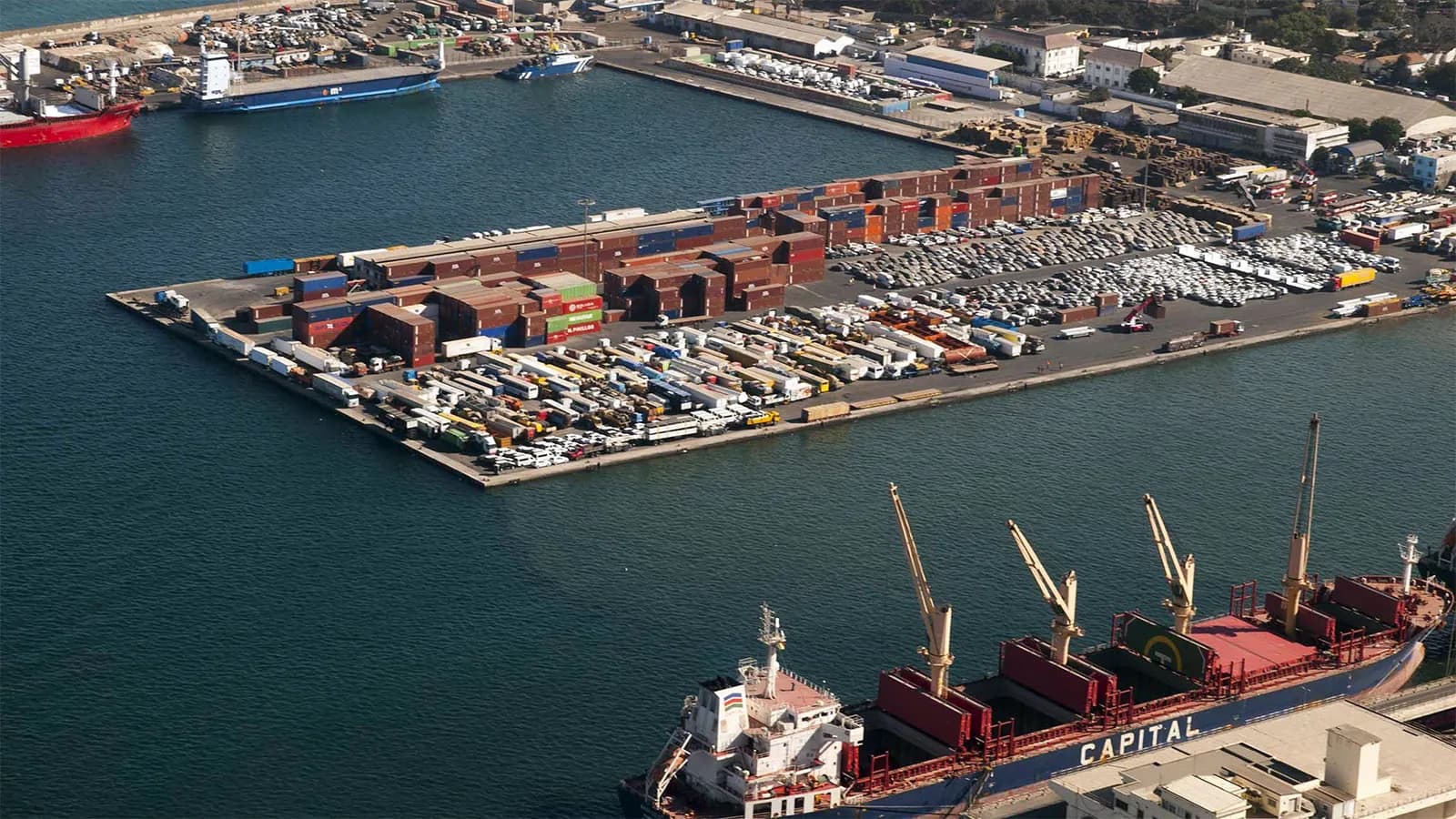
The chamber institution has pointed out that the Campo de Gibraltar hosts one of the main port, industrial, and energy complexes in Spain. It has also recalled that Algeciras is part of the Trans-European Transport Network and constitutes the starting point for two priority rail corridors of the European Union, in addition to the future railway highway between Algeciras and Zaragoza.
Among the proposals presented to Daniel Calleja, the Chamber has suggested the creation of a Special Economic Zone for the Campo de Gibraltar. The initiative aims to establish a specific instrument to facilitate the arrival of industrial investments, the implementation of new activities, the development of energy projects, specialized logistics, and job creation.
Fenoy has argued that four different economic models coexist in a small geographical space. Gibraltar has its own regime, Ceuta has a specific tax system, and the Tangier Med area operates with incentives linked to a state strategy for industrial and logistics development. In contrast to these territories, the Campo de Gibraltar lacks a differentiated economic mechanism.
The president of the Chamber has clarified that the proposal must comply with community regulations on state aid, competition, and the internal market. The request made to the Commission consists of opening a technical process to study formulas applied in other member states and analyze their possible adaptation to the region.
After the initial presentation, business representatives conveyed their proposals to the community official. Acerinox, AGI, Moeve, and EDP addressed the shortcomings of infrastructure, the availability of qualified personnel, and the needs associated with renewable energy and industrial transformation projects.
For its part, Ateia focused its intervention on the logistics and freight forwarding sector. The association warned of the existing differences between the aids available for certain entities and the access possibilities for companies engaged in transport organization and foreign trade.
The Chamber has requested that the European Commission analyze the needs of southern Europe and assess the role of the Campo de Gibraltar within community logistical, industrial, and energy networks. Fenoy has proposed to hold new meetings to study instruments compatible with European law and adapted to the economic characteristics of the area.
The meeting also served to present to the Commission the results obtained through the European Regional Development Fund and the European Social Fund Plus. The chamber institution believes that the execution recorded during the early years of the current budgetary period allows for greater collaboration in programs aimed at businesses, self-employed individuals, and new business projects.