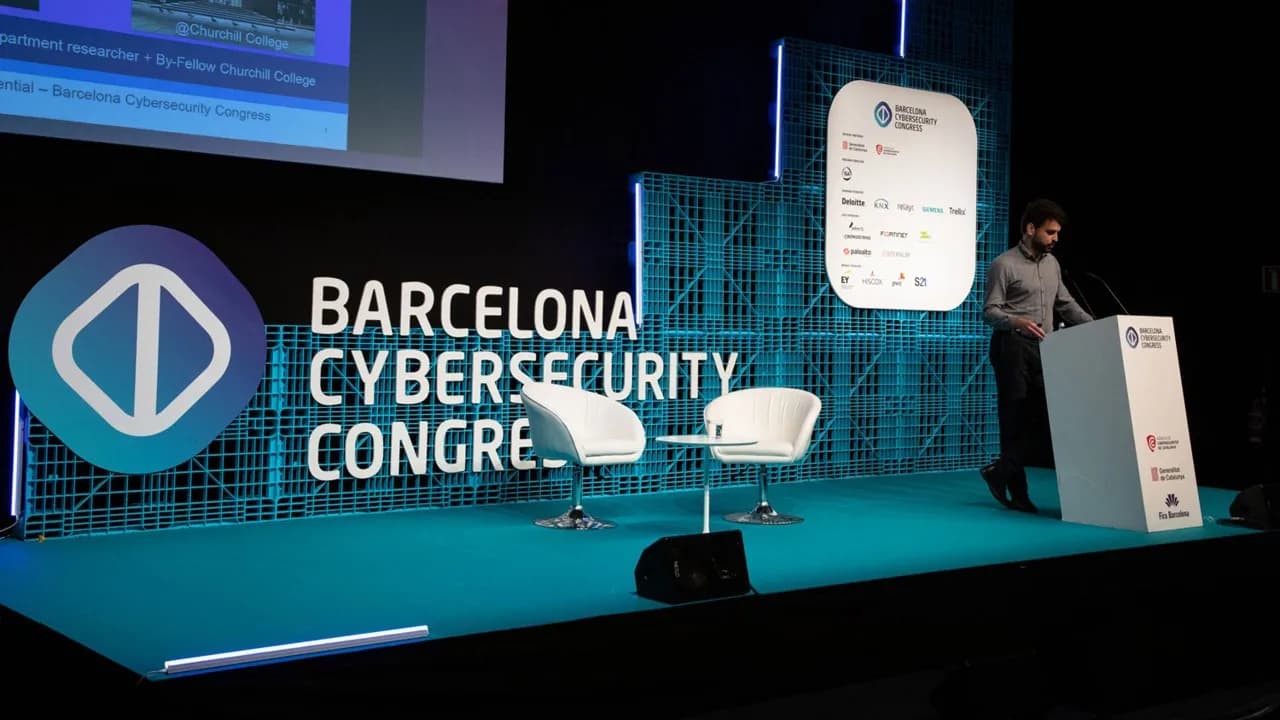
The Port Authority of the Bay of Algeciras (APBA) took part in the Barcelona Smart Transportation & Maritime Cyber Resilience Forum, held on November 4 as part of the Barcelona Cybersecurity Congress (BCC26), where it outlined the main cybersecurity challenges associated with the digitalization of port operations and the growing interconnection between the various players in the logistics chain.
The event, held at the Fira de Barcelona Gran Via venue, brought together representatives from the transport and maritime sectors, port authorities and companies specializing in information security to examine emerging threats, the protection of technological systems and the operational continuity of essential services. The event was organized by LSEC – Leaders in Security, with the support of the European initiative ACTI-X.
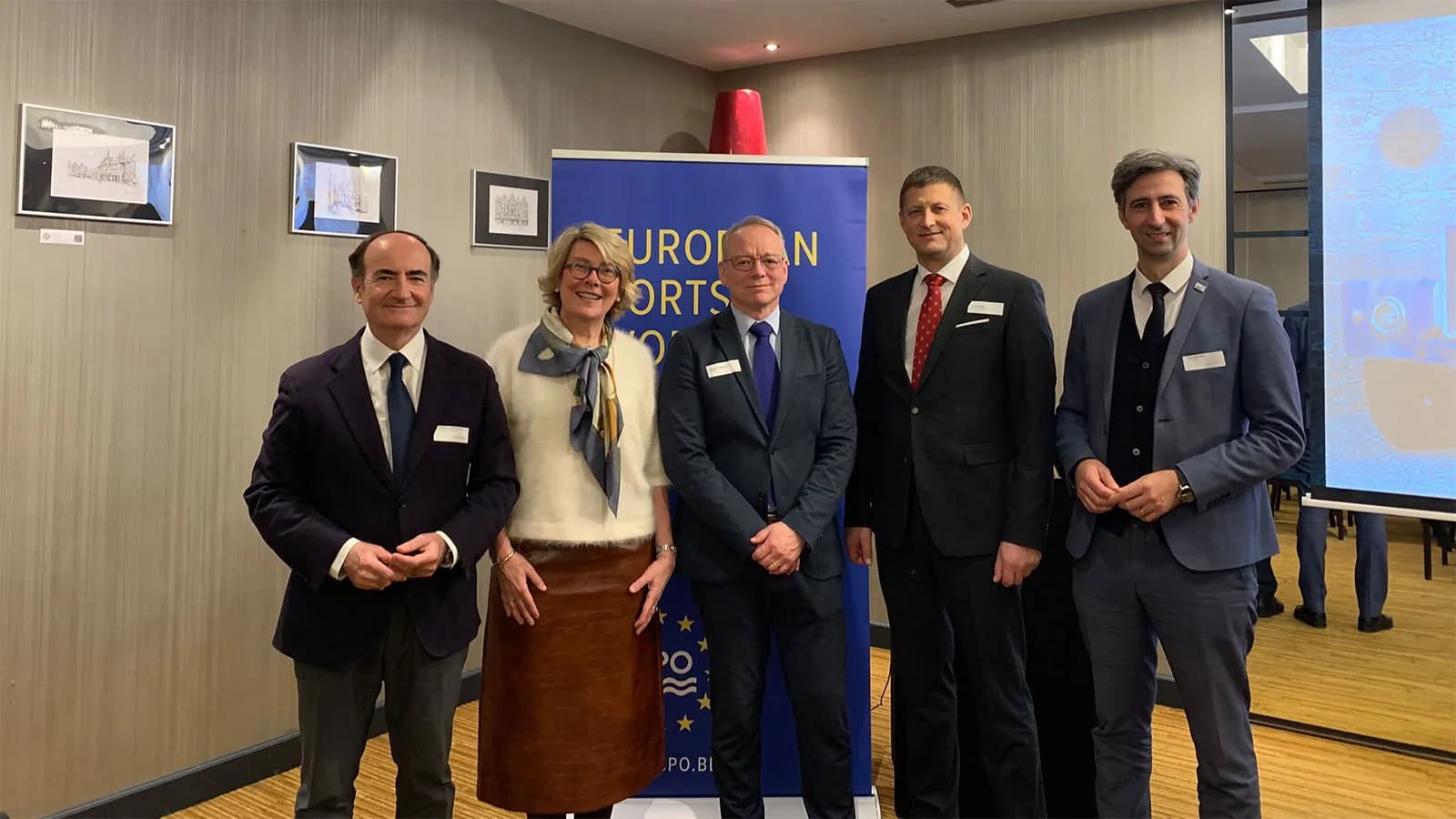
The Port of Algeciras was represented by Alejandro Manuel Herrera Pérez, Chief Information Security Officer (CISO) in the APBA’s Technology Development Area, who took part in the panel discussion From port to aircraft and across supply chain – Common cybersecurity and CTI challenges, dedicated to shared cybersecurity challenges and the exchange of threat intelligence across supply chains.
The discussion was moderated by Ulrich Seldeslachts, CEO of LSEC – Leaders in Security, and also featured Nick Saharan, president of CSAFI.ORG, and Vincent Rigal, head of Amadeus’s Application Security Operations Centers.
During his presentation, Herrera explained that the transformation of the Port of Algeciras into a smart, interconnected port ecosystem entails new digital protection requirements, particularly because of differences in the levels of technological and cybersecurity maturity among the companies and organizations that make up the port community.
In this context, the APBA representative noted that the institution’s protection strategy includes continuously reviewing its exposure to potential threats, as well as cooperating with port operators, shipping companies, logistics firms, public administrations and security forces to facilitate incident detection and response.
This approach envisages a shift from individual protection models to a collective cyber resilience system, based on sharing threat information, a common understanding of vulnerabilities and coordination among the various members of the logistics and port ecosystem.
The panel also examined the risks associated with the growing technological dependence of international supply chains and the convergence of information technology (IT) systems and operational technology (OT) environments, which are used to manage processes and infrastructure.
Topics discussed included the potential consequences of cyberattacks and hybrid threats for port activity, including disruptions to maritime traffic, vessel waiting times, and the loading and unloading of cargo and passengers.
The use of artificial intelligence in cybersecurity was another topic discussed. Participants examined both its use in developing cyberattacks and its potential to identify threats and improve defense and response mechanisms.
The discussion also covered the ability of critical infrastructure to maintain its services during crises and the need for coordinated incident response procedures for situations that could jeopardize operational continuity.
In the other sessions, specialists examined the increase in cyberattacks and the incident reporting obligations set out for entities deemed essential or important under the European NIS2 Directive, as well as the requirements arising from its transposition into national law.
The program also covered coordination between European and regional institutions, the digital protection of public administrations, and the development of threat intelligence-sharing platforms funded by EU funds. These tools make it possible to share information about detected incidents and help other organizations identify them.
The Barcelona Cybersecurity Congress held its seventh edition from November 3 to 5, with 112 exhibiting companies, more than 150 international experts and over 6,900 visitors in attendance. Participating companies included EY, Fortinet, Cisco, SoSafe, Mastercard, Sophos, ClearSkies, Sirt, TrendAI, ThreatLocker and Telefónica, which presented technological solutions for preventing, detecting and responding to cyber threats.