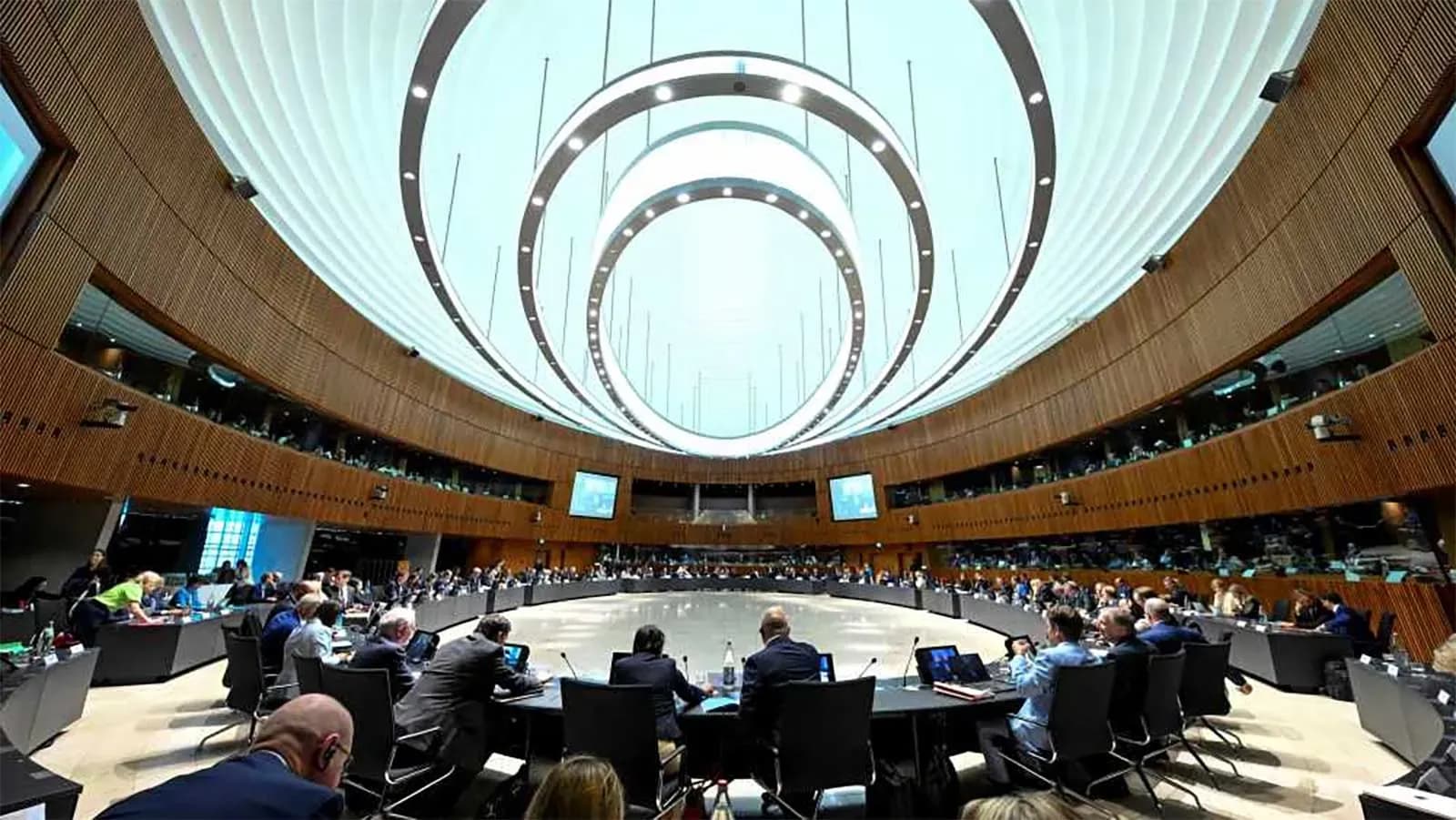
The member states of the European Union have adopted Council Conclusions on the EU Port Strategy, a document that reaffirms the role of ports as strategic assets for European autonomy, the security of supply chains, energy transition, and Europe's position in international maritime transport. The text has been approved within the framework of the Transport Council and establishes the main political guidelines for the development of the future community port strategy.
The initiative stems from the Communication presented by the European Commission on March 4, 2026, which proposed an EU Port Strategy aimed at improving the competitiveness, resilience, security, and sustainability of European ports. The approach covers both maritime and inland ports and is based on the community port policy of 2013, although adapted to a context marked by geopolitical, economic, technological, and environmental changes.
The Minister of Transport, Communications and Public Works of Cyprus, Alexis Vafeades, has stated that European ports are "much more than gateways for trade" and has defined them as strategic assets for the economy, security, and energy supply. He indicated that the Conclusions convey the need for competitive, resilient ports that are prepared for future challenges, through actions in security, energy transition, innovation, and investment.
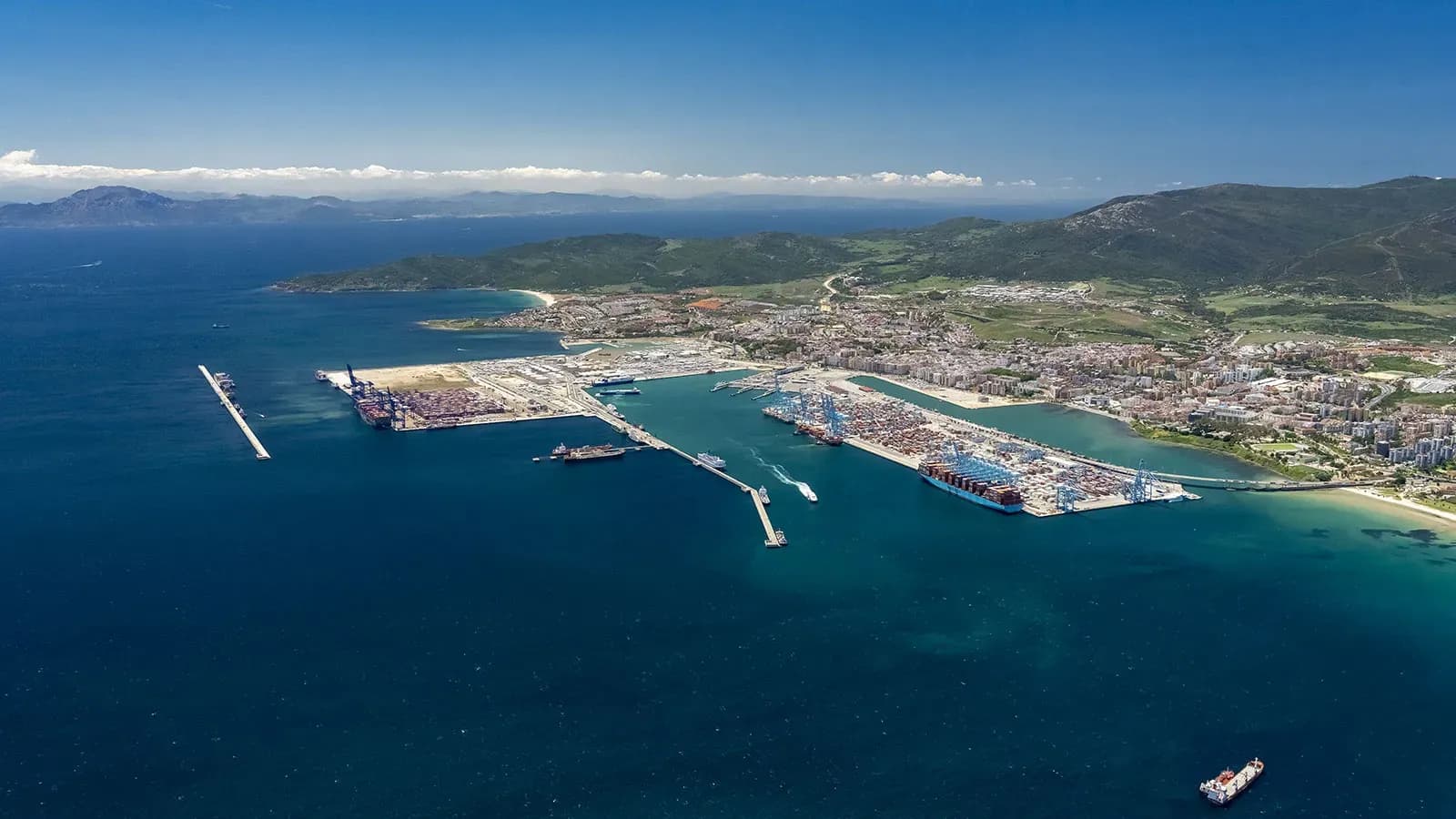
The Council emphasizes that ports have become multifunctional industrial centers, while maintaining their traditional role as nodes of trade, mobility, and energy. This transformation requires expanding capacities, decarbonizing operations, digitizing processes, and improving safety levels, while respecting the national, regional, and local particularities of the different European port models.
One of the main axes of the document is competitiveness. The member states remind that maritime trade operates in a global environment and that European ports compete with facilities located in third countries. Therefore, they call for addressing the distortions arising from regulatory asymmetries, unfair competitive practices, and certain behaviors of non-community countries. They also request that efforts be made to ensure fair access conditions to the market for European operators in the port markets of third countries, in balanced and non-discriminatory terms.
The Conclusions also address the evaluation of foreign investments in European ports. The Council welcomes the Commission's intention to develop guidelines in this area, although it insists that EU ports must continue to be attractive destinations for investment. The member states believe that investment control must be based on risk criteria, proportionality, and non-discrimination, with special attention to economic security and the prevention of undue control over critical port infrastructure and operations.
Security and resilience occupy another central section of the text. The Council warns that ports face a more complex threat environment, which includes terrorism, sabotage, organized crime, corruption, cyberattacks, hybrid threats, and risks associated with the use of drones. In this context, the member states support both present and future initiatives aimed at protecting port infrastructure, including the European Ports Alliance, cooperation with international partners and third countries, and the future proposal of a community framework that facilitates cooperation among member states regarding background checks of port workers.
The document also places importance on military mobility. Ports are considered essential nodes for the movement of military personnel and equipment, thus linking their role directly to European defense preparedness. The member states indicate that the application of the Port Strategy must be aligned with work on military mobility and with activities carried out within NATO.
In energy matters, the Council recognizes the role of ports as key centers for the European energy transition. The Conclusions call for greater support for electricity supply in port, smart grids, electrification, and network integration, as long as investments are economically viable and respond to actual demand. The member states also consider it necessary to expedite the deployment of networks, the procedures for granting permits, and investments in clean energy technologies.
The text encourages the use of revenues from the EU emissions trading system to support maritime decarbonization throughout the entire value chain, including maritime transport, port infrastructure, and alternative fuels. At the same time, the Council acknowledges the existing concern about the effects of the EU ETS and other climate legislation on the competitiveness of European ports, particularly due to the risks of traffic diversion, carbon leakage, and relocation of investments. Therefore, it invites the Commission to continue monitoring these effects and to propose specific corrective measures when necessary, without deviating from the Union's climate objectives or the coordination with international frameworks.
Financing constitutes another priority of the document. The member states call for improving access to European funds through greater transparency, enhanced coordination, and simplified procedures. They also indicate that financing mechanisms should avoid unnecessary administrative burdens and remain neutral with respect to governance structures, concession models, and operational agreements of ports.
The Council also incorporates a social dimension into the port debate. The Conclusions recognize the contribution of ports to economic development, resilience, and territorial cohesion, especially in island, remote, outermost, and coastal regions. In this area, the importance of ensuring safe working conditions and investing in training, education, and professional development to accompany the technological transformation of the sector is highlighted. There is also a need to attract women and young people to maritime and port careers.
According to the data collected in the document, ports manage around 74% of the goods that enter or leave the European Union and about 395 million passengers each year. Furthermore, the future strategy will be applied to a network made up of 283 maritime ports and 223 inland ports integrated into the trans-European transport network. With these Conclusions, the member states set a common position to organize the upcoming community initiatives in an area considered essential for the economy, security, energy, and European connectivity.