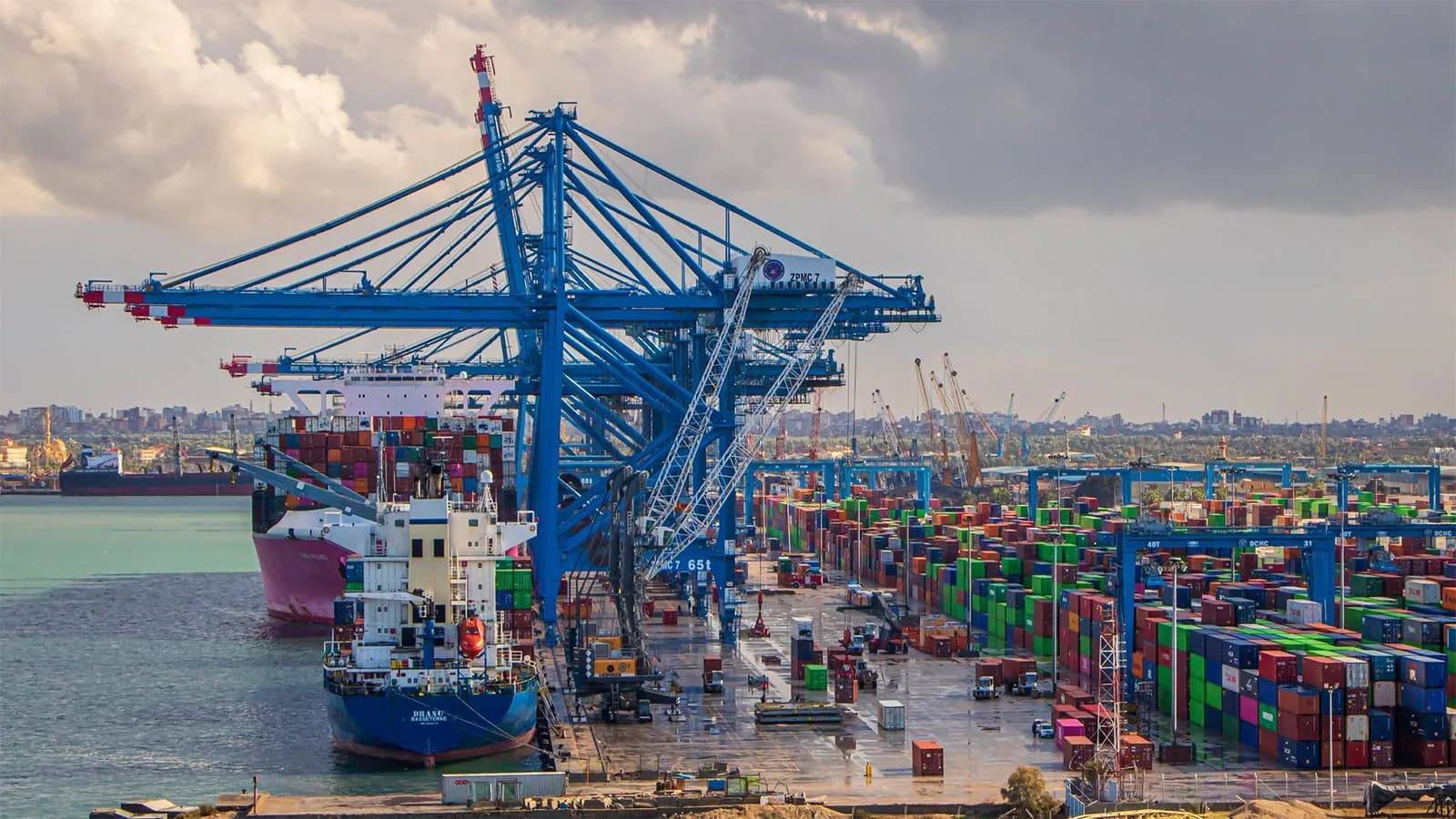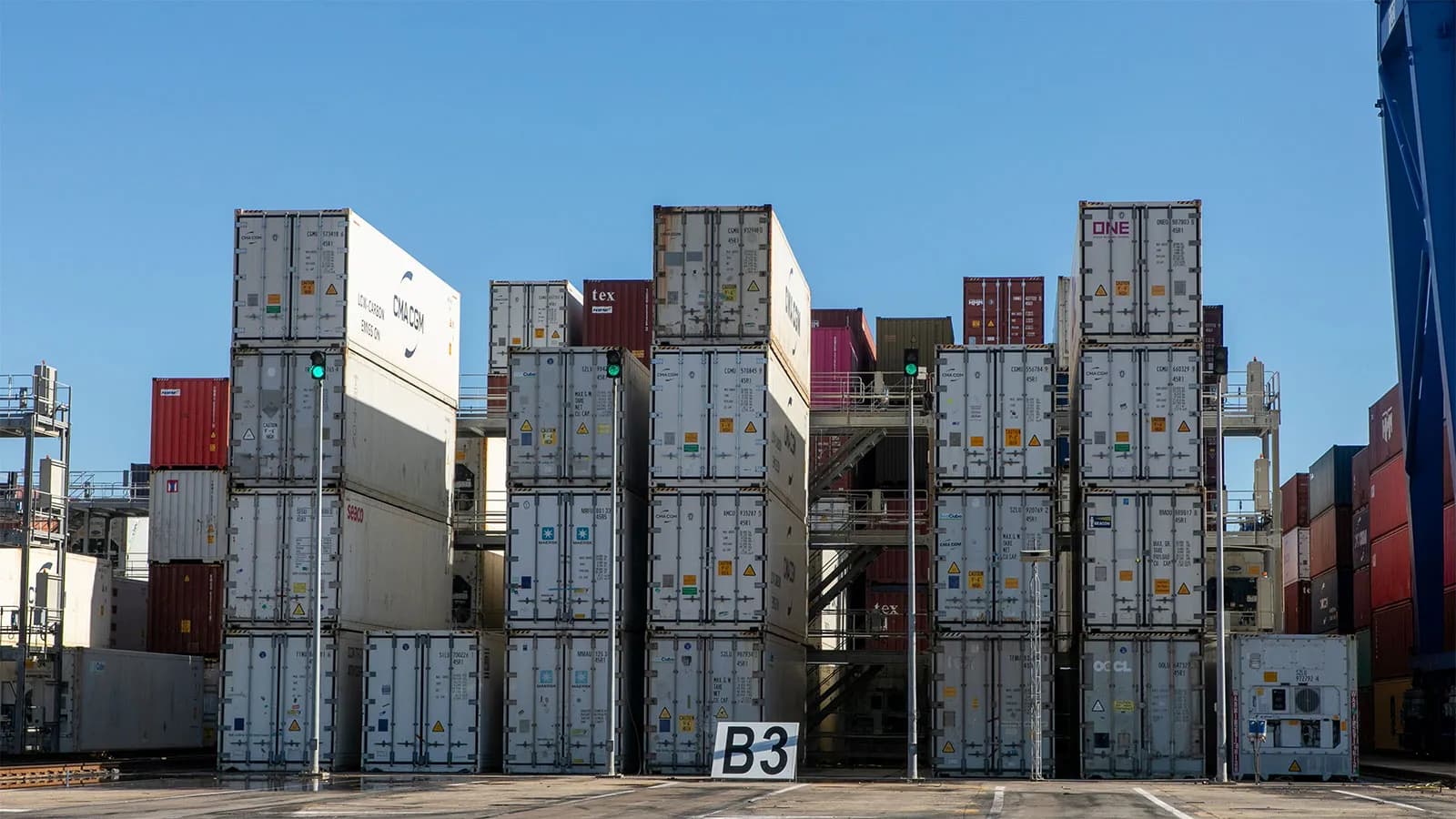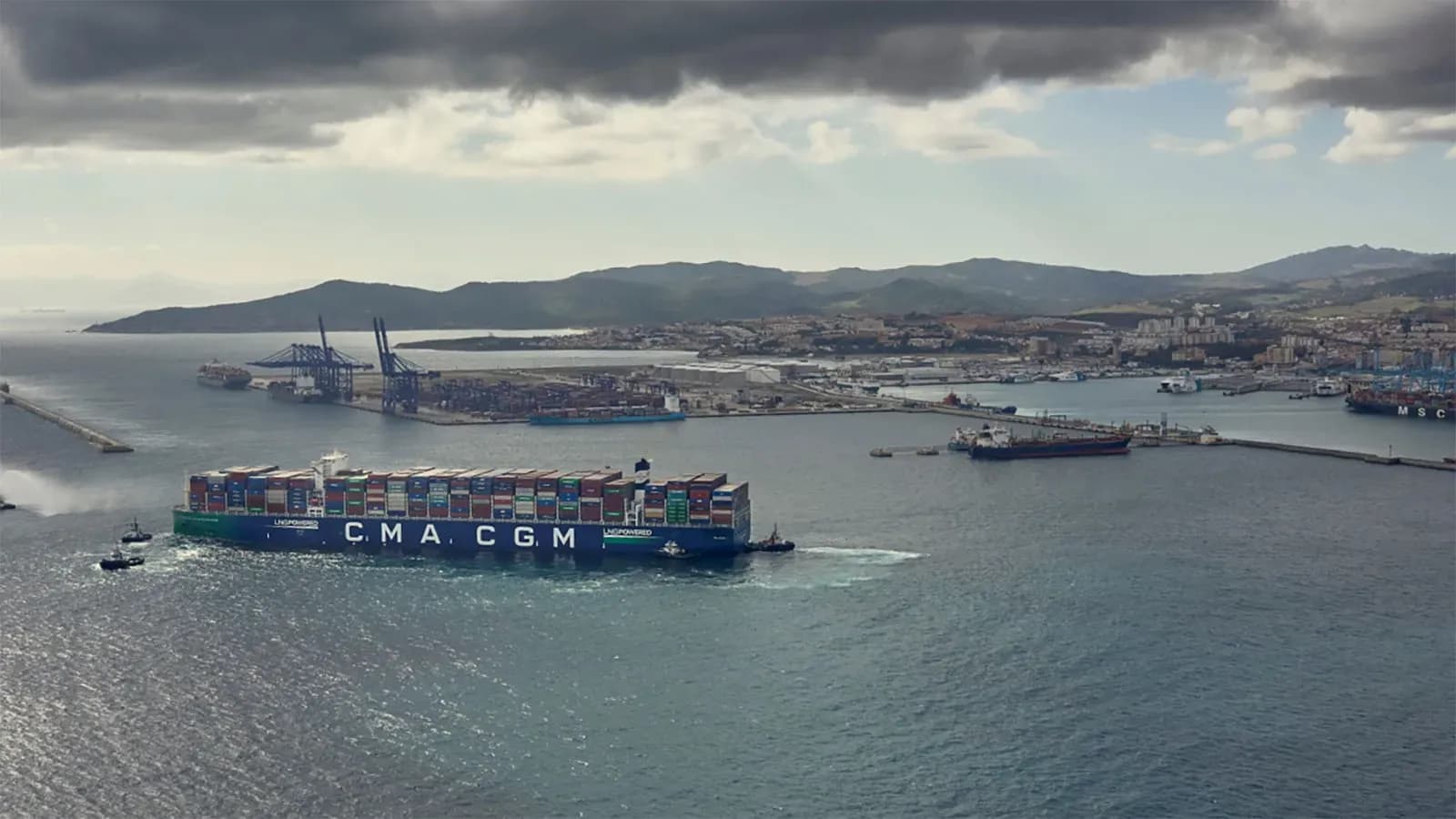
The European Sea Ports Organization (ESPO) has launched an appeal to the European Commission to ensure that the ongoing review of the EU-ETS Directive (2003/87/EC) corrects the negative effects that the emissions trading system applied to maritime transport is generating on the competitiveness of European ports and on the very decarbonization objectives themselves.
The European Commission is currently working on finalizing a proposal to revise the directive, which was extended to the maritime sector in January 2024. Since 2021, when the proposal for the maritime EU-ETS was presented, European ports have been calling for an evaluation and addressing of the negative impact arising from the system's limited regional scope, which imposes a 100% levy on journeys between ports in the European Union and 50% on calls entering and leaving European ports.
According to ESPO, the first and main effect is felt in the large transshipment ports of the Mediterranean, but there are also clear examples of changes in the order of calls in other parts of Europe, resulting in a loss of direct connectivity with Asia, among other markets. In addition to the loss of calls and connectivity, the affected ports are experiencing an impact on investments in terminal capacity, while capacity in EU neighboring countries is growing sharply and rapidly to the detriment of community ports.
Isabelle Ryckbost, Secretary General of ESPO, stated: "The European Commission and policymakers in Europe must finally learn the lessons from these first years of application. It is time to act. European ports are key to achieving energy transition, energy security, and military preparedness objectives for Europe. We cannot continue to accept a policy that generates carbon leakage and threatens to destroy the economic strength and competitiveness of strategically located ports that we need to achieve European ambitions in terms of geopolitical and geoeconomic resilience, energy transition, and security."