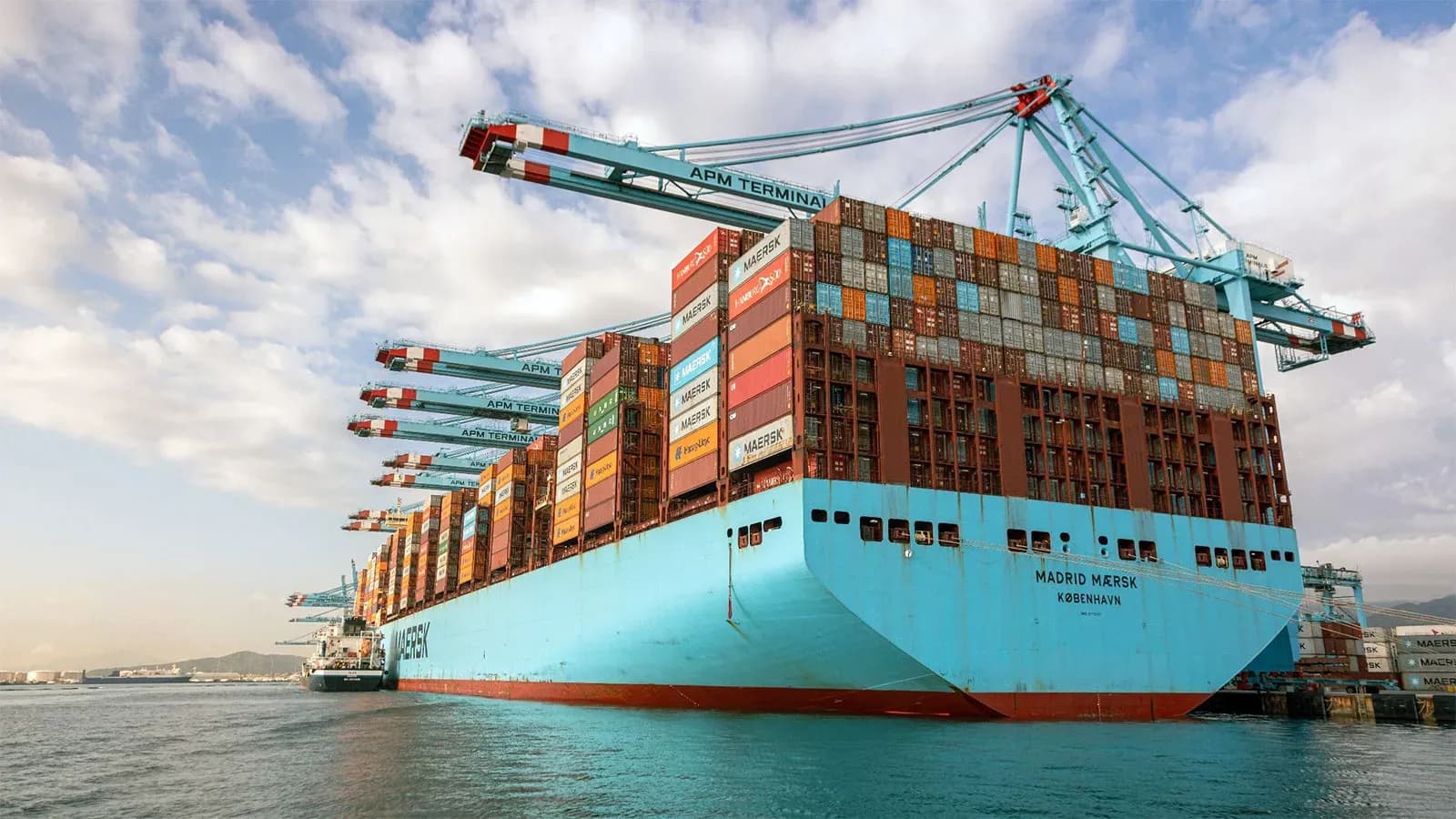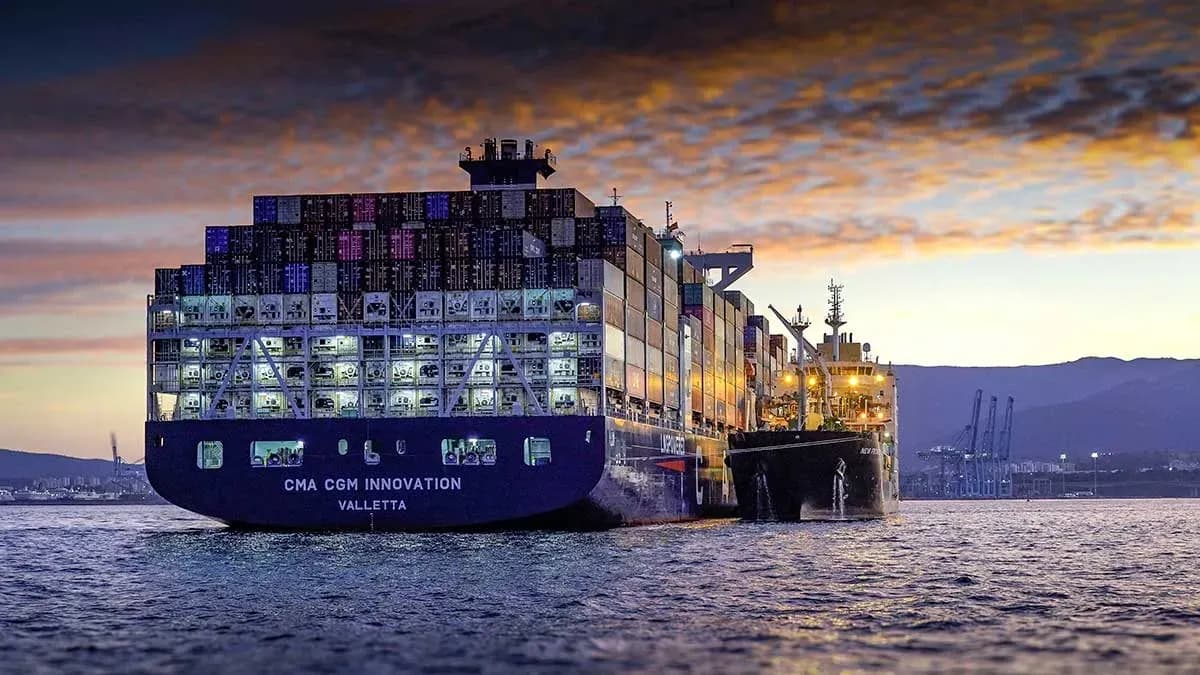
The Port of Algeciras supplied vessels during 2025 a total of 333,833 cubic meters of Liquefied Natural Gas (LNG), solidifying its position as a leading Green Energy Hub in Southern Europe. With 78 replenishment operations carried out in STS (ship to ship) mode, the supply of this transitional fuel in the Bay of Algeciras places the Camp Gibraltar dock at the forefront of the peninsula ports and in third place at the European level, only behind Rotterdam and Marseille Fos, according to data provided by GASNAM.
Of the total volume supplied, about 16% corresponded to liquefied biomethane (bioLNG) from renewable sources, with a total of 51,923 cubic meters. This figure positions the Port of Algeciras as the largest international supply point for this type of sustainable fuel.
The volume of bioLNG supplied represents a reduction in greenhouse gas emissions equivalent to the annual capture of 9,000 mature trees, as well as the practical elimination of other emissions such as SO₂, NO₂, and particulates. GASNAM points out that the 2025 data place the Iberian Peninsula as a pioneer in the offer of green molecules, allowing shipping companies to immediately reduce their CO₂ emissions.
This advance has been made possible by the commitment to bioLNG by the three operators authorized by the APBA to carry out this type of operation in the Bay: Axpo, Shell, and Peninsula. The investment by Enagás, through its subsidiary Scale Green Energy, in the necessary infrastructure for the supply of LNG and bioLNG has also contributed. In this way, the system makes effective connection possible between the production of biogas within the peninsula, reusing urban and agricultural waste, with the growing demand from the maritime sector derived from European regulation (ETS and FuelEU).